Leo Perutz
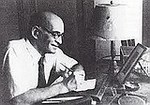
Leo Perutz
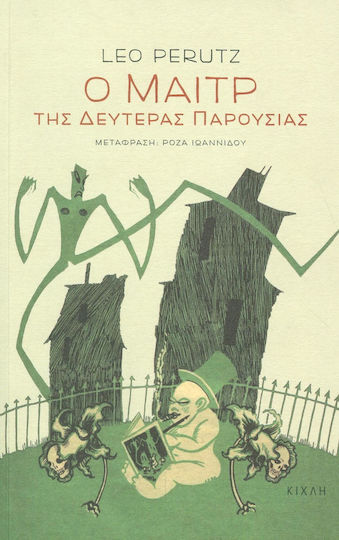
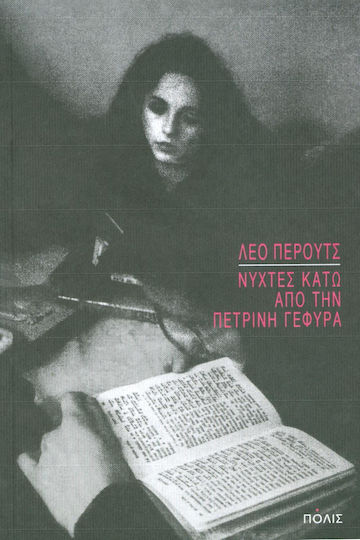
Leo Perutz (1882-1957) was born in Prague to affluent Jewish parents. He attended German-language high schools in Prague, Krumlov, and later Vienna, where his family settled in 1901. He worked in insurance companies from 1907 to 1923, after which he dedicated himself to literature. A regular at the famous Viennese literary cafes, he mingled daily with many writers and artists. During the interwar period, Perutz was a particularly popular author. His novels gained widespread acclaim, were translated into various languages, and some were adapted for film and theater: "The Third Bullet" (1915), "Between Nine and Nine" (1918), "The Marquis of Bolibar" (1920), "Where Are You Going, My Little Apple?" (1928), "St. Peter's Snow" (1933), "The Swedish Cavalier" (1936), among others. "The Master of the Day of Judgment" (1923) received rave reviews, but due to its detective plot, it was classified by critics as quality entertainment literature. Perutz's reaction was notable when Walter Benjamin recommended "The Master of the Day of Judgment" to travelers as an enjoyable detective read: "I never wrote a detective novel." In 1938, after the annexation of Austria by Nazi Germany, Perutz emigrated to Israel, where he lived until the end of his life. From 1950 onwards, however, he regularly visited Austria. In 1953, the novel "Night Under the Stone Bridge" was published, and in 1959, two years after his death in the Austrian resort of Bad Ischl, "Leonardo's Judas" was released. Hilde Spiel wrote in her obituary for Perutz: "A remnant of the great old Austria has faded away." During the 1980s, a radical reassessment of his work by critics reignited interest among the reading public.
0
0