Jean - Paul Sartre
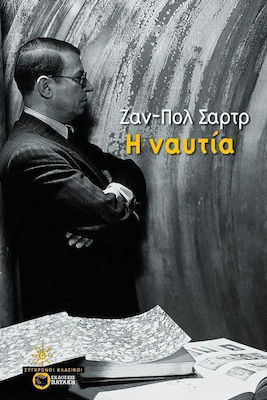
Jean-Paul Sartre was born in Paris on June 21, 1905. He studied at the Ecole Normale Superieure and taught in high schools from 1931 to 1944. Deeply influenced by Husserl's phenomenology and Heidegger's ontology, he developed an existentialist theory initially focused on the relationship between humans and freedom (Being and Nothingness) and later on dialectical materialism and his concept of commitment (Critique of Dialectical Reason). He expanded his ideas in novels (Nausea, The Roads to Freedom), plays (No Exit, Dirty Hands, The Devil and the Good Lord, Kean, Nekrassov, The Condemned of Altona), short stories (The Wall), articles, and critical essays (Situations, Saint Genet, Actor and Martyr), an autobiographical narrative (The Words), and a study on Flaubert (The Family Idiot). In 1945, he founded the political and literary review "Les Temps Modernes" together with Simone de Beauvoir and Maurice Merleau-Ponty. In 1964, he was awarded the Nobel Prize, which he declined to accept. Sartre had a unique ability to resonate with the issues of his time and engaged in intense political activity (active participation against the Vietnam War, member of the "Russell Tribunal," involvement in May '68, leadership of leftist newspapers "La Cause du Peuple," "La Liberation"). He passed away in Paris on April 15, 1980.



 Greek Fiction Books