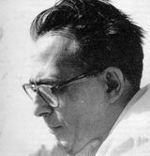
Renos I. Apostolidis
Renos Apostolidis (1924-2004). Renos Apostolidis was born in Athens, the son of journalist Heracles Apostolidis, who was the editor-in-chief of several Athenian newspapers, director of the Pyrsos Encyclopedia, and director of the National Library (1945-1959), and Elpiniki, née Zambeli. He completed elementary school in 1935 and graduated from Varvakeio High School in 1941, where he organized a student strike on October 28, 1941. During the German occupation, he remained unaffiliated. He studied in the Department of History and Archaeology at the University of Athens, graduating in 1950. While still a student during the Civil War, he served as a soldier on the state front. Immediately after graduating, he worked for eleven years as a teacher of ancient and modern Greek, history, and Latin in private Athenian high schools. He collaborated with the state foreign press office, the Directorate of Foreign Press, the General Directorate of Press of the Ministry of the Presidency, and the National Radio Foundation. In 1960, he was awarded the prose prize by the Ministry of Education for his work "Stories from the Southern Coasts." He made his literary debut in 1944 with the publication of his essay "Kairos" in the magazine "Grammata" and the release of his work "Three Stations of a Journey" a year later. He contributed to many newspapers and magazines in the capital as a writer ("Eleftheria," "Niki," "Eikones," "Gnoses," "Neoteron Lexikon Iliou," "Anexartitos Typos," etc.) and as a critic ("Grammata," "Foithtiki Foni," "Deltion tou Vivliou," "Kyklos," "Kochlias," "Nea Estia," "Neoi Rythmi," "Nees Eikones," "Ethnos," "Ethnikos Kirikas," etc.). From 1951, he took on the role of editor-in-chief and critic for the magazine "O Aionas Mas," and in 1959, he founded the magazine "Nea Ellinika" with his father, from which he expressed his critical stance against the literary generation of the '30s. In 1964, he was sentenced to two and a half years in prison—of which he served three months—for leading a group of far-right individuals into the Parliament. During the Papadopoulos dictatorship, he enforced the serialized publication of the "Anthology of Modern Greek Short Stories" in the newspapers of the time, which was discontinued by censorship due to his novella "O A2." After the dictatorship, he continued to critique from the pages of the magazine "Tetramina" until 1979. Renos Apostolidis belongs to the Greek prose writers of the post-war generation. A key feature of his work is the dominance of the author's intervention in the narrative flow and the expression of his personal opinion and perspective on the myth in a direct manner. The main source of his themes is the period of the German occupation and the Greek Civil War, historical events which he incorporates into his narratives, utilizing and commenting on them both to critique their negative impacts and to highlight the existential deadlock they lead his characters into. In his later works, he turns to his contemporary reality, while maintaining his view of the Civil War's precursor role in the post-war political and social changes in Greece. His works have been translated into Dutch, German, French, and other foreign languages. For more biographical details on Renos Apostolidis, see Vangelis Chatzivasileiou, "Renos Apostolidis," in "Post-War Prose; from the War of '40 to the Dictatorship of '67," vol. b΄, p. Athens: Sokolis, 1988, Chatzifotis I. M., "Apostolidis Renos," in "Great Encyclopedia of Modern Greek Literature," vol. 2, Athens: Hari Patsi, n.d., and n.p., "Apostolidis Renos," in "World Biographical Dictionary," vol. 1, Athens: Ekdotiki Athinon, 1983.
(Source: Archive of Greek Authors, EKEVI).


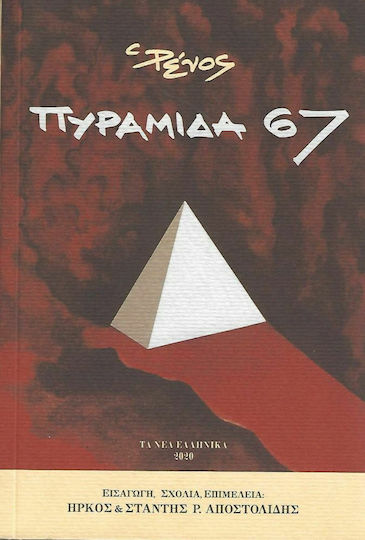
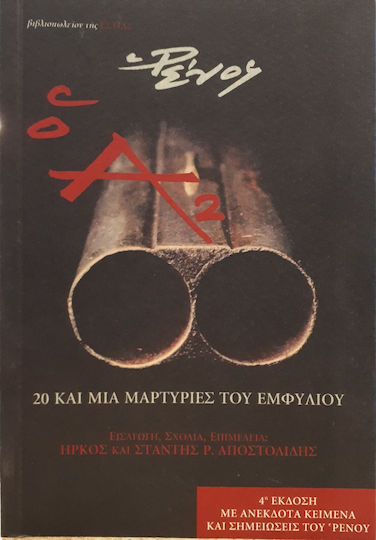 Greek Fiction Books
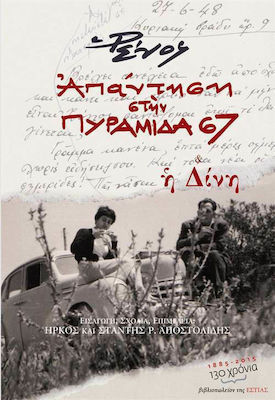 Greek Fiction Books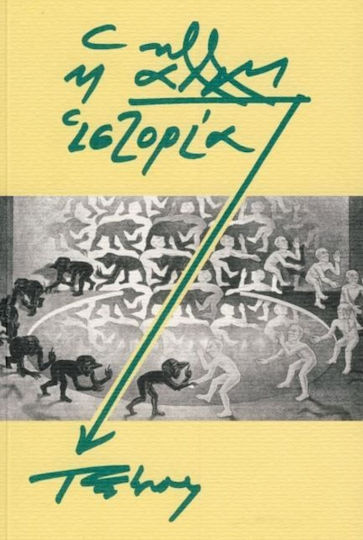
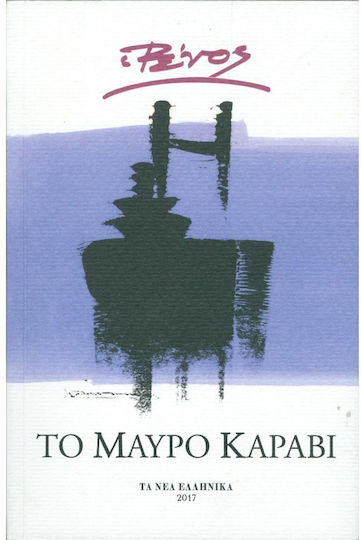
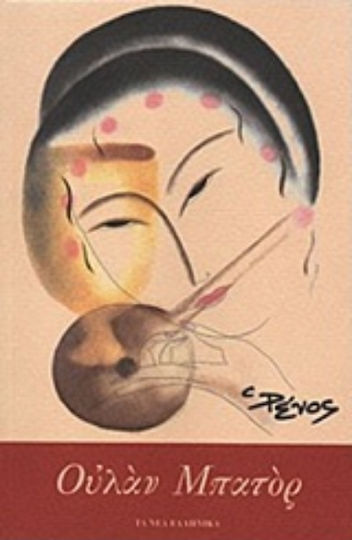
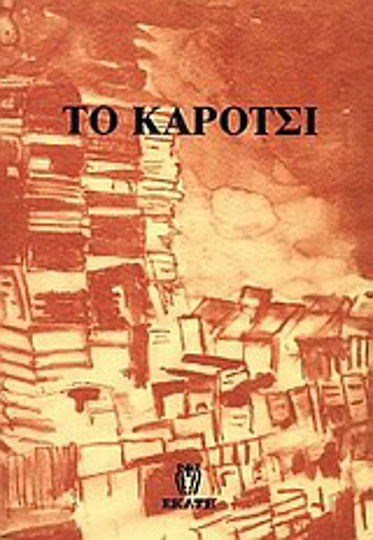 Greek Fiction Books