Plotinos
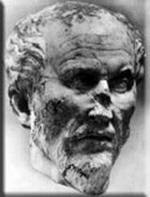
Plotinos
The philosopher Plotinus is the foremost representative of Neoplatonism. He was born between 204 and 205 AD in Egypt. He founded a philosophical school in Rome where not only professionals of the field taught, but also distinguished men. Plotinus placed less importance on the physical existence of humans and more on the power of the soul. According to his fundamental theory of the "three hypostases," the soul has a divine origin and divine nature. The soul breathes life into the unformed matter of the world, which includes human bodies. Therefore, for a person to ensure the eternity of their soul, they must dedicate it to the ultimate purpose of union with the Divine. However, if one forgets the nature of their soul and dedicates it entirely to serving material needs, becoming "bound" to the inferior worldly matter, the natural punishment will be death along with the body. Thus, the soul not only fails to be rewarded for sacrificing its original heavenly position to animate cosmic matter, but it is also punished due to its arrogant stance, having been captivated by the superficial charm of the material dimension. Plotinus did not shy away from adopting the Platonic view of the ideal state. This state is divided into three classes (people, guardians, rulers—with philosophers exclusively and necessarily playing the role of the latter), within which each individual would have a predetermined place in society and minimal opportunities for advancement. Plotinus gave a new dimension to philosophical thought. He defined the purpose of philosophy not only at the level of exercising human intellect and reasoning, as earlier philosophers had, but as a factor that would lead humanity to the salvation of eternity.


0