Giacomo Leopardi
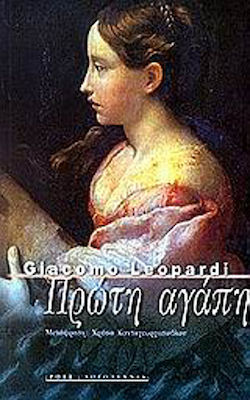
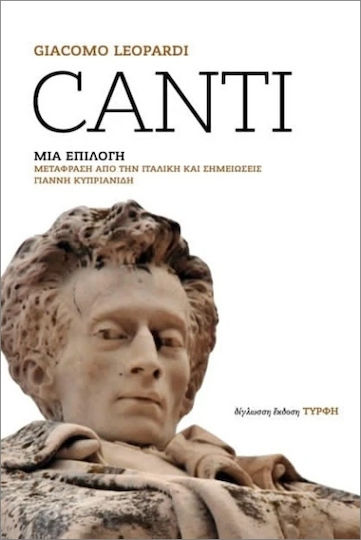
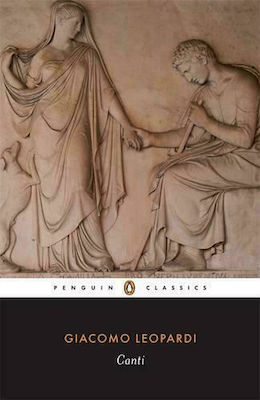
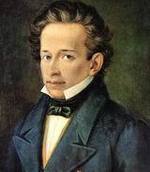
Giacomo Leopardi (Recanati, 1798 - Naples, 1837) is considered the most important Italian poet after Petrarch. A polymath, multilingual, philosopher, and classical scholar, he was a descendant of an old noble family of landowners who initially destined him for an ecclesiastical life. From his early youth, the ailing count was imbued with feelings of loneliness and pessimism. He found refuge in study and produced numerous works on scientific, philosophical, and literary subjects. He lived at various times in Rome, Milan, Bologna, Florence, and Naples. He felt like an exile in the world, which he himself called "the tomb of the living," and he marked the moral, intellectual, and political decline by opposing it with skepticism, irony, and devotion to his art. He died at the age of 39. Some of his works include: "The Death of Hector" (1809), "History of Astronomy" (1813), "Songs" (1816-1835), "Small Moral Works" (1820-1824), "The Dream" (1825), "Thoughts" (1832). He also translated Greek and Latin authors.