Prosper Mérimée

Prosper Mérimée
All Books
7 products
-

Greek Fiction Books
-

Non-Greek Fiction Books
-

All categories


 Non-Greek Fiction Books
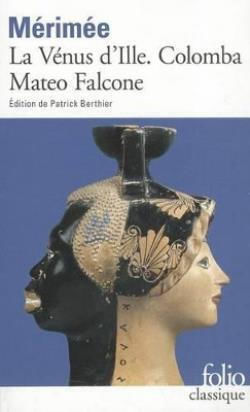
La Vénus D'ille - Colomba - Mateo Falcone
Prosper Mérimée, 1999
from4,03 € at 2 stores Greek Fiction Books
Οι Ψυχές στο Καθαρτήριο
Prosper Mérimée, Honoré de Balzac, 2022 , Unskillfully
from6,68 € at 3 stores
 Greek Fiction Books
Νουβέλες, Venus of il. Mateo Falcone. Tamango
Prosper Mérimée, 2011 , Papyrus Publishing Organization

 Non-Greek Fiction Books
A Slight Misunderstanding And Other Stories: Annotated Edition Prosper Merimee Alma Classics
Prosper Mérimée, 2025
from11,32 € at 2 stores
