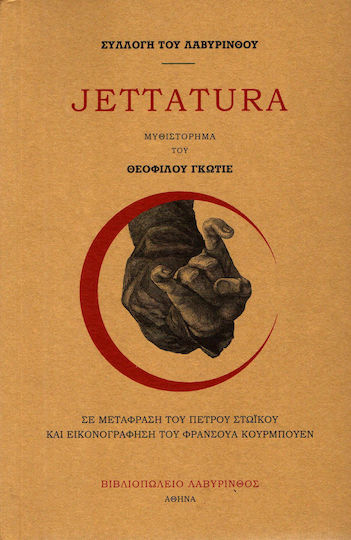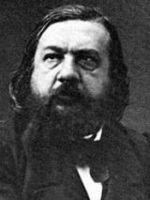
Théophile Gautier
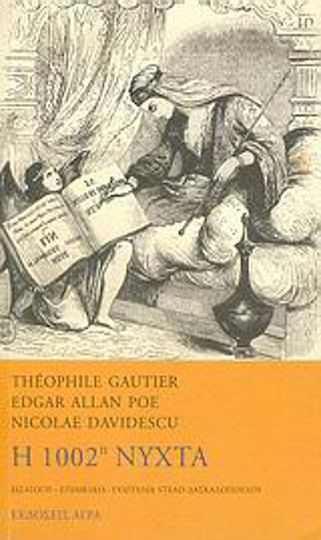
Pierre-Jules-Theophile Gautier was born in August 1811 in Tarbes, France, and passed away in October 1872. Although he did not complete his studies in philosophy, he initially pursued painting, which he quickly abandoned. Encouraged by Victor Hugo, he turned to literature. Notably, Honoré de Balzac recognized Gautier's talent in poetry early on. He worked as a journalist for the magazine "La Presse" and regularly contributed to the newspaper "Le Figaro." As part of his professional activities, he traveled to Constantinople in 1852, with stops in Athens and Syros. His works include "Poesies completes," "Les jeunes-France," "Mademoiselle de Maupin-Double Love," "La comedie de la mort" (The Comedy of Death), "Fortunio," "The Opium Pipe," "The Thousand and Second Night," "Les grotesques," "The Club of Assassins," "Partie carree," "Emaux et camees" (Enamels and Cameos), "Militona," "Jean et Jeanette," "Aria Markella," "The Romance of the Mummy," among others. He died suddenly in October 1872 and was buried in the Montmartre Cemetery in Paris.
 Greek Fiction Books
 Greek Fiction Books
 Greek Fiction Books