Aischylos
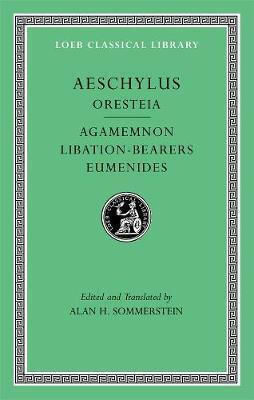
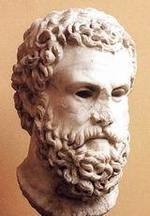
Aeschylus (525 - 455 BC) was a highly esteemed tragic poet of ancient Greece, possibly the greatest among his peers. He was also an architect, director, and musician. Of his 67 works, only 7 have survived: "Prometheus Bound," "The Suppliants," "The Persians," and "Seven Against Thebes," as well as the trilogy titled "The Oresteia," which includes the plays "Agamemnon," "The Libation Bearers," and "The Eumenides."
Aeschylus distinguished himself as a warrior at the battles of Marathon and Salamis. He received 13 first prizes for his works, in addition to several second and third prizes awarded to him in various competitions. With Aeschylus, ancient Greek tragedy evolved from its origins in the dithyramb to a complex, multi-character performance, reaching its zenith. His style is noted for its grandeur, and his body of work is celebrated for its depth, originality in form, and the powerful imagination of this great poet. Aeschylus is widely recognized as a magnificent and, in every respect, incomparable creator.
He died in an accident in Gela, Sicily, at the age of 70 and was buried there. According to an unconfirmed tradition, he was killed when a tortoise fell on his head from above. The Greek Sicilians erected a monument on his grave, inscribing an epitaph that Aeschylus himself had composed, perhaps sensing that his end was near.