Louise Erdrich
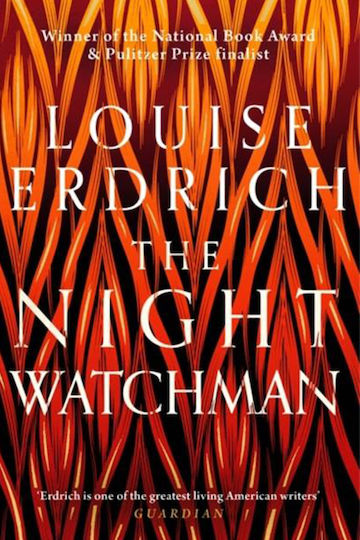
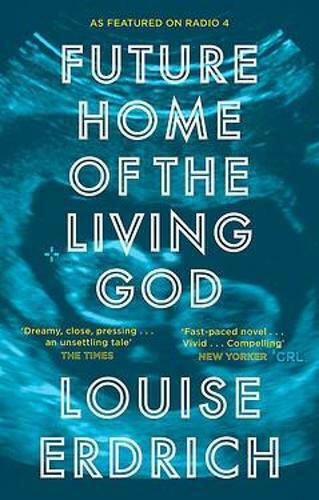
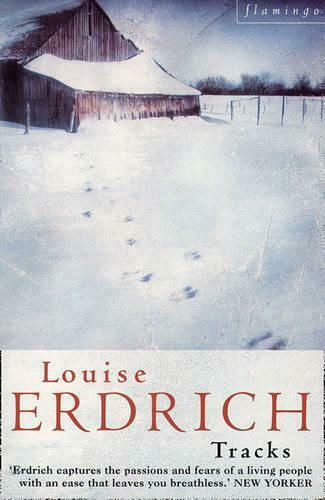
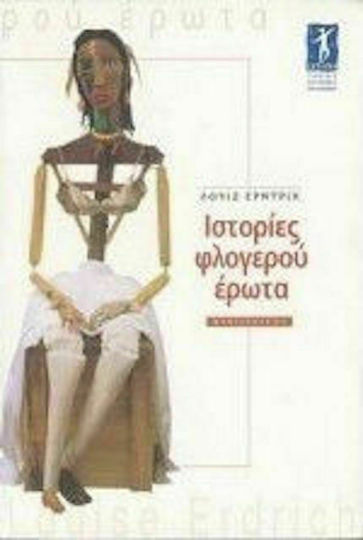
Louise Erdrich was born in 1954 in Little Falls, Minnesota, to a father of German descent and a mother from the Chippewa Indian tribe. Both of her parents were teachers and raised Louise and her six younger siblings in North Dakota, a traditionally Native American area. From a very young age, the seven children became familiar with the poetry of Frost and Byron, which their father recited to them. She began her studies at Dartmouth in 1972, the first year the college admitted women and established a Department of Native American Studies. The department was chaired by anthropologist Michael Dorris, who later became her husband and collaborator. Under his guidance, Erdrich delved into exploring her roots, which would later become the core of her works. Between 1973 and 1978, when she enrolled at Johns Hopkins University for her master's degree, she worked various jobs—from lifeguard to waitress—gaining rich experiences for her writing. During this time, she also began writing poems and short stories. Her collaboration with Dorris, which had become closer, earned them the first prize in the Nelson Algren competition in 1980. They married in 1981. Her first novel, "Love Medicine," was published in 1984, followed by "The Beet Queen" (1986), "Tracks" (1988), "Crown of Columbus" (1991) in collaboration with Michael Dorris, and "The Bingo Palace" (1994). In 1985, the National Book Critics Circle honored her as the best author of the year, also recognizing her as the first writer to vividly capture the voice of Native Americans. Erdrich's work, while not purely autobiographical, contains many indirect references to personal experiences, drawing from Native American cultural heritage and tracing their history in the 20th century.

 Non-Greek Fiction Books