Anthony Hope Hawkins
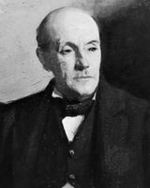
Anthony Hope Hawkins
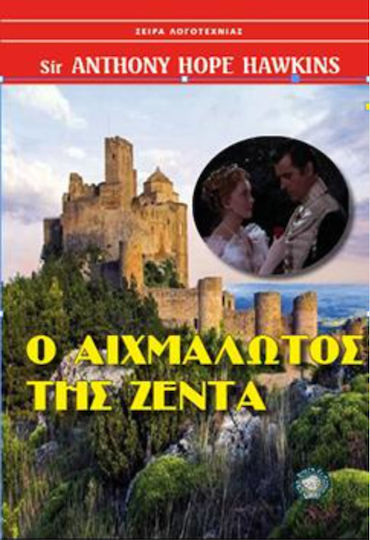
Sir Anthony Hope Hawkins (1863 - 1933) was an exceptionally popular English author of the late 19th century, who published his books under the pseudonym Anthony Hope. His success primarily stemmed from works set in a fictional country, Ruritania, located somewhere in southeastern Europe, known as "The Ruritanian novels." The most famous and successful of these is "The Prisoner of Zenda" (1894). Anthony Hope Hawkins was born on February 9, 1863, in London. His clergyman father enrolled him in the renowned Marlborough College. He continued his studies at Balliol College, Oxford, where he studied law and practiced as a barrister from 1877 to 1894. During this period, he began writing and published a novel, "A Man of Mark" (1890), which went unnoticed. Success began to smile upon him with the short stories "The Dolly Dialogues," published in the "Westminster Gazette" in 1894. This led him to decide to permanently leave the legal profession and devote himself to writing. "The Prisoner of Zenda" was published in May 1894 and achieved unprecedented success for its time. It was translated into many languages, adapted for the stage in 1896, and later for the cinema. Well-known authors of the time praised his talent, such as Robert Louis Stevenson, who paved the way for adventure novels like Anthony Hope's, and poet and critic Andrew Lang (1844-1912), who stated that he preferred the prose of Conan Doyle, Haggard, and Hope over that of Hardy and Henry James. The sequel to "The Prisoner of Zenda," titled "Rupert of Hentzau," was published in 1898 and also met with success. In contrast, his subsequent novels received a more lukewarm reception from the public: "Tristram of Blent" (1901), "Sophy of Kravonia" (1906), "Lucinda" (1920), among others. During World War I, he worked for the British Ministry of Information and, after the war, was knighted for his services. In 1927, he published his memoirs titled "Memories and Notes."
0