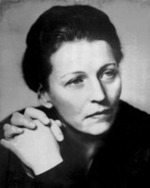
Pearl S. Buck
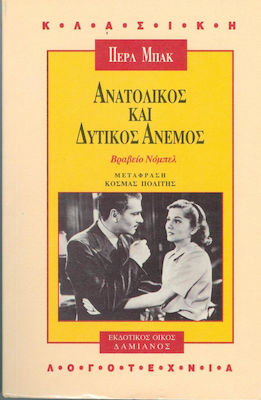
Pearl Buck, a North American author from Virginia (1892-1973), was the daughter of a missionary. From a very young age, she moved to China, where she spent her childhood. Her energy was evident from an early age. She was captivated by the works of Charles Dickens, who, as she admits, influenced her more than anyone else, and to whom she owes much. In 1909, she returned to the United States to complete her studies and later went back to China, where she married American missionary John Buck. However, this marriage was never successful, and it ended in 1935. That same year, Buck married Richard Walsh.
She faced her first major blow with the death of her mother, whose biography she wrote ("The Exile"), marking the beginning of her writing career. A busy individual, she was simultaneously involved in writing and teaching at two universities. Her personal drama with her intellectually disabled child inspired the poignant story "The Child Who Never Grew." She then completed the works "East Wind: West Wind" and "The Good Earth." The latter has a style reminiscent of the Bible and is imbued with a religiosity that critics attribute to her family's religious tradition. With "The Good Earth," she gained worldwide recognition and was awarded the Pulitzer Prize. This was followed by "All Men Are Brothers." Her fame reached its peak the year her father passed away, with the writing of "Fighting Angel."
In total, Buck wrote around 45 works, which were translated into 20 languages, including Greek. In her works, she analyzes her experiences from her childhood and the harsh life of Chinese farmers, where she tasted hunger and misery, and from the customs and traditions of this distant land ("A House Divided," "My Several Worlds," "A Bridge for Passing," "The Scattered House," "Proud Heart," "Death in the Castle," "The Mother," etc.). In 1938, she was honored with the Nobel Prize.
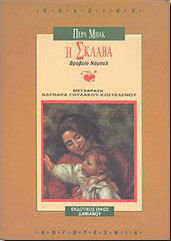
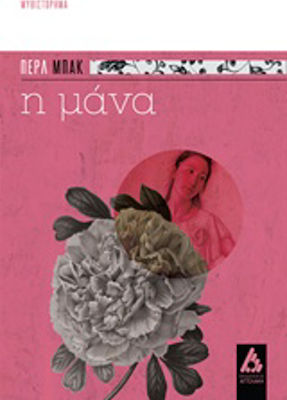 Greek Fiction Books

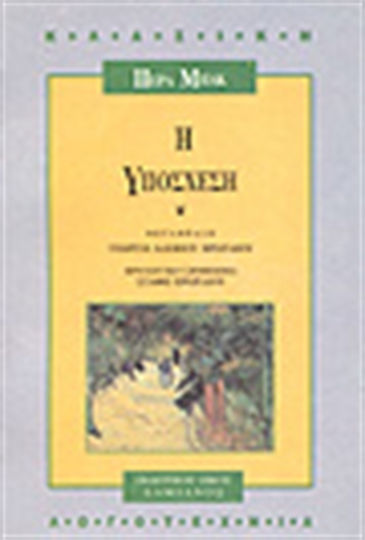
 Greek Fiction Books
 Greek Fiction Books