Dante Alighieri
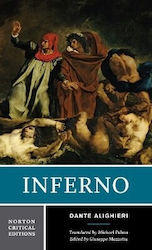
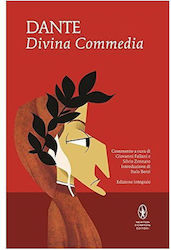
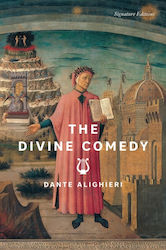
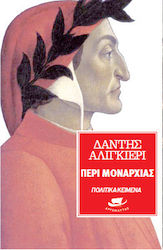
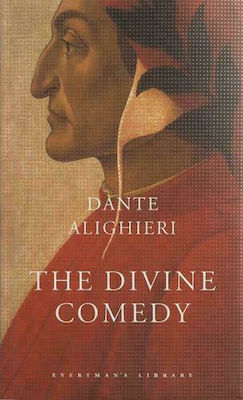
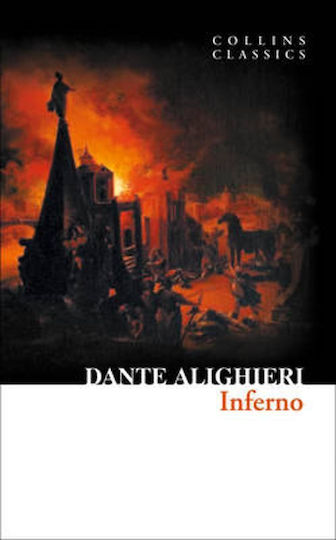
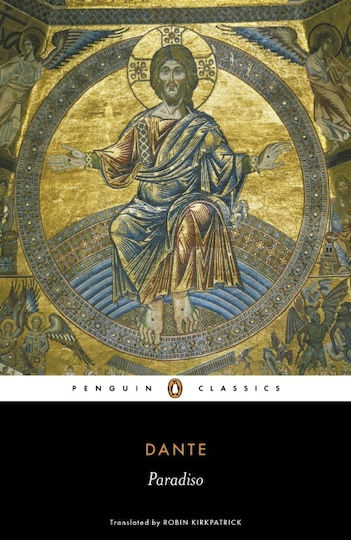
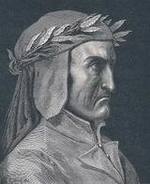
Dante Alighieri (1265-1321). Born in Florence and died in Ravenna at the age of 56. He studied philosophy, theology, and law. A decisive role in his life and his entire poetic creation was played by his great love for Beatrice Portinari, who was only one year younger than him and whom he first met at the age of just nine. Nine years later, he met her again and loved her passionately, yet purely (platonically). He saw her as an "angel in the form of a woman" or ultimately as a "source of profound and sublime emotion" for him. Beatrice, who had meanwhile married another, died shortly thereafter at the age of only 25. Initially, Dante described his fiery great love in his book "Vita Nuova," but later he came to literally exalt it in his incomparable masterpiece, the famous "Divine Comedy," which is divided, as is well known, into three separate books: "Inferno," "Purgatorio," and "Paradiso." The great Florentine bard, along with his almost contemporary Petrarch, is considered one of the two reformers of the Italian language. With the immense influence of their works, they succeeded in establishing the vernacular language of the people as the language of literature, which gradually evolved into the official language of the entire Italian nation. Both in his "Convivio" and, above all, in his "Divine Comedy," Dante uses the refined dialect of Tuscany and Florence, which later became a model for all other Italian poets and writers. As he himself emphasized: "The language of the people that I use is not vulgar. Vulgar are only the scorners of this living language, spoken by the hardworking and industrious people of this country."