Mentis (Mpost) Mpostantzoglou

Mentis (Mpost) Mpostantzoglou
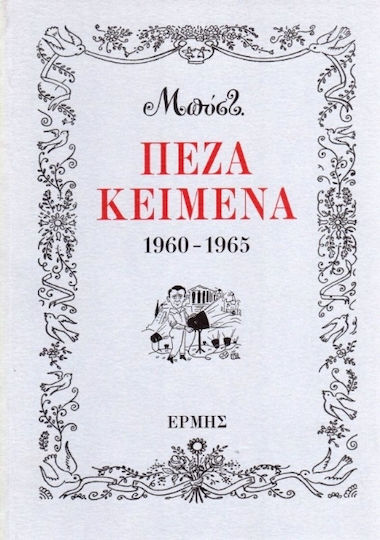
Mentis Bostantzoglou (Chrysanthos Vostantzoglou), (1918-1996). Chrysanthos Vostantzoglou, son of Kleovoulos and Ourania (known as Mentis Bostantzoglou or Bost), was born in Constantinople. In 1920, his family sought refuge in Galati, Romania, and in 1926 they settled in Greece. From a young age, he showed a keen interest in encyclopedic knowledge, foreign languages, and painting. The nickname "Mentis" accompanied him since his high school years. In 1939, he took exams at the School of Fine Arts but stopped attending classes six months later, as he wanted to pursue his own path. That same year, he made his debut as an illustrator in the magazine "Neoellinika Grammata" by Dimitris Fotiadis. He first appeared in the literary world in 1945 with the publication of the book "Saint Phanourios. A Subject for Mockery. An Aid for Understanding the Chinese Classics of the 20th Century, namely the authors Ga-tsu and Vu-svu-ni," already showing elements of the influences he received from the artistic movement of surrealism as well as his unique satirical style. In 1948, he married Maria Papagiannakopoulou, with whom he had two sons, the painter Kostas and the actor Yiannis. He died in 1996 in Athens. A multifaceted and restless personality, Bost engaged in both visual arts and the art of words. As a cartoonist, illustrator, caricaturist, cartographer, and painter, he collaborated with many newspapers, magazines, and publishing houses, held exhibitions in Greece and abroad, and published albums of his work, notably the highly successful edition "Bost's Sketches" with a foreword by Ilias Petropoulos (1959). His lyrics were set to music by Mikis Theodorakis, with whom Bost also wrote the texts for the performance "Beautiful City," successfully staged at the Park Theatre in the summer of 1962. This was preceded by his first play titled "Don Quixote" (1961). However, a milestone in his career as a playwright was "Fausta or The Lost Daughter" (1964). Bost's theatrical language expresses his concern for contemporary Greece through the avenue of intelligent satire and is the result of a creative assimilation of the author's readings and Greek folk tradition. He also wrote prose texts and humorous essays. Additionally, he was involved for years in political commentary and faced persecution for his activist involvement in the Left, already from the period of the German occupation and during the April dictatorship. For more biographical details on Mentis Bostantzoglou, see Giorgos P. Pephanis, "Chronology of Chrysanthos Vostantzoglou (Bost)," in the program of the "Fausta" performance by the New Stage of the National Theatre, theatrical season 1996-1997, pp. 37-51. (Source: Archive of Greek Authors, EKEBI.)
0
 Greek Fiction Books
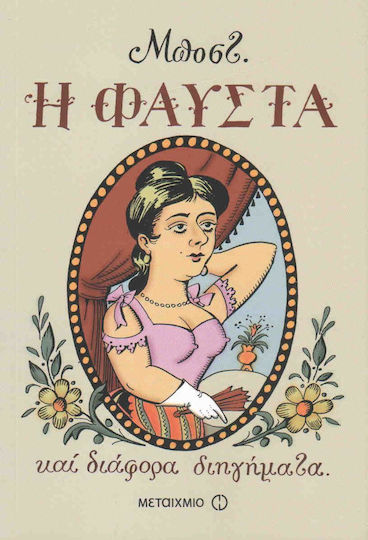
Η Φαύστα, And Various Short Stories
Mentis (Mpost) Mpostantzoglou, Mentis Mpostantzoglou , Metaixmio
0

Be the first to leave a comment!