Pierre Loti
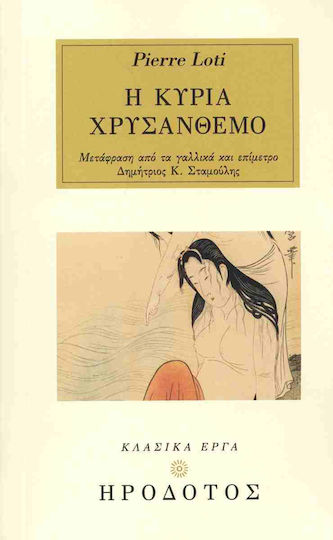
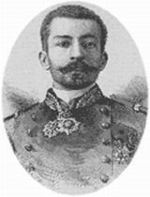
Pierre Loti was born in 1850 and passed away in 1923. He served as a naval officer for forty-two years, which gave him the opportunity to travel almost all over the world and spend extended periods outside France. A restless and melancholic spirit, suffering from a constant anxiety about time, Loti sought escape in exotic lands, which inspired nearly all of his works. He proved to be a sensitive and insightful observer, particularly attentive to the consequences of the colonial policies of France and England. In his novels, which contain many autobiographical elements, he places less emphasis on plot and more on atmosphere, which he describes with the skill of an impressionist, managing to make the reader his fellow traveler. From the Turkey of "Disenchanted" (1906) and "Aziyadé" (1879), he moves to the natural beauties of Oceania with "Rarahu" (1880), later titled "The Marriage of Loti," and to the sensual and tragic Africa with "The Romance of a Spahi" (1881), finally arriving in Japan with "Madame Chrysanthème" (1888), which inspired Puccini's opera "Madame Butterfly." Everywhere, his descriptions are a delight, an original travel guide that delves into the depths of each place and its people. In 1921, he suffered a stroke and could no longer write. He took his last breath in June 1923, due to pulmonary edema. His homeland had already honored him by electing him a member of the French Academy in 1891.