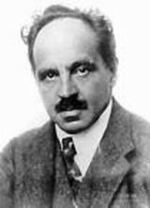
Jacob Wasserman
Jakob Wassermann, a German novelist, was born in 1873. His childhood and youth were challenging, primarily due to his Jewish heritage; through a life marked by insecurity and humiliation, he developed feelings of both respect and aversion for Germany, which were expressed in his literary work, especially in his autobiography.
During the interwar period, the man who had experienced intense social rejection became particularly popular, and his books were translated into many languages. "Caspar Hauser" (1908), "The World's Illusion" (1919), the autobiographical "My Life as a German and a Jew" (1921), "The Maurizius Case" (1928), "Etzel Andergast" (1931), and "The Third Existence of Joseph Kerkhoven" (1934) are among his most well-known works.
His writing is characterized by a realistic, vigorous style, occasionally imbued with an atmosphere of mysticism, often drawing on real events to which he gave symbolic dimensions. His works feature intense and in-depth portrayals of fictional heroes who clash with their world and society, addressing major issues of his time and all times (justice, principles of bourgeois life, the concept of mission, etc.), and the passion in expressing his moral ideas. Wassermann's work has been compared to that of Dostoevsky.
He passed away in 1934.
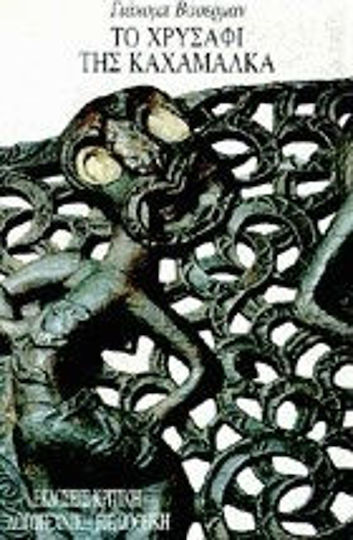
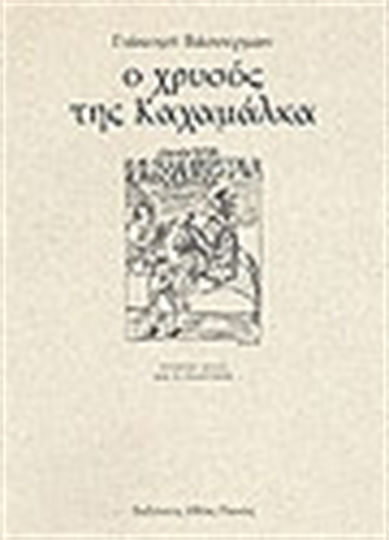
 Greek Fiction Books
 Greek Fiction Books