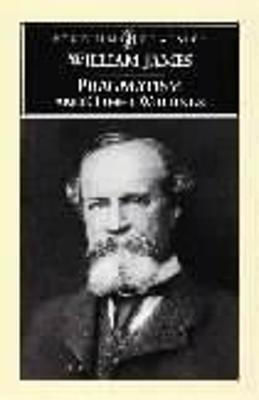
William James
William James was born at Astor House in New York on January 11, 1842. He was such a lively person that his sister Alice used to say he was "reborn every morning." He was the brother of the novelist Henry James. At the age of eighteen, William James began studying art in Newport with William Morris Hunt and John La Farge, who believed he could become a good painter. However, his interests soon changed. He went to Harvard, where he studied medicine to become a physiologist and later turned to psychology and philosophy. He completed his studies in psychology in Germany in 1867. After returning to the United States, he taught in the Department of Philosophy and Psychology at Harvard University, where he established the first psychology laboratory in America, and for a short time at Columbia and Stanford Universities. The events that led to the greatest changes in his life were his engagement with the philosophy of Renouvier and the poetry of Wordsworth, his marriage to Alice H. Gibbens in 1878, and the professorship he took at Harvard in 1872, which he held until his retirement in 1907. He died on August 26, 1910, at his home in Chocorua, New Hampshire. His most significant works include: "The Principles of Psychology" (1890), "The Will to Believe" (1897), and "The Varieties of Religious Experience" (1902).