Aisopos
Aesop (625-560 BC). He was born in Amorium, Phrygia, and died in Delphi, where he had been sent by King Croesus to receive an oracle from the Delphic Oracle. However, he was accused of sacrilege there and sentenced to death by the sacred judges. He was thrown from the top of Mount Parnassus.
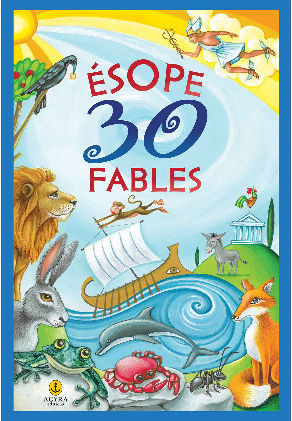
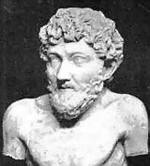
Aesop is the most famous of the ancient fabulists, the undisputed father of the ancient fable. His biography was written in the 14th century AD by the monk Maximus Planudes, and it contains numerous anecdotes about his life and overall activities. He is also considered the leading figure in what is known as "didactic mythology." His fables have been compiled in the "Collection of Aesop's Fables," and the main characters in these are mostly certain animals, such as the fox, the lion, the deer, and others. These are short domestic narratives, expressed with great brevity. Their nature is moralistic, symbolic, and allegorical. Aesop was of humble origin and extremely unattractive, but at the same time, he was highly intelligent. Despite being a slave during his lifetime, the Athenians later erected a statue in his honor to show that every person of worth should be honored, regardless of their origin.