Amartya Sen
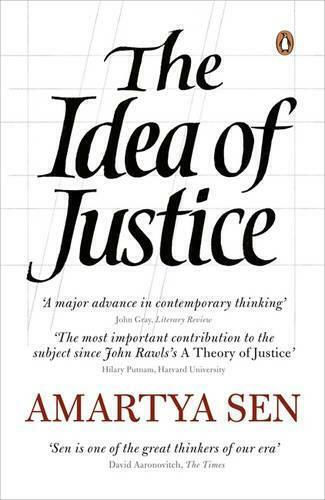
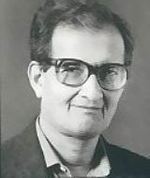
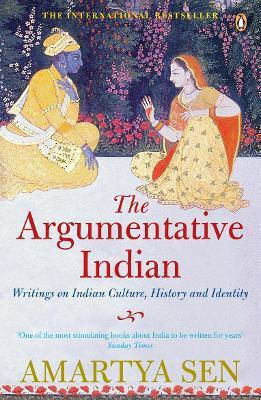
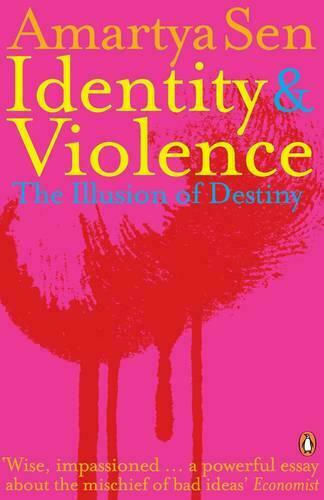
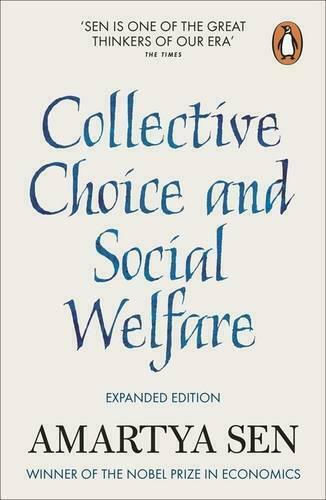
Amartya Sen (born Santiniketan, India, 1933), known as the "Indian economist of the poor," taught at Trinity College, Cambridge (UK). He has served as the president of the Econometric Society and the International Economic Association. Currently, he is a Professor of Economics and Philosophy at Harvard University. In 1998, he was awarded the Nobel Prize in Economic Sciences for his overall work, particularly for reintroducing logical thinking, philosophical perspective, and their connection to other social sciences into Economics. He demonstrated the interrelation between democratic structures and freedom with prosperity. He highlighted that major issues of our time, such as poverty and famines, are exacerbated where there is a lack of sufficient freedom and democracy. In 2010, "Time" magazine included him among the 100 most influential people in the world, and "New Statesman" among the top 50. Among his works, which have been translated into more than thirty languages, are: "Collective Choice and Social Welfare" (1970), "On Economic Inequality" (1973/1997), "Poverty and Famines: An Essay on Entitlement and Deprivation" (1981), "On Ethics and Economics" (1987), "Hunger and Public Action" (edited with J. Dreze, 1989), "The Quality of Life" (with M. Nussbaum, 1993), "Reason Before Identity" (1999), "The Argumentative Indian" (2005), "Identity and Violence: The Illusion of Destiny" (2006), "Imperial Illusions: India, Britain, and the Wrong Lessons" (2007), "The Idea of Justice" (2009), "Mismeasuring Our Lives: Why GDP Doesn't Add Up" (with J. E. Stiglitz and J.-P. Fitoussi, 2010).


 Political Books