Wislawa Szymborska
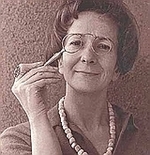
Wislawa Szymborska
Wislawa Szymborska was born in 1923 in Kórnik, Poland (in the Poznań province) and moved at the age of eight to Kraków, where she resided permanently until her death on February 1, 2012, at the age of 88. She studied literature and sociology at the renowned university in the city and made her poetic debut in 1945. By 1996, when she was awarded the Nobel Prize in Literature, she had published only nine poetry collections and four books of essays, while also translating French verse poetry. For a period (1967-1972), she regularly commented on rather obscure foreign and Polish writers. She was honored with the Kraków Literary Award (1995), the Polish State Prize for Art (1963), the Goethe Prize (1991), and the Herder Prize (1995) and was an honorary Doctor of Arts at the University of Poznań. Alongside Zbigniew Herbert and Tadeusz Różewicz, she is considered at the pinnacle of the post-war representatives of the so-called "Polish school of poetry," although her recognition in Europe, particularly in the Anglo-Saxon world, came much later than theirs. From early on, Szymborska defined her poetic atmosphere, writing that she "borrows words heavy with passion and then tries to make them appear light." The classical elegance in the handling and development of her poetic material is combined with a light-hearted approach to matters and a deceptively cheerful skepticism, where the painful awareness of the human condition and adventure in the world subtly lurks, along with the lively hope that defies our mortal fate and history (where tragedy usually repeats). For Szymborska, despite the insecurity, fear, and hatred that human nature breeds and cultivates, the world never ceases to challenge and surprise, and nature along with art always remain the best mediators for this vision (as she concluded at the Nobel Prize ceremony: "Poets, it seems, will always have a lot of work to do"). Some of Szymborska's poems, written at unsuspecting times, gain dramatic relevance today as humanity experiences the anxiety of terrorism with unique intensity, and they are examples of the deep moral consciousness and vigilance that ultimately run through all her poetic work.
0

0
0