Chinua Achebe
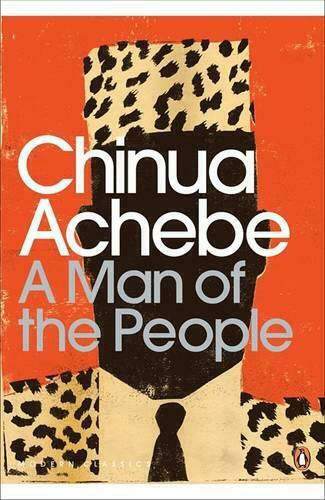
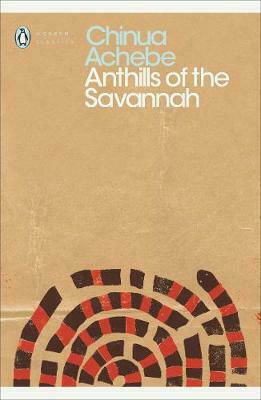
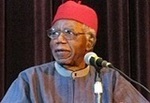
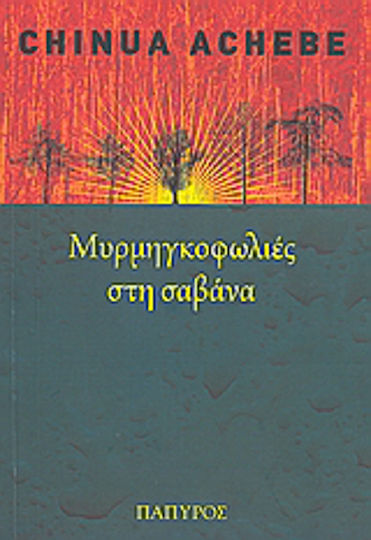
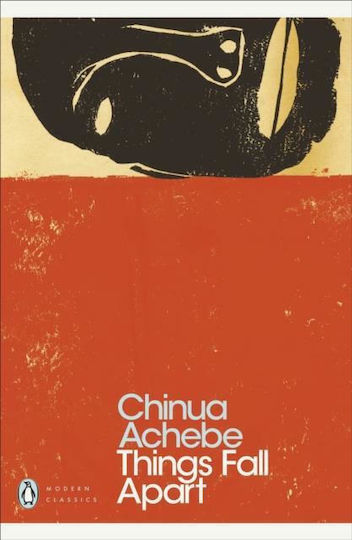
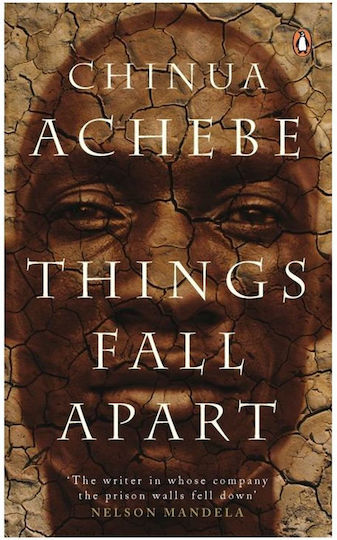
Chinua Achebe was born in 1930 and raised in a Christian family of evangelists in the village of Ogidi, one of the first centers of Anglican missionary work in Igbo land, eastern Nigeria. He studied medicine and literature before beginning a career in radio. His career was abruptly ended in 1966 when he resigned during the national unrest and massacres that led to the Biafran War. He narrowly escaped arrest by armed federal soldiers who apparently believed that his novel "A Man of the People" (1966) implicated him in Nigeria's first military coup. His academic career began in 1967 at the University of Nigeria, where he was appointed an honorary professor in 1985. He also taught at the universities of Massachusetts and Connecticut. Achebe received over twenty honorary doctorates from universities in the UK, USA, Canada, and Nigeria. In 1987, he was awarded Nigeria's highest honor for intellectual achievement. He wrote novels, essays, and children's books. His first novel, "Things Fall Apart," was published in 1958. Since then, his works have sold over eight million copies and have been translated into at least forty-five languages. His subsequent books include "No Longer At Ease" (1960), "Arrow of God" (1964) - winner of the Jock Campbell/New Statesman Prize for African Writing, and "A Man of the People" (1966). His book "Anthills of the Savannah" was shortlisted for the Booker McConnell Prize in 1987. His poetry collection "Beware Soul Brother" won the Commonwealth Poetry Prize in 1972. After a car accident in Lagos, Nigeria, in 1990, which resulted in the paralysis of his lower limbs, he lived permanently in the USA, where he taught African studies at Bard College in New York and at Brown University (David and Marianna Fisher University Professor of Africana Studies, 2009). In 2007, he was honored with the Man Booker International Prize for his lifetime achievement. He passed away in Boston, Massachusetts, on March 21, 2013, at the age of 82. He was married and had four children.

 Greek Fiction Books