T. S. Eliot
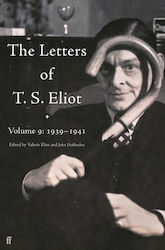
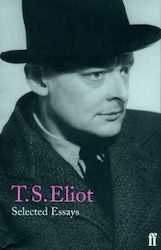
Born in St. Louis, Missouri, USA, in 1888 to a Puritan aristocratic family of distinguished scientists, he was raised with the principles of his theologian grandfather. He studied at Smith Academy in Massachusetts and was awarded a gold medal in Latin from Milton Academy. He studied four languages: Greek, Latin, French, and German, along with medieval history, comparative literature, and modern philosophy. He also attended philosophy courses at Harvard with B. Russell in 1914, as well as Sanskrit and modern Indian philosophy. A connoisseur of French literature, he pursued poetry. In 1915, Eliot settled in London, teaching at schools and later being appointed to Lloyd's Bank of London, where he worked for eight years. His poetry is categorized into five periods. The first period (1909-1919) includes poems such as "The Love Song of J. Alfred Prufrock," "Portrait of a Lady," "Preludes," among others. The second period (1920-1925) includes poems like "Gerontion," "The Hippopotamus," "The Waste Land," and others. The third period features "The Hollow Men," while the fourth period (1927-1934) includes poems like "Journey of the Magi," "A Song for Simeon," "Animula," "The Rock," among others. The fifth period (1935-1942) includes "Four Quartets." His plays include "Murder in the Cathedral," "Sweeney Agonistes," "The Cocktail Party," among others. As a journalist and critic, he provided notable contributions. Since 1922, as the editor of the magazine "Criterion," he aimed to create a platform for new literary trends and criticism. His essays and studies include "Tradition and the Individual Talent," 1919, "The Use of Poetry and the Use of Criticism," 1933, "Notes Towards the Definition of Culture," 1948, "Poetry and Drama," 1951, among others. In 1948, he was awarded the Nobel Prize in Literature. He passed away on January 4, 1965.

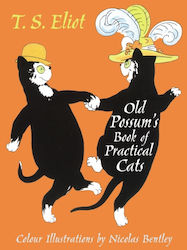

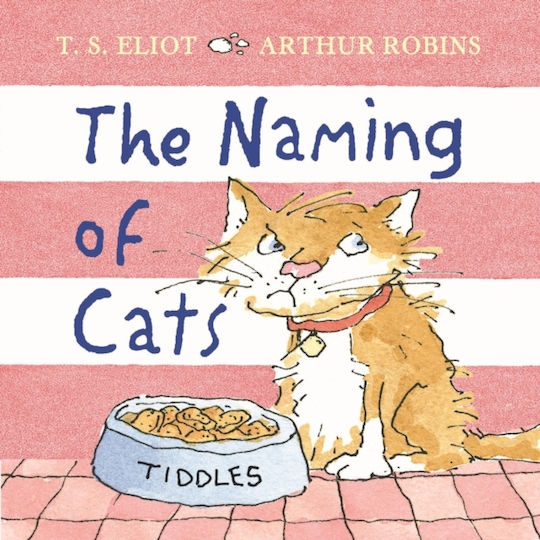
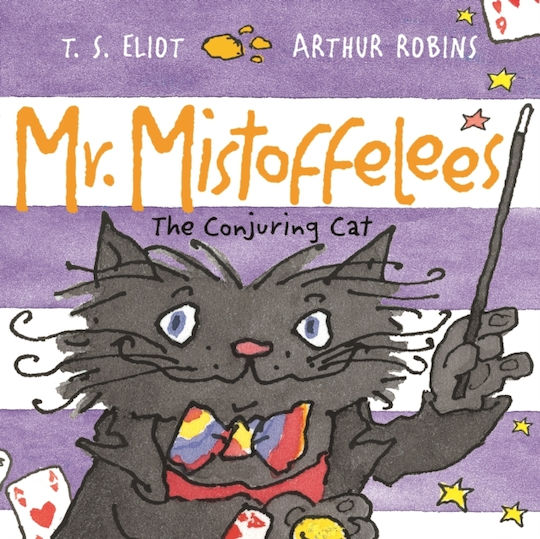
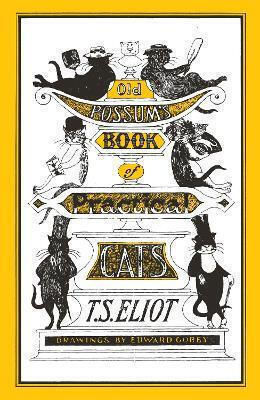 Poetry Books