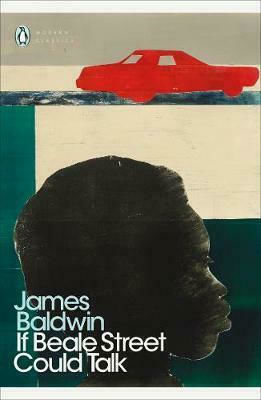
James Baldwin
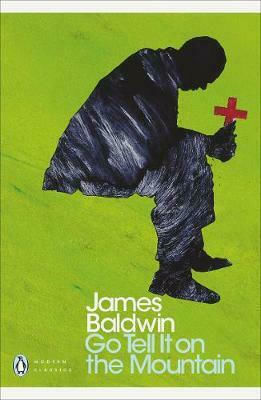
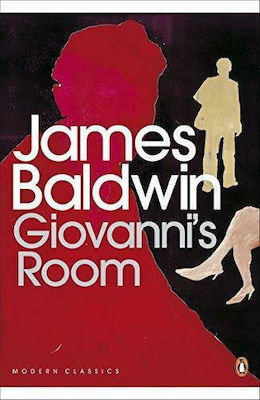
James Baldwin was born in Harlem, New York, on August 2, 1924. His first novel, "Go Tell It on the Mountain," was published in 1953. Bringing to life his experiences as a young preacher on the streets of Harlem, it was an immediate success and was followed by "Giovanni's Room," which sensitively and powerfully explores the theme of homosexual love. "Another Country" (1963) caused a literary sensation, and in 1964, two books followed: "Nobody Knows My Name" and "Notes of a Native Son," which contain many of the stories and essays that earned him fame both in America and Europe. "Nobody Knows My Name" was selected by the American Library Association as one of the most significant books of that year. "Going to Meet the Man" was James Baldwin's first collection of short stories. He published essay collections, including "The Fire Next Time" (1963), "Nothing Personal" (1964), "No Name in the Street" (1971), "The Devil Finds Work" (1976), "Evidence of Things Not Seen" (1983), and wrote two plays: "The Amen Corner" (1955) and "Blues for Mr. Charlie" (1965). His novels include "If Beale Street Could Talk" (1974), "Little Man, Little Man" (1975), and "Just Above My Head" (1979).
Despite being "black and gay," James Baldwin won awards, scholarships, and grants, and in 1986 he was honored by the Legion of Honor. He died in 1987 at his home in France. The "Times" obituary stated: "His best works stand up to comparison with anything published in the United States at the same time," while "Newsweek" described him as "an angry writer whose intelligence was so provocative and whose writing was so elegant that he quickly became the black writer whom white liberals continued to fear."










 Non-Greek Fiction Books