Alfred Lord Tennyson
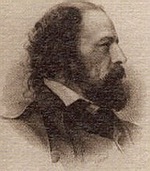
Alfred Lord Tennyson
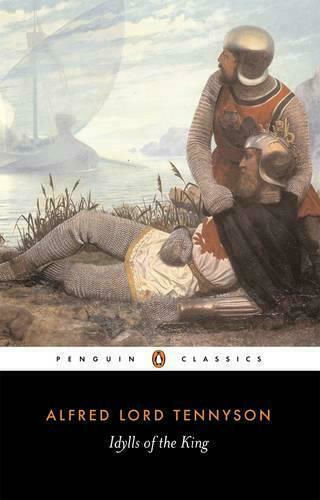
Alfred Lord Tennyson (1809-1892) began writing poetry at a young age. His reputation as a poet grew during his studies at Cambridge, where he developed a deep friendship with Henry Hallam. In 1830, he published the collection "Poems, Chiefly Lyrical," which included the poem "Mariana." Another volume of his poems was published in 1832, featuring "The Lady of Shalott." The sudden death of his beloved friend in 1833 deeply affected Tennyson but also inspired him to write a series of poems that would become part of one of his most famous works, "In Memoriam." During the same period, he wrote several poems that would be incorporated into his favorite melancholic poem, "Maud." In 1842, he published the collection "Poems," a revision of his earlier works along with new poems, including "Ulysses." That year also saw the publication of his first long poem, "The Princess," which included the standalone poems "The Splendour Falls," "Tears, Idle Tears," and "Now Sleeps the Crimson Petal." In 1850, already famous, he was appointed Poet Laureate after the death of Wordsworth. The renowned "The Charge of the Light Brigade" (1855, "Maud and Other Poems") confirmed his status as the national poet. The "Idylls of the King" (1859) achieved immediate success. In 1889, three years before his death, he wrote the famous "Crossing the Bar" during a journey to the Isle of Wight.
0