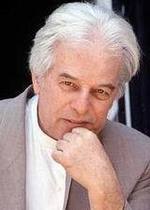
Alexandro Jodorowsky
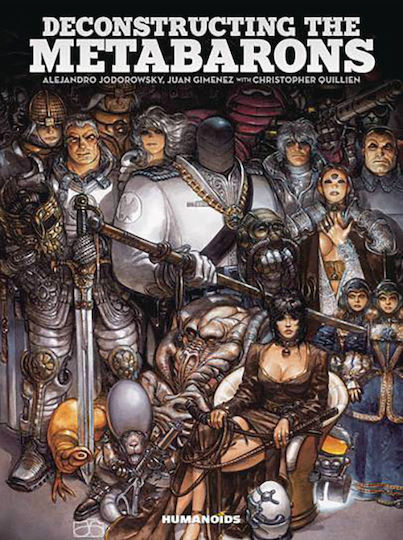
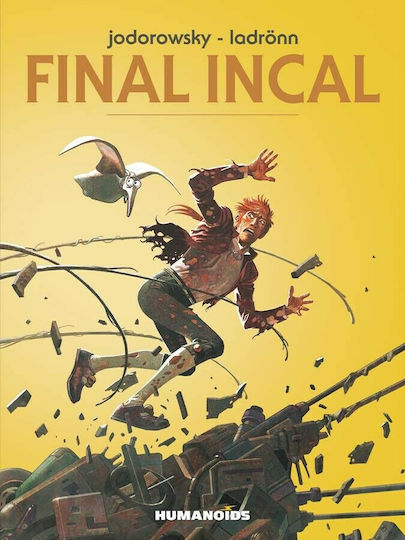
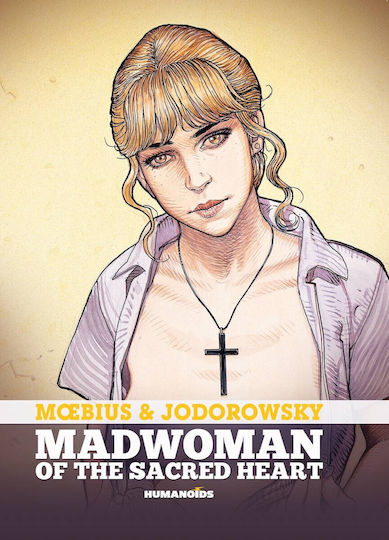
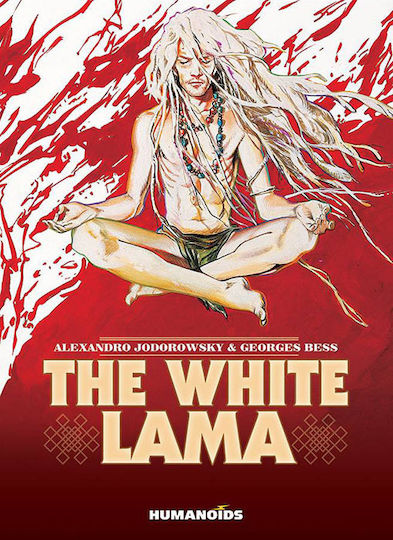
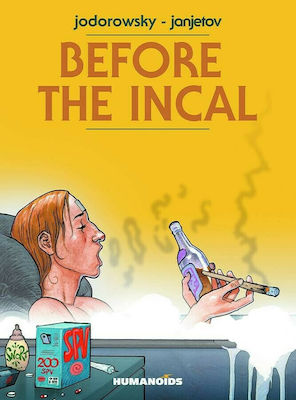
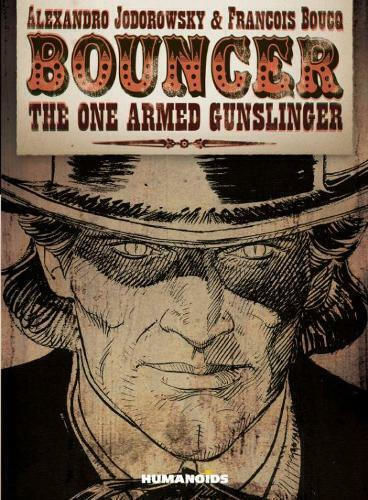
Alejandro Jodorowsky was born in Iquique, Chile, in 1929 to Ukrainian Jewish refugee parents. In 1942, he enrolled at the University of Santiago, but his passion for the circus (as a clown) and puppetry prevailed. In 1955, he moved to Paris, where he studied mime under Marcel Marceau. In 1957, he directed his first short film, "La Cravate," featuring a head-selling vendor, based on a story by Thomas Mann. In 1962, along with Roland Topor and Fernando Arrabal, he founded the surrealist group "Mouvement Panique," in honor of the god Pan. As a member of the group, he wrote books and plays. In the late 1960s, he began staging experimental performances in Paris and Mexico City, created the comic "Fabulas Panicas," and directed his first feature film in Mexico, the surreal erotic story "Fando y Lis," based on Arrabal's work (1968), which sparked reactions at the Acapulco Festival. This was followed by the now-classic films "El Topo" (1970) and "La Montaña Sagrada" (1973), also in Mexico. In 1975, he returned to Paris to work on a film adaptation of Frank Herbert's "Dune," collaborating with Orson Welles, Salvador Dalí, Jean Giraud (known as Moebius), among others, with music by Pink Floyd. However, the project was abandoned, and the film was eventually directed by David Lynch. In 1980, he directed "Tusk," a story about the love between a young girl and an elephant, and began working as a writer with illustrators like Moebius on comics, graphic novels, and animations, focusing on his own science fiction themes ("The Incal," "Metabarons," "Technopriests," "Megalex," etc.). In 1989, he returned to cinema with the film "Santa Sangre," which received critical acclaim and was screened in many countries. In the 1990s, he directed Omar Sharif and Peter O'Toole in the fantasy film "The Rainbow Thief," and continued writing comics and graphic novels. His most recent films, directed after he turned 80, were autobiographical accounts of his childhood, "La Danza de la Realidad" (2013) and "Poesía Sin Fin" (2016), both in a surrealistic style. Earlier, in 2000, he was honored with the Jack Smith Lifetime Achievement Award at the Chicago Underground Film Festival for his body of work.