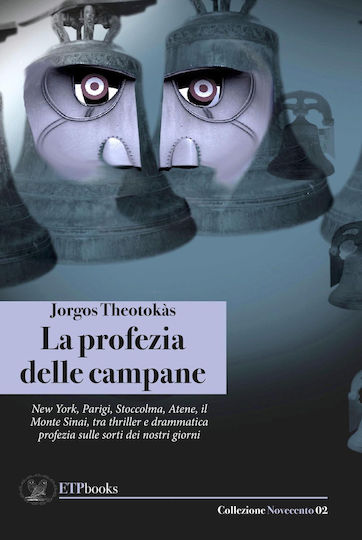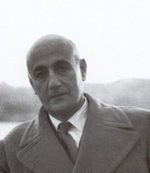
Giorgos THeotokas
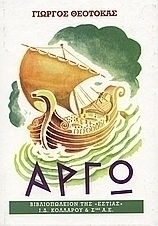
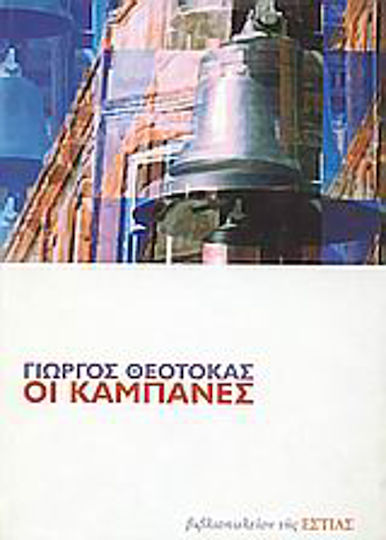
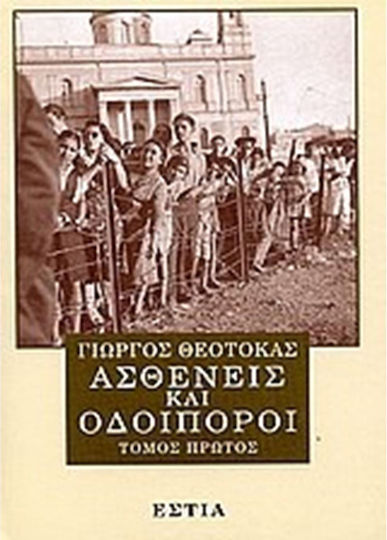
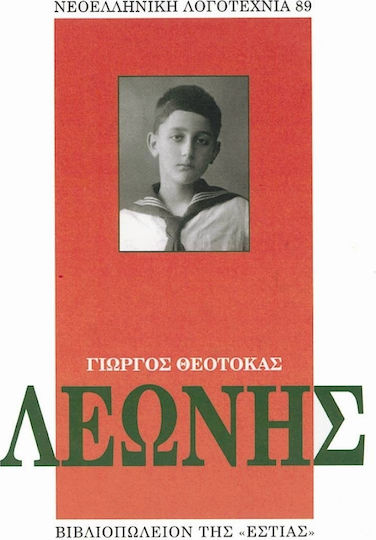
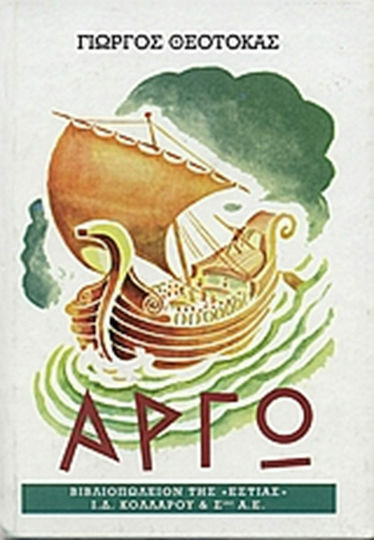
George Theotokas (1905-1966) was born in Constantinople, the son of lawyer Michael Theotokas and Androniki, née Nomikou. He completed his education at the Greek-French Lyceum in Constantinople and in 1922 moved with his family to Athens, where he enrolled in the Law School of the University. In 1925, he was elected General Secretary of the demotic organization Student Association (for his activities, he risked expulsion from the University in 1926) and welcomed Yiannis Psycharis in Chios. After graduating in 1927, he spent three years in Paris and London. In London, he wrote his first book, "Free Spirit," considered the manifesto of the Generation of the Thirties (published in Athens in 1929). He returned to Athens in 1929, where he worked as a lawyer and published many of his writings in daily and periodical press. In 1940, he volunteered for the army and fought in Albania. In 1948, he married philologist Nausika Stergiou, who passed away in 1959. In 1952, he traveled to America, and in 1955, he ran unsuccessfully for parliamentary elections in the Chios prefecture. In 1966, he married poet Koralia Andreadi. He died the same year in Athens. Theotokas collaborated with many literary magazines and the newspaper "To Vima," and was also a member of the editorial board of the magazine "Epoches." He co-founded the magazine "Nea Grammata" in 1935. He served as director of the National Theatre (1945-1946 and 1951-1952) and president of the Board of the State Theatre of Northern Greece. He represented Greece at international meetings in Geneva and the International Conference in Edinburgh. He traveled to many countries, and his works were translated into several foreign languages. He was honored with the Academy of Athens' Prose Award (1939 for the novel "The Demon") and the First State Essay Award (1957 for his work "The Problems of Our Time"). George Theotokas is placed in the Generation of the '30s, being one of its most prolific figures. He engaged in prose, theater, poetry, essays, criticism, and travel literature. His work laid the foundations for the theory of the Generation of the Thirties on Greek identity, which derives both from Greek tradition (ancient Greek, Byzantine, folk culture) and from European tradition and contemporary reality. His narrative style was heavily influenced by 19th-century Greek prose. Notable works include "Leonis," "Sick and Wayfarers," "The Demon," and "Argo." For more biographical details on George Theotokas, see Argyris Alex. - Georgousopoulos Kostas, "Theotokas George," World Biographical Dictionary 4. Athens, Ekdotiki Athinon, 1985, Yalourakis Manolis, "Theotokas George," Great Encyclopedia of Modern Greek Literature 7. Athens, Haris Patsis, n.d., Tziovas Dimitris, "Chronology of George Theotokas," Diavazo 137, 12/2/1986, pp. 8-11, and Aragyis George, "George Theotokas," Interwar Prose: From the First to the Second World War (1914-1939) IV, pp. 8-81. Athens, Sokolis, 1992. (Source: Archive of Greek Authors, EKEBI).



 Greek Fiction Books
 Greek Fiction Books
 Greek Fiction Books
 Greek Fiction Books
 Greek Fiction Books
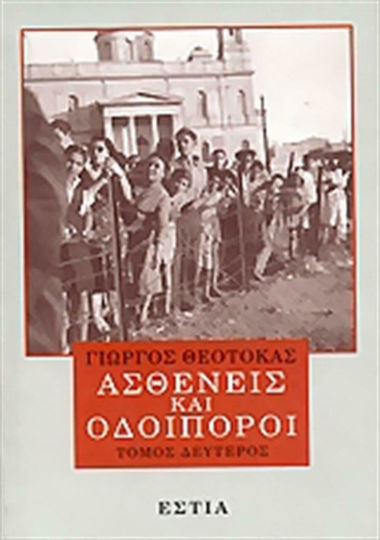 Greek Fiction Books