Leonardo Sciascia
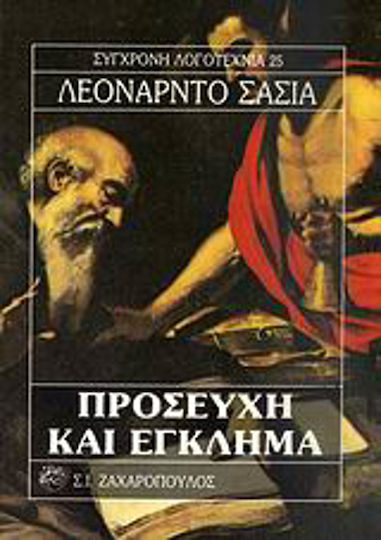
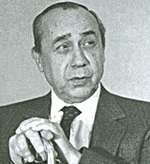
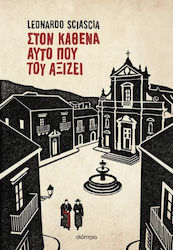
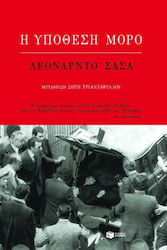
Leonardo Sciascia (1921-1989) was an Italian novelist, essayist, playwright, and politician. He was born in Racalmuto, in the province of Agrigento, Sicily. Discovering literature in the 1930s shielded him from the influence of fascism: he read Manzoni, Hugo, Casanova, Diderot, and when he entered the Pedagogical Institute of Caltanissetta in Central Sicily, he was introduced to the anti-fascist movement and American writers such as Dos Passos, Hemingway, and Faulkner, as well as French symbolist poets and the philosophy of Spinoza. The Spanish Civil War played a decisive role in shaping his political consciousness: it prompted him to write his first short story about the impoverished Sicilians whom Mussolini sent to fight for Franco. In the 1940s, he worked in various clerical positions in Sicily's agricultural services, where he encountered the poverty of farmers and sulfur mine workers daily. It was a harsh era, marked not only by the fascist regime but also by the suicide of one of his brothers, Giuseppe. From 1949 to 1957, he worked as a teacher in Racalmuto while also directing the magazine "Galleria," which featured contributions from many renowned writers, including Pasolini. He published his first book in 1950, a narrative "in the style of Aesop" titled "Fables of the Dictatorship." This was followed by poetry collections, fictional analyses of Sicilian life ("Sicily, Its Heart," 1952), critical essays ("Pirandello and Sicily," 1961), articles in the newspaper "Gazetta di Parma," and short stories that were published in the 1958 collection "The Uncles of Sicily" (in the "Gettoni" series, then directed by Elio Vittorini). In 1961, he wrote his first unique "detective" novella titled "The Day of the Owl," which marked the beginning of a political literary genre with detective plots and themes inspired by local mafia episodes that were not far removed, from a philosophical and semiotic perspective, from those of politics. Leonardo Sciascia is considered a quintessential author of the "Italian consciousness": one might compare his presence in literature to that of Costa-Gavras, Elio Petri, or Francesco Rosi in cinema, creators of political thrillers that dealt with analyzing the very nature of power. Like many Italian writers of his generation, he was a member of the Italian Communist Party, which he represented on the Palermo city council, but he soon shifted towards the Radicals, was elected as a deputy, and later as a Member of the European Parliament (in 1979). He collaborated with the newspapers "Corriere della Sera" and "La Stampa," where he commented on political events from a philosophical perspective. He is the quintessential author of sicilitudine ("Sicilianity"), analyzing the peculiarities of the small, closed society of the Italian and Mediterranean south. He was also a translator, among others, of Walt Whitman, Federico García Lorca, Anatole France, and Pedro Salinas into Italian. Some of his works were adapted and brought to the cinema: "Each in His Own Way" by Elio Petri (1976), "Illustrious Corpses" by Francesco Rosi (1976), "Open Doors" by Gianni Amelio (1990). The chronicle of the Moro affair was made into a film by Giuseppe Ferrara in 1986, starring Gian Maria Volonté. He died in Palermo on November 20, 1989, at the age of 68.
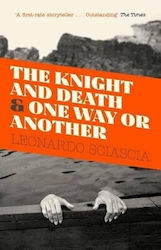


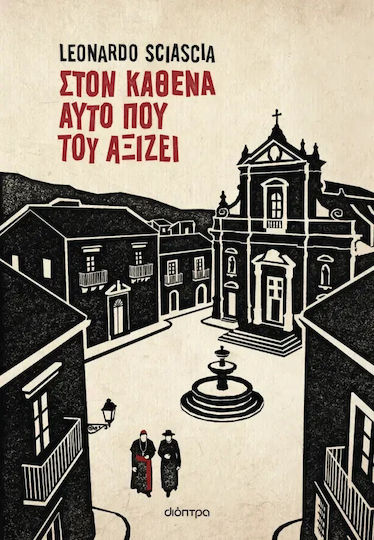 Greek Fiction Books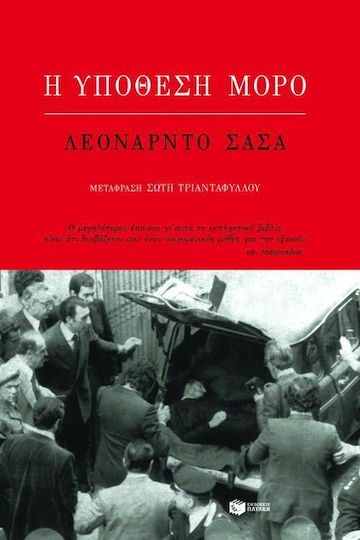

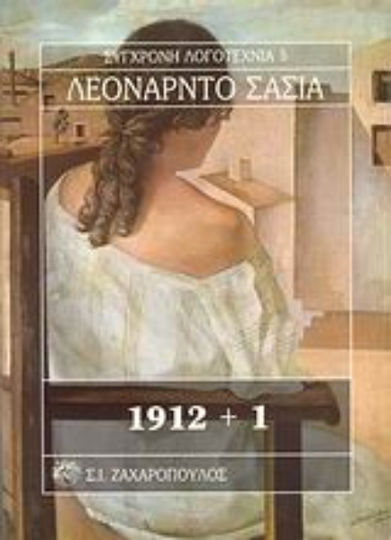
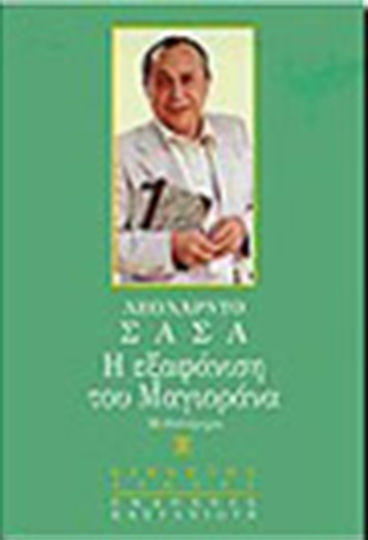 Greek Fiction Books
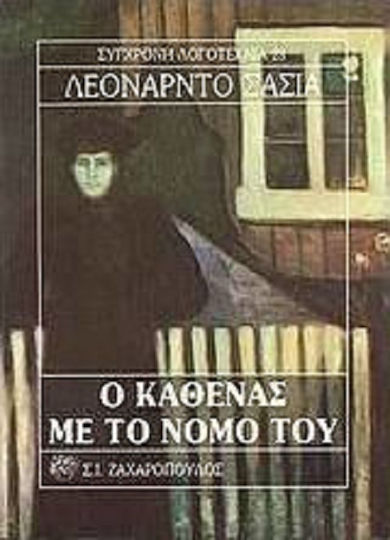 Greek Fiction Books