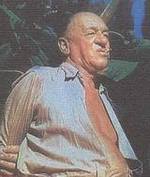
Blaise Cendrars
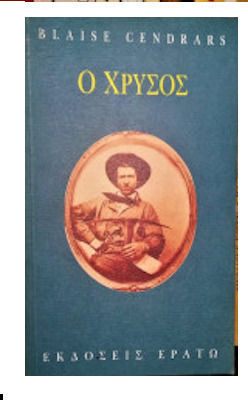
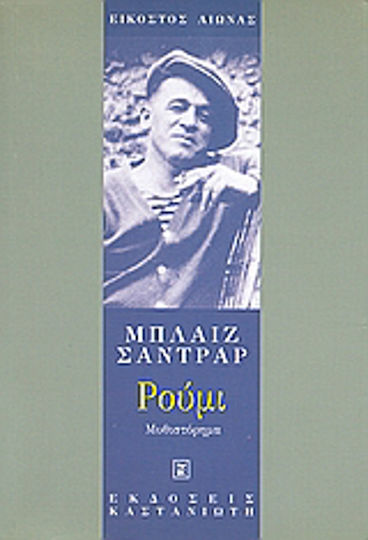
Speed, chaos, and memory encapsulate the work and life of Blaise Cendrars. A Frenchman of Swiss origin, he was born in La Chaux-de-Fonds in 1887 and passed away in Paris in 1961. From his childhood and teenage years, he passionately sought to conquer the world, traveling from Naples to China and from Russia to India. He pursued various professions and lost his hand while serving in the Foreign Legion during World War I. Cendrars refused to be a "man of letters" and preferred, by living dangerously, to capture in his prose and poetry the intensity, the present, and the action. He approached writing as a journey. His most significant prose works include: "Gold" (L'or, 1925), "Moravagine" (1926), "Black Tales for White Children" (Petits contes negres pour les enfants des blancs, 1928), "Rum" (Rhum, 1930), "The Astonished Man" (L'homme foudroyé, 1945), "The Severed Hand" (La main coupée, 1946), "Wanderings" (Bourlinguer, 1948). His poetic works include: "Easter in New York" (Pâques à New York, 1912), "The Prose of the Trans-Siberian Express and of Little Jehanne of France" (La prose du Transsibérien et de la Petite Jeanne de France, 1913), "Black Anthology" (Anthologie Nègre, 1921).


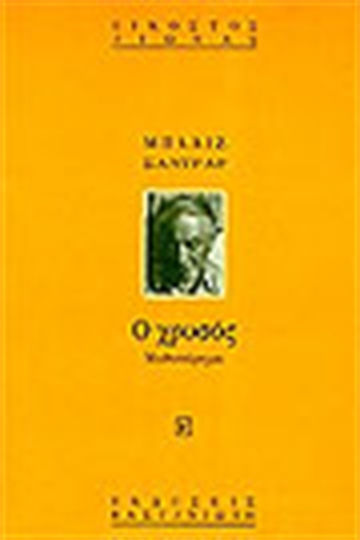 Greek Fiction Books