Patrick Modiano
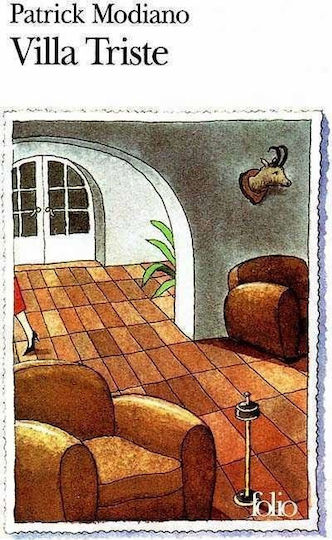
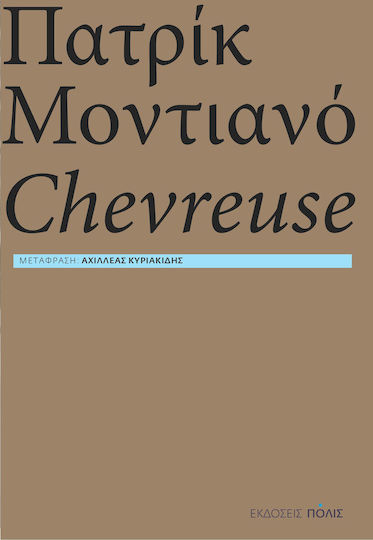
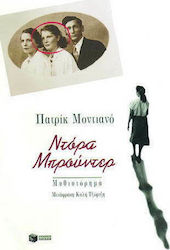
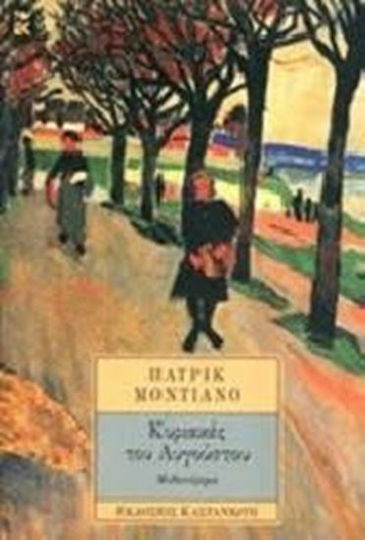
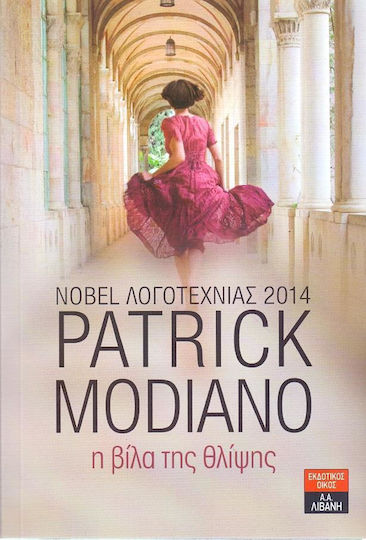
Patrick Modiano was born in 1945 in Boulogne-Billancourt to a French father of Jewish descent from a Sephardic family in Thessaloniki and a Belgian mother. His parents met during World War II in occupied Paris. In 1967, he wrote his first novel, "La place de l'étoile," and, encouraged by his professor Raymond Queneau, sent it to Gallimard publishers, who published it the following year. Today, he is considered one of the most important French authors. Among other accolades, he has been awarded the Grand Prix du roman de l'Académie française in 1972, the Prix Goncourt in 1976, the Prix du Prince Pierre de Monaco in 1984, and the Grand Prix de Littérature Paul Morand for his entire body of work in 2000. His books published in Greek include: "The Lost Neighborhood" (Hatzinikoli), "Rue des Boutiques Obscures" (Kedros), "Flowers of Ruin" (Odysseas), "The Perfume of Yvonne" (Livanis, new edition: "Villa Triste"), "Sundays in August" (Kastaniotis), "Dora Bruder" (Patakis), "Little Jewel," "They Were All So Young...," "Accident Nocturne," "In the Café of Lost Youth" (Polis). He has written screenplays for the films "Lacombe, Lucien" by Louis Malle, "Le Fils de Gascogne" by Pascal Aubier, and "Bon Voyage" by Jean-Paul Rappeneau. Other works include: "La place de l'étoile," "Livret de famille," "Une jeunesse," "Vestiaire de l'enfance," "Voyage de noces," "Un cirque passe," "Du plus loin de l'oubli," "Des inconnues," "Paris tendresse." In 2014, he was awarded the Nobel Prize in Literature "for the art of memory with which he has evoked the most ungraspable human destinies and uncovered the life-world of the occupation," according to the brief announcement by the Swedish Academy. According to its secretary, Peter Englund, "His language is simple but the structure of his narratives and the overall composition are sophisticated and elegant. As a historian, I am impressed by the authentic way in which Modiano handles memory: he opens corridors in time through which you can walk and discover yourself." "His work speaks of memory. He returns to his history, his birth, and we can all identify with him in this quest for identity. He reveals to us the impact that World War II has on our existence, the role that the Resistance and collaboration with the Nazis play in our collective imagination," stated his publisher Antoine Gallimard to the French press after his award.



 Greek Fiction Books
 Greek Fiction Books
 Greek Fiction Books
 Greek Fiction Books