
Brian Wilson Aldiss
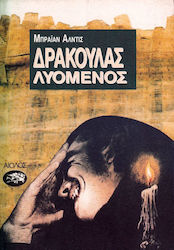
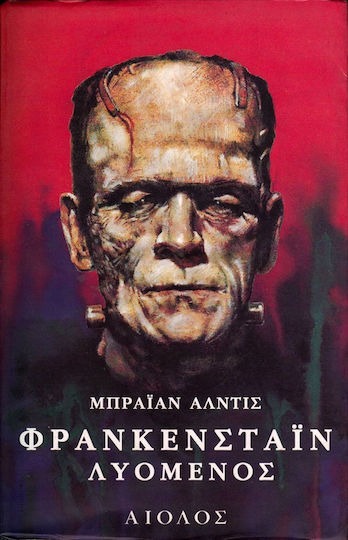
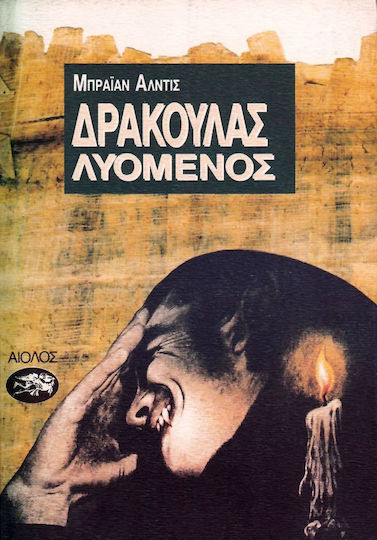
Brian Aldiss was born in East Dereham, Norfolk, in 1925. During World War II, he served with the British Expeditionary Force in Burma in 1943. After the war, he worked as a bookseller in Oxford, which inspired his first book, "The Brightfount Diaries" (Faber & Faber, 1955). That same year, his short story "Not For An Age" won first prize in a competition by the "Observer" newspaper for a story set in the year 2500. Although he engaged in all forms of prose and poetry, Aldiss became primarily known as a writer and critic of science fiction and fantasy literature, recognized as one of the best in the genre. In 1958, following the release of his next two books, "Space, Time and Nathaniel" and "Non-Stop," he was voted the most promising new writer at the World Science Fiction Convention. Two years later, in 1960, he was elected president of the British Science Fiction Association. Along with Harry Harrison, he published the first British science fiction magazine in 1964, titled "Science Fiction Horizons," which featured discussions with authors such as C. S. Lewis, Kingsley Amis, and William Burroughs. He also edited anthologies of fantasy literature short stories, including volumes like "Introducing SF" and "Best Fantasy Stories" published by Faber & Faber, and "Penguin Science Fiction" published by Penguin. Among the many accolades Aldiss received for his work are the honorary title of Grand Master from the Science Fiction Writers of America (SFWA) in 2000, two Hugo Awards, a Nebula Award, a John W. Campbell Memorial Award, and his short story "Super-Toys Last All Summer Long" inspired Steven Spielberg's film "A.I. Artificial Intelligence." In 1990, he became a member of the Royal Society of Literature. In 2005, he was awarded the title of Officer of the Order of the British Empire (OBE) by Queen Elizabeth for his services to literature. He resides permanently in Oxford. More information can be found on his website, www.brianaldiss.co.uk.

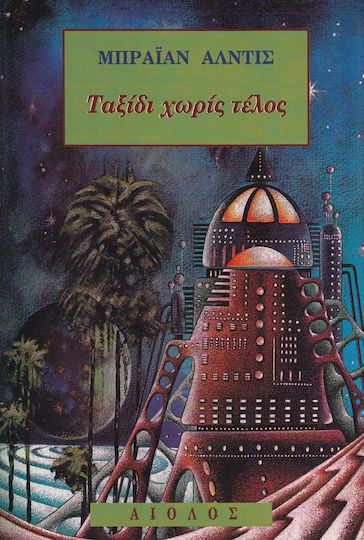
 Greek Fiction Books