Thermal Pad: Thermally conductive sheets that aid in heat dissipation.
M.2 SSD Cooler: Metal heatsinks – passive or with a small fan – that are placed on fast NVMe SSDs. They prevent "thermal throttling" (performance drop due to overheating) during large file transfers.
Fan Hubs: Devices that function as "power strips" for fans. They receive a signal from a single motherboard port and power multiple fans simultaneously, so that they all run at the same speed.
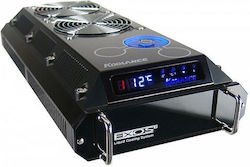
Fan Controllers: More advanced devices than hubs. They allow you to control the speed of each fan independently (and often the RGB lighting as well), either through software or with physical buttons/display on the case.
Graphics Card Cooler: Integrated cooling systems (either with fans or ready-made liquid cooling) that replace the factory cooling of the GPU for lower temperatures and less noise.
Liquid Coolant: Special fluids (often with anti-corrosive and anti-algae properties) used exclusively in custom water cooling systems. Available in various colors or clear.
Radiator: Coolant cooling system.
CPU Water Blocks: The component that sits on top of the processor (CPU) in custom water cooling systems. It transfers heat from the processor to the circulating liquid.
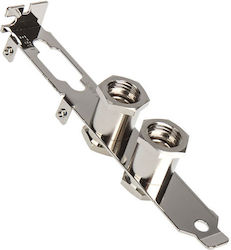
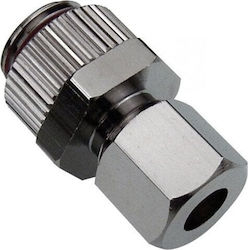
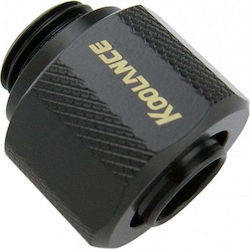
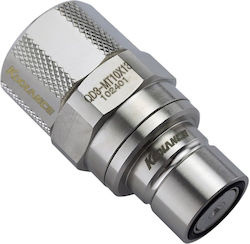
Fittings: They are used for connecting the pipes of the system.
GPU Water Blocks: Special advanced water coolers (for custom water cooling) that are installed on the graphics card, covering the GPU, the memory (VRAM), and the VRM.
RAM Cooler: Coolers or small fan systems that attach to RAM modules. They are mainly used in extreme overclocking, as standard RAM rarely requires extra cooling.
Water Pumps: Fluid flow control mechanism in the system.
Fan Grill: Protective grills that are placed in front of fans. They protect cables (or your fingers!) from the blades and add aesthetic style.
Water Tanks: Tank that holds extra fluid in a loop.
Tubing: Cooling tubes made of flexible or hard material.