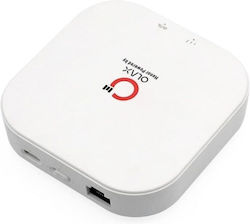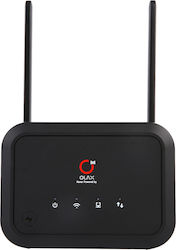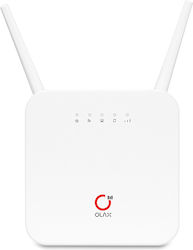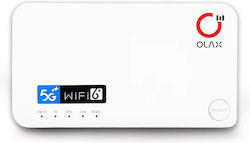
4G/5G Routers: A device that provides internet access by creating a wireless Wi-Fi network using a mobile connection (4G, 5G) via a SIM card. Easy setup and management, without the need for fixed network infrastructure.
Router: Creates a local network and allows devices to connect with each other. Unlike a modem/router, it cannot connect directly to the internet. It requires a separate modem to receive the connection from the service provider (ISP).
ADSL/VDSL Modem Routers: Combines the functions of a modem and a router into one device, allowing your network to connect to the internet through the service provider (ISP) and distribute this connection to multiple devices either wired or wirelessly.
3G/4G & 5G: Mobile routers with a SIM card slot for wireless internet access via 3G/4G & 5G mobile networks. 5G offers significantly higher speeds than 4G, which in turn is faster than 3G.
ADSL2+: The most common internet connection technology, but older compared to VDSL2. It offers download and upload speeds of up to 24 Mbit/s and 1.4 Mbit/s respectively.
VDSL2: Internet connection technology. It offers faster download and upload speeds compared to ADSL2+ (usually up to 50Mbps and 5Mbps) that can support triple play services (TV, phone, internet).
ISDN: Digital technology that uses telephone lines for voice and data transmission. Supports symmetrical speeds up to 128 kbps. Mainly used for simultaneous voice communication and low-speed data.
USB 2.0: The device has a USB 2.0 port which is an older version of USB with slower data transfer speed (480Mbit/s) compared to newer versions, but sufficient for typical use (e.g. printer connection).
USB 3.0: The device features a modern USB 3.0 port that offers faster data transfer (5 Gbit/s) compared to USB 2.0, but remains compatible with older versions.
SIM: The device has a SIM card slot for internet connection through a mobile network. The SIM card must have an active data plan.
Portable Hotspot: Feature of Mobile Routers that have a built-in battery and provide wireless access to 4G/5G networks. They have a slot for a SIM card
Virtual Private Network (VPN): Ability to configure so that the traffic from all devices on our network passes through it. VPN services are usually subscription-based and paid.
Mesh: It is a complete home WiFi system with multiple access points designed to eliminate dead zones and provide seamless WiFi in your home with higher speeds and more devices.
VoIP: Allows making phone calls over the internet.
Maximum Ethernet Speed: The speed that the modem/router can offer to devices connected to it via Ethernet cable. 100Mbps is sufficient for most users' needs, but for transferring large files, prefer 1000Mbps.
Maximum Wireless Speed: Theoretical maximum speed with a wirelessly connected device. The speed of each connected device depends on distance, obstacles, how many other devices are connected, how many other networks exist in the same area, etc.
For Simple Everyday Use: Affordable and reliable VDSL/ADSL solutions with Wi-Fi 5 technology. Ideal for browsing, social media, and streaming movies in standard households.
For Gaming & Streaming: Latest generation devices (Wi-Fi 6/7) with VPN support. They ensure a stable connection, data protection, and maximum speed for demanding online gaming and 4K content.
For Large Houses: Mesh technology systems with high wireless speeds (900+ Mbps). Designed to cover multiple floors and rooms, eliminating signal dead zones.
For Vacation Home / Without Line: Includes devices with a SIM card slot (4G/5G). Ideal for locations without a fixed telephone line or for temporary internet connection.