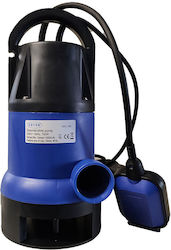
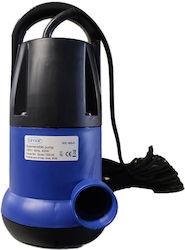
Waste Water / Sewage: Waste water / sewage pumps are used for pumping and transferring waste water, sewage, and other liquids containing solids or particles.
Rainwater: Rainwater pumps are used for pumping rainwater.
Drilling: Borehole pumps are used for pumping water or other liquids from underground boreholes (water sources) to surfaces for various purposes, such as water supply, irrigation, and industrial applications
Well: They are designed to pump water from underground sources when the water is at a depth and are mainly used for water supply, irrigation, and other applications in areas that do not have easy access to surface water.
with Cutter: Accessories that chop or "cut" solid materials, such as organic waste or other particles, before they pass into the pump. They are mainly used in sewage or dirty water pumps, preventing clogging or damage to the system
Float switch: It is a mechanism that automatically controls the operation of the pump. When the water level reaches a predetermined height, the float activates the pump.
inox: Stainless steel pumps are suitable for drinking water, industrial applications, and seawater, ensuring long-lasting durability and high resistance in challenging operating conditions.
Vortex System: It uses vortex technology to create a rotating water current, which helps in the efficient transfer of water, even when it contains particles or solids. Suitable for applications in industrial or construction environments
Shallow Suction: This feature allows the pump to suck water from an extremely low level (up to 1–3 mm), making it ideal for flooded floors and basements.
Electronic Level Sensor: It automatically activates the pump without the classic hanging float switch. It is ideal for narrow spaces and pits.
Electric: The power supply refers to the pump's need for electrical energy from an external power source, such as single-phase or three-phase electricity.
Battery-powered: Allows the pump to operate independently using batteries (e.g., 12V or 24V), and is ideal for applications without a fixed electrical connection. Additionally, it can be combined with solar energy