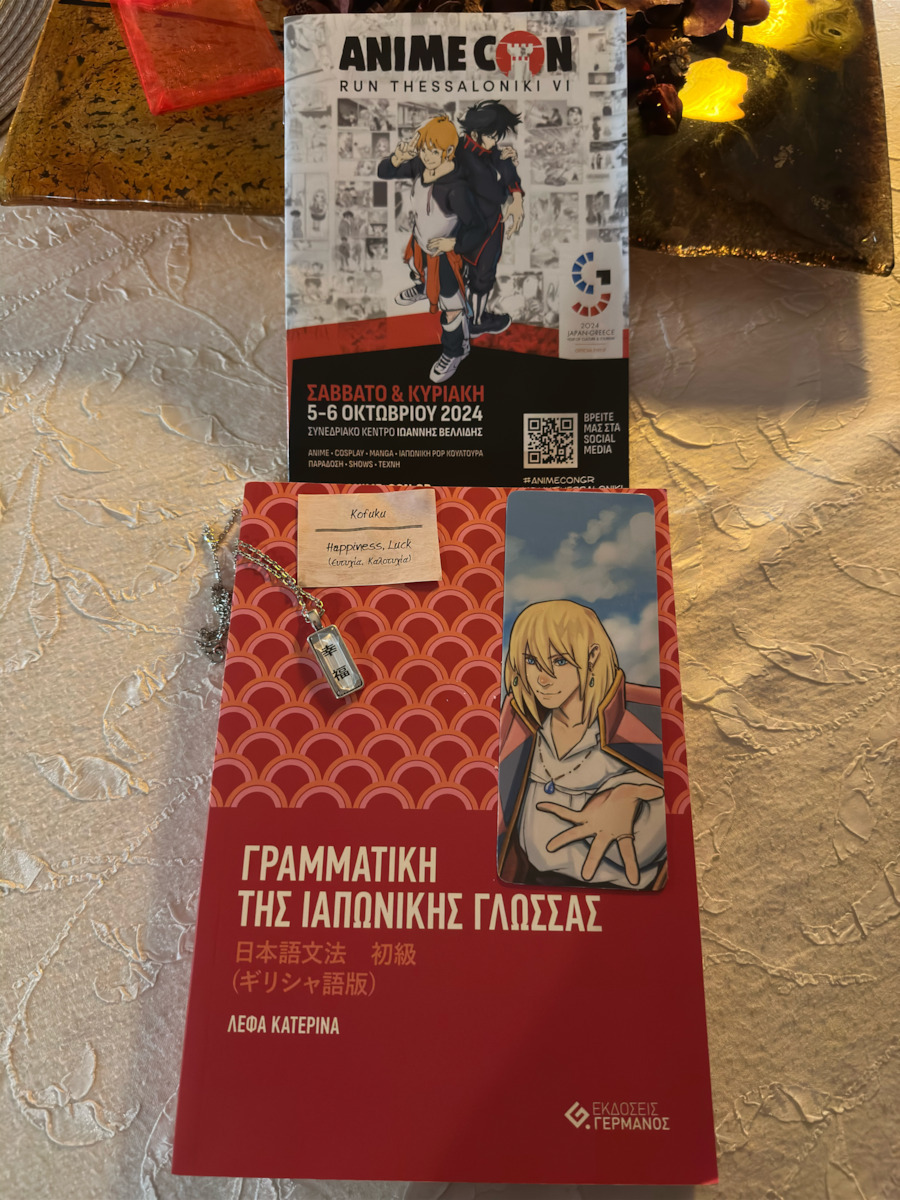
This book aims to facilitate students of the Japanese language in understanding basic Japanese grammar and to bridge the differences that exist between the two languages. It serves as a practical aid...
This book aims to facilitate students of the Japanese language in understanding basic Japanese grammar and to bridge the differences that exist between the two languages. It serves as a practical aid for students who are beginning their study of the Japanese language and covers the grammar taught at the beginner level.
This book aims to facilitate students of the Japanese language in understanding basic Japanese grammar and to bridge the differences that exist between the two languages. It serves as a practical aid for students who are beginning their study of the Japanese language and covers the grammar taught at the beginner level.
Specifications are collected from official manufacturer websites. Please verify the specifications before proceeding with your final purchase. If you notice any problem you can report it here.
The book is very good. It contains examples and exercises that help a lot in understanding what it teaches. At the end of the book, there are the hiragana and katakana scripts for those who do not know them to study. You need to learn them first in order to be able to read it.
There are some typographical errors and some in the Greek translation.
I suggest you buy both the Greek-Japanese and Japanese-Greek Dictionary by Vasilis Korakianitis. It will help you a lot in learning the Japanese language.
Το βιβλίο είναι πολύ καλό. Περιέχει παράδειγμα και ασκήσεις που βοηθούν πολύ στην κατανόηση των όσων διδάσκει. Στο τέλος του βιβλίου υπάρχουν οι γραφές χιραγκάνα και κατακάνα για να τις μελετήσουν όσοι δεν τις γνωρίζουν. Πρέπει να τις μάθετε πρώτα για να μπορέσετε να το διαβάσετε.
Υπάρχουν κάποια τυπογραφικά λάθη και κάποια στην ελληνική μετάφραση.
Προτείνω να αγοράσετε και το Ελληνο-Ιαπωνικό και Ιαπωνο-Ελληνικό Λεξικό του Βασίλη Κορακιανίτη. Θα σας βοηθήσει πολύ στην εκμάθηση της ιαπωνικής γλώσσας.
Review Revision – A positive start with significant room for improvement
I am returning to my initial review to revise the opinion I had expressed as the first reviewer of this book on Skroutz. I believe that the existence of Greek-language manuals for Japanese grammar, especially with an emphasis on beginner students, is a particularly positive step. Ms. Lefa’s book serves this purpose, offering a good starting point for those taking their first steps.
However, as is the case with several publications, there are errors of varying severity — from simple typographical ones to more serious ones, which may hinder understanding or even cause confusion. Additionally, the solutions to the exercises contain mistakes that may mislead the reader.
Overall, the book could serve as a supportive tool for students who have guidance from an instructor, particularly in the context of organized teaching. However, I would not recommend it to complete beginners or self-taught learners, as the existing errors require a minimum level of language experience to be identified and to avoid misinterpretations.
Αναθεώρηση κριτικής – Ένα θετικό ξεκίνημα με σημαντικά περιθώρια βελτίωσης
Επανέρχομαι στην αρχική μου κριτική για να αναθεωρήσω τη γνώμη που είχα διατυπώσει ως πρώτος αξιολογητής του παρόντος βιβλίου στο Skroutz. Πιστεύω ότι η ύπαρξη ελληνόγλωσσων εγχειριδίων για την ιαπωνική γραμματική, ειδικά με έμφαση στους αρχάριους μαθητές, αποτελεί ένα ιδιαίτερα θετικό βήμα. Το βιβλίο της κ. Λέφα ανταποκρίνεται σε αυτόν τον σκοπό, προσφέροντας μια καλή αφετηρία για όσους κάνουν τα πρώτα τους βήματα.
Ωστόσο, όπως συμβαίνει με αρκετές εκδόσεις, παρουσιάζονται λάθη ποικίλης βαρύτητας — από απλά τυπογραφικά έως πιο σοβαρά, τα οποία ενδέχεται να δυσχεραίνουν την κατανόηση ή ακόμη και να προκαλέσουν σύγχυση. Επιπλέον, οι λύσεις των ασκήσεων περιέχουν σφάλματα που ενδέχεται να παραπλανήσουν τον αναγνώστη.
Σε γενικές γραμμές, το βιβλίο θα μπορούσε να αποτελέσει ένα υποστηρικτικό εργαλείο για μαθητές που έχουν καθοδήγηση από διδάσκοντα, ιδιαίτερα στο πλαίσιο οργανωμένης διδασκαλίας. Ωστόσο, δεν θα το συνιστούσα σε εντελώς αρχάριους ή αυτοδίδακτους, καθώς τα υφιστάμενα λάθη απαιτούν ένα ελάχιστο επίπεδο γλωσσικής εμπειρίας για να εντοπιστούν και να μην οδηγήσουν σε παρερμηνείες.
The book is very good. It contains examples and exercises that help a lot in understanding what it teaches. At the end of the book, there are the hiragana and katakana scripts for those who do not know them to study. You need to learn them first in order to be able to read it.
There are some typographical errors and some in the Greek translation.
I suggest you buy both the Greek-Japanese and Japanese-Greek Dictionary by Vasilis Korakianitis. It will help you a lot in learning the Japanese language.
Το βιβλίο είναι πολύ καλό. Περιέχει παράδειγμα και ασκήσεις που βοηθούν πολύ στην κατανόηση των όσων διδάσκει. Στο τέλος του βιβλίου υπάρχουν οι γραφές χιραγκάνα και κατακάνα για να τις μελετήσουν όσοι δεν τις γνωρίζουν. Πρέπει να τις μάθετε πρώτα για να μπορέσετε να το διαβάσετε.
Υπάρχουν κάποια τυπογραφικά λάθη και κάποια στην ελληνική μετάφραση.
Προτείνω να αγοράσετε και το Ελληνο-Ιαπωνικό και Ιαπωνο-Ελληνικό Λεξικό του Βασίλη Κορακιανίτη. Θα σας βοηθήσει πολύ στην εκμάθηση της ιαπωνικής γλώσσας.
Review Revision – A positive start with significant room for improvement
I am returning to my initial review to revise the opinion I had expressed as the first reviewer of this book on Skroutz. I believe that the existence of Greek-language manuals for Japanese grammar, especially with an emphasis on beginner students, is a particularly positive step. Ms. Lefa’s book serves this purpose, offering a good starting point for those taking their first steps.
However, as is the case with several publications, there are errors of varying severity — from simple typographical ones to more serious ones, which may hinder understanding or even cause confusion. Additionally, the solutions to the exercises contain mistakes that may mislead the reader.
Overall, the book could serve as a supportive tool for students who have guidance from an instructor, particularly in the context of organized teaching. However, I would not recommend it to complete beginners or self-taught learners, as the existing errors require a minimum level of language experience to be identified and to avoid misinterpretations.
Αναθεώρηση κριτικής – Ένα θετικό ξεκίνημα με σημαντικά περιθώρια βελτίωσης
Επανέρχομαι στην αρχική μου κριτική για να αναθεωρήσω τη γνώμη που είχα διατυπώσει ως πρώτος αξιολογητής του παρόντος βιβλίου στο Skroutz. Πιστεύω ότι η ύπαρξη ελληνόγλωσσων εγχειριδίων για την ιαπωνική γραμματική, ειδικά με έμφαση στους αρχάριους μαθητές, αποτελεί ένα ιδιαίτερα θετικό βήμα. Το βιβλίο της κ. Λέφα ανταποκρίνεται σε αυτόν τον σκοπό, προσφέροντας μια καλή αφετηρία για όσους κάνουν τα πρώτα τους βήματα.
Ωστόσο, όπως συμβαίνει με αρκετές εκδόσεις, παρουσιάζονται λάθη ποικίλης βαρύτητας — από απλά τυπογραφικά έως πιο σοβαρά, τα οποία ενδέχεται να δυσχεραίνουν την κατανόηση ή ακόμη και να προκαλέσουν σύγχυση. Επιπλέον, οι λύσεις των ασκήσεων περιέχουν σφάλματα που ενδέχεται να παραπλανήσουν τον αναγνώστη.
Σε γενικές γραμμές, το βιβλίο θα μπορούσε να αποτελέσει ένα υποστηρικτικό εργαλείο για μαθητές που έχουν καθοδήγηση από διδάσκοντα, ιδιαίτερα στο πλαίσιο οργανωμένης διδασκαλίας. Ωστόσο, δεν θα το συνιστούσα σε εντελώς αρχάριους ή αυτοδίδακτους, καθώς τα υφιστάμενα λάθη απαιτούν ένα ελάχιστο επίπεδο γλωσσικής εμπειρίας για να εντοπιστούν και να μην οδηγήσουν σε παρερμηνείες.
This book aims to facilitate students of the Japanese language in understanding basic Japanese grammar and to bridge the differences that exist between the two languages. It serves as a practical aid for students who are beginning their study of the Japanese language and covers the grammar taught at the beginner level.
Specifications are collected from official manufacturer websites. Please verify the specifications before proceeding with your final purchase. If you notice any problem you can report it here.
The book is very good. It contains examples and exercises that help a lot in understanding what it teaches. At the end of the book, there are the hiragana and katakana scripts for those who do not know them to study. You need to learn them first in order to be able to read it.
There are some typographical errors and some in the Greek translation.
I suggest you buy both the Greek-Japanese and Japanese-Greek Dictionary by Vasilis Korakianitis. It will help you a lot in learning the Japanese language.
Το βιβλίο είναι πολύ καλό. Περιέχει παράδειγμα και ασκήσεις που βοηθούν πολύ στην κατανόηση των όσων διδάσκει. Στο τέλος του βιβλίου υπάρχουν οι γραφές χιραγκάνα και κατακάνα για να τις μελετήσουν όσοι δεν τις γνωρίζουν. Πρέπει να τις μάθετε πρώτα για να μπορέσετε να το διαβάσετε.
Υπάρχουν κάποια τυπογραφικά λάθη και κάποια στην ελληνική μετάφραση.
Προτείνω να αγοράσετε και το Ελληνο-Ιαπωνικό και Ιαπωνο-Ελληνικό Λεξικό του Βασίλη Κορακιανίτη. Θα σας βοηθήσει πολύ στην εκμάθηση της ιαπωνικής γλώσσας.
Review Revision – A positive start with significant room for improvement
I am returning to my initial review to revise the opinion I had expressed as the first reviewer of this book on Skroutz. I believe that the existence of Greek-language manuals for Japanese grammar, especially with an emphasis on beginner students, is a particularly positive step. Ms. Lefa’s book serves this purpose, offering a good starting point for those taking their first steps.
However, as is the case with several publications, there are errors of varying severity — from simple typographical ones to more serious ones, which may hinder understanding or even cause confusion. Additionally, the solutions to the exercises contain mistakes that may mislead the reader.
Overall, the book could serve as a supportive tool for students who have guidance from an instructor, particularly in the context of organized teaching. However, I would not recommend it to complete beginners or self-taught learners, as the existing errors require a minimum level of language experience to be identified and to avoid misinterpretations.
Αναθεώρηση κριτικής – Ένα θετικό ξεκίνημα με σημαντικά περιθώρια βελτίωσης
Επανέρχομαι στην αρχική μου κριτική για να αναθεωρήσω τη γνώμη που είχα διατυπώσει ως πρώτος αξιολογητής του παρόντος βιβλίου στο Skroutz. Πιστεύω ότι η ύπαρξη ελληνόγλωσσων εγχειριδίων για την ιαπωνική γραμματική, ειδικά με έμφαση στους αρχάριους μαθητές, αποτελεί ένα ιδιαίτερα θετικό βήμα. Το βιβλίο της κ. Λέφα ανταποκρίνεται σε αυτόν τον σκοπό, προσφέροντας μια καλή αφετηρία για όσους κάνουν τα πρώτα τους βήματα.
Ωστόσο, όπως συμβαίνει με αρκετές εκδόσεις, παρουσιάζονται λάθη ποικίλης βαρύτητας — από απλά τυπογραφικά έως πιο σοβαρά, τα οποία ενδέχεται να δυσχεραίνουν την κατανόηση ή ακόμη και να προκαλέσουν σύγχυση. Επιπλέον, οι λύσεις των ασκήσεων περιέχουν σφάλματα που ενδέχεται να παραπλανήσουν τον αναγνώστη.
Σε γενικές γραμμές, το βιβλίο θα μπορούσε να αποτελέσει ένα υποστηρικτικό εργαλείο για μαθητές που έχουν καθοδήγηση από διδάσκοντα, ιδιαίτερα στο πλαίσιο οργανωμένης διδασκαλίας. Ωστόσο, δεν θα το συνιστούσα σε εντελώς αρχάριους ή αυτοδίδακτους, καθώς τα υφιστάμενα λάθη απαιτούν ένα ελάχιστο επίπεδο γλωσσικής εμπειρίας για να εντοπιστούν και να μην οδηγήσουν σε παρερμηνείες.
The book is very good. It contains examples and exercises that help a lot in understanding what it teaches. At the end of the book, there are the hiragana and katakana scripts for those who do not know them to study. You need to learn them first in order to be able to read it.
There are some typographical errors and some in the Greek translation.
I suggest you buy both the Greek-Japanese and Japanese-Greek Dictionary by Vasilis Korakianitis. It will help you a lot in learning the Japanese language.
Το βιβλίο είναι πολύ καλό. Περιέχει παράδειγμα και ασκήσεις που βοηθούν πολύ στην κατανόηση των όσων διδάσκει. Στο τέλος του βιβλίου υπάρχουν οι γραφές χιραγκάνα και κατακάνα για να τις μελετήσουν όσοι δεν τις γνωρίζουν. Πρέπει να τις μάθετε πρώτα για να μπορέσετε να το διαβάσετε.
Υπάρχουν κάποια τυπογραφικά λάθη και κάποια στην ελληνική μετάφραση.
Προτείνω να αγοράσετε και το Ελληνο-Ιαπωνικό και Ιαπωνο-Ελληνικό Λεξικό του Βασίλη Κορακιανίτη. Θα σας βοηθήσει πολύ στην εκμάθηση της ιαπωνικής γλώσσας.
Review Revision – A positive start with significant room for improvement
I am returning to my initial review to revise the opinion I had expressed as the first reviewer of this book on Skroutz. I believe that the existence of Greek-language manuals for Japanese grammar, especially with an emphasis on beginner students, is a particularly positive step. Ms. Lefa’s book serves this purpose, offering a good starting point for those taking their first steps.
However, as is the case with several publications, there are errors of varying severity — from simple typographical ones to more serious ones, which may hinder understanding or even cause confusion. Additionally, the solutions to the exercises contain mistakes that may mislead the reader.
Overall, the book could serve as a supportive tool for students who have guidance from an instructor, particularly in the context of organized teaching. However, I would not recommend it to complete beginners or self-taught learners, as the existing errors require a minimum level of language experience to be identified and to avoid misinterpretations.
Αναθεώρηση κριτικής – Ένα θετικό ξεκίνημα με σημαντικά περιθώρια βελτίωσης
Επανέρχομαι στην αρχική μου κριτική για να αναθεωρήσω τη γνώμη που είχα διατυπώσει ως πρώτος αξιολογητής του παρόντος βιβλίου στο Skroutz. Πιστεύω ότι η ύπαρξη ελληνόγλωσσων εγχειριδίων για την ιαπωνική γραμματική, ειδικά με έμφαση στους αρχάριους μαθητές, αποτελεί ένα ιδιαίτερα θετικό βήμα. Το βιβλίο της κ. Λέφα ανταποκρίνεται σε αυτόν τον σκοπό, προσφέροντας μια καλή αφετηρία για όσους κάνουν τα πρώτα τους βήματα.
Ωστόσο, όπως συμβαίνει με αρκετές εκδόσεις, παρουσιάζονται λάθη ποικίλης βαρύτητας — από απλά τυπογραφικά έως πιο σοβαρά, τα οποία ενδέχεται να δυσχεραίνουν την κατανόηση ή ακόμη και να προκαλέσουν σύγχυση. Επιπλέον, οι λύσεις των ασκήσεων περιέχουν σφάλματα που ενδέχεται να παραπλανήσουν τον αναγνώστη.
Σε γενικές γραμμές, το βιβλίο θα μπορούσε να αποτελέσει ένα υποστηρικτικό εργαλείο για μαθητές που έχουν καθοδήγηση από διδάσκοντα, ιδιαίτερα στο πλαίσιο οργανωμένης διδασκαλίας. Ωστόσο, δεν θα το συνιστούσα σε εντελώς αρχάριους ή αυτοδίδακτους, καθώς τα υφιστάμενα λάθη απαιτούν ένα ελάχιστο επίπεδο γλωσσικής εμπειρίας για να εντοπιστούν και να μην οδηγήσουν σε παρερμηνείες.