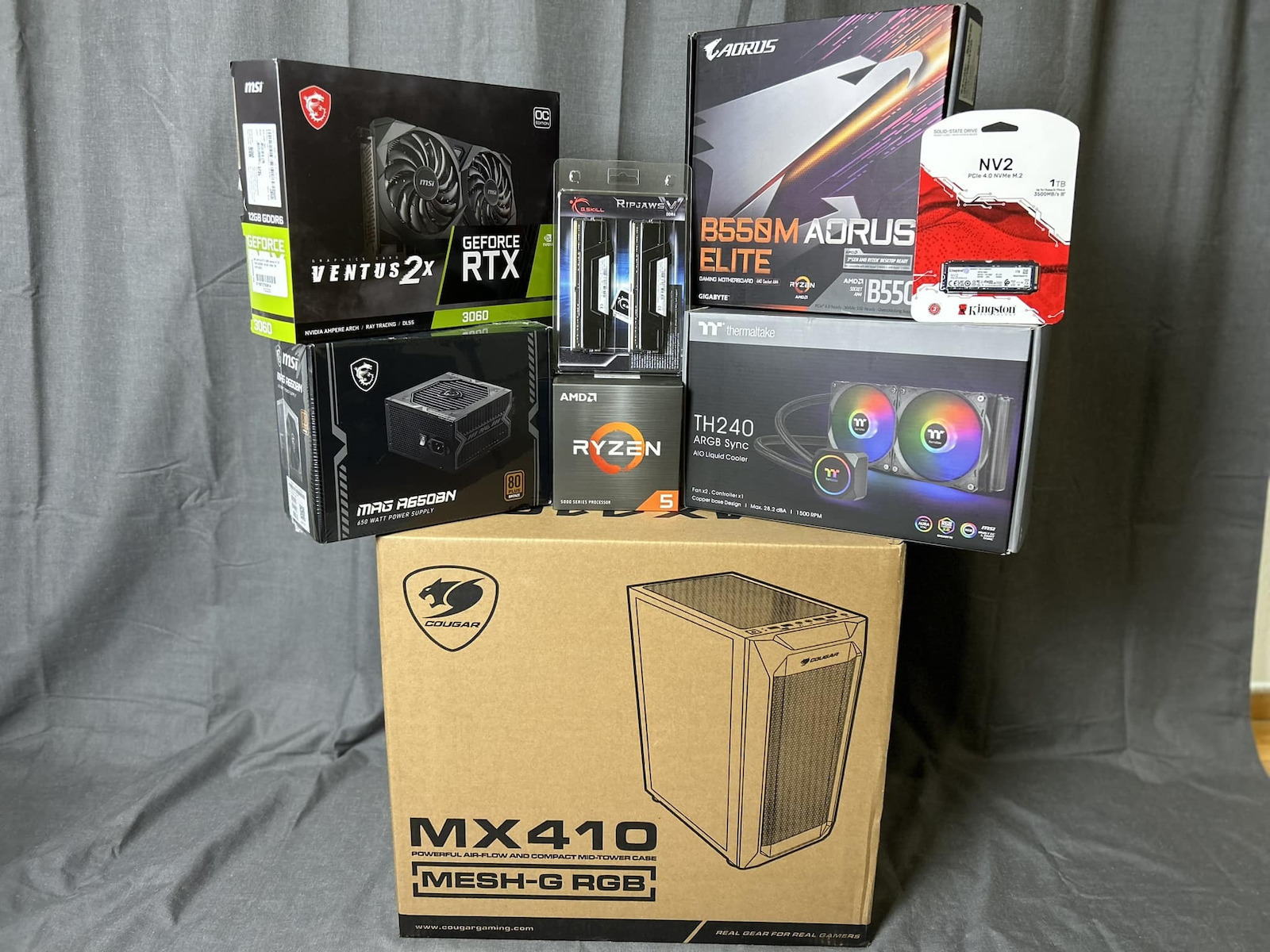
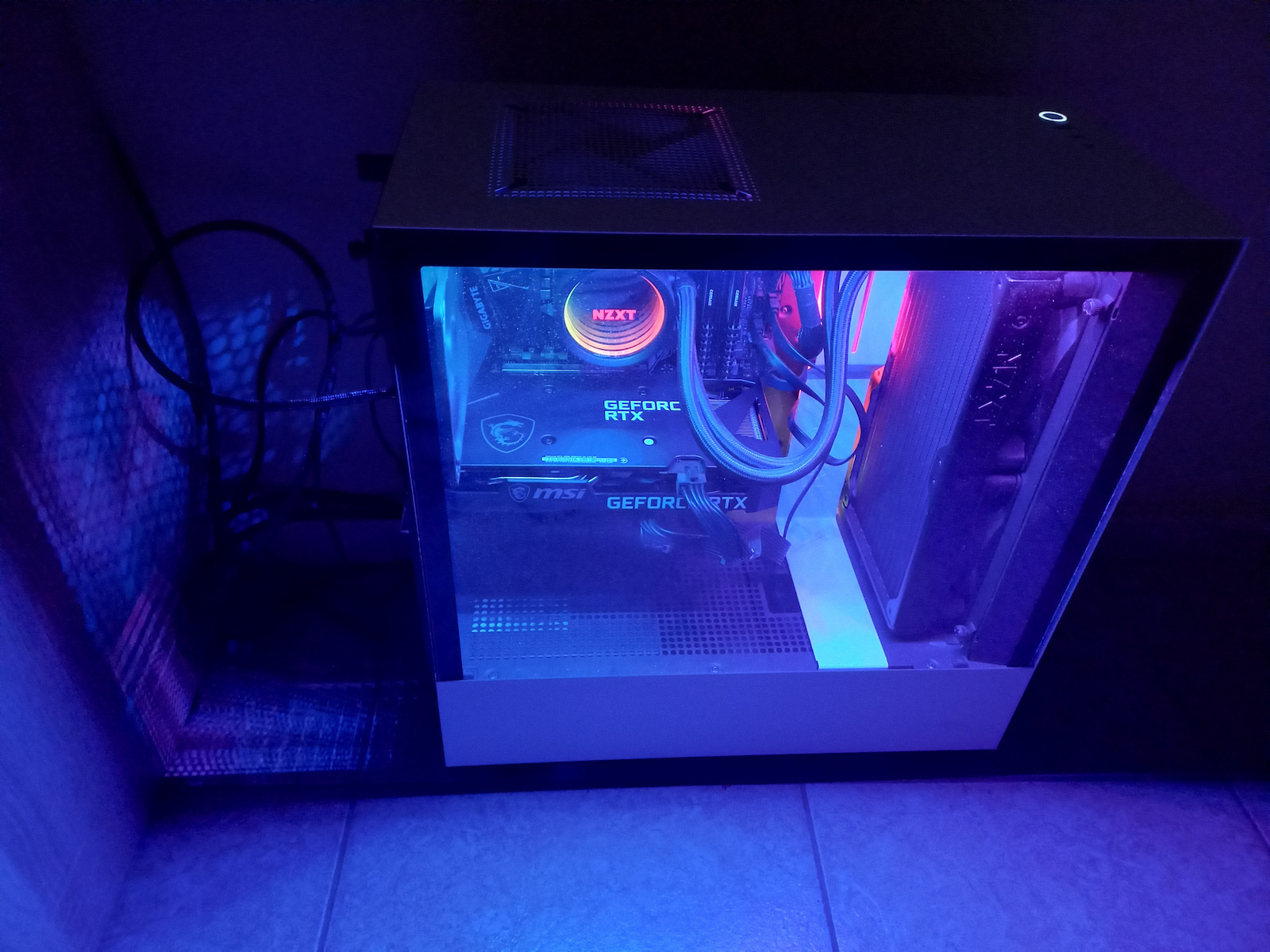
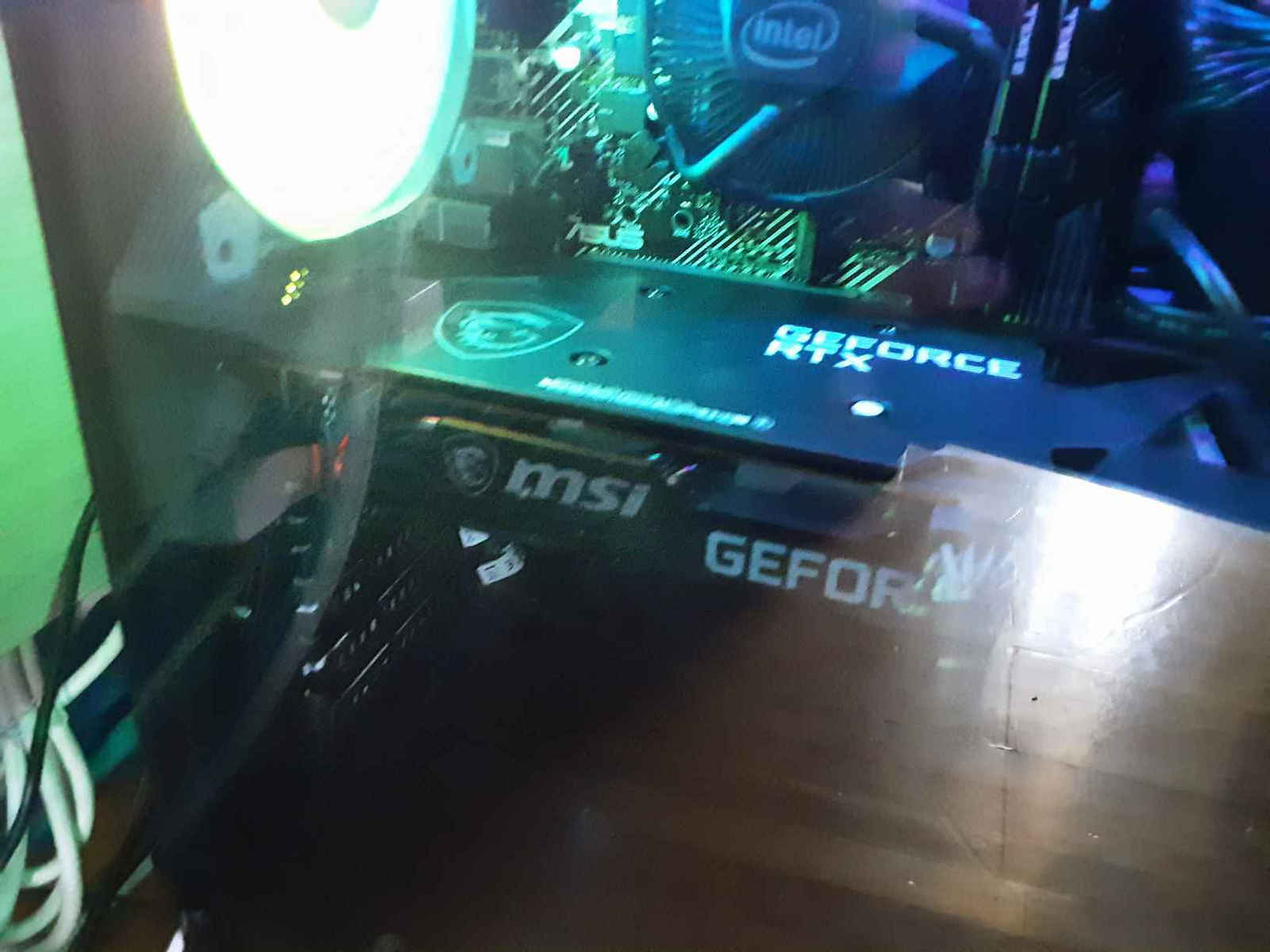
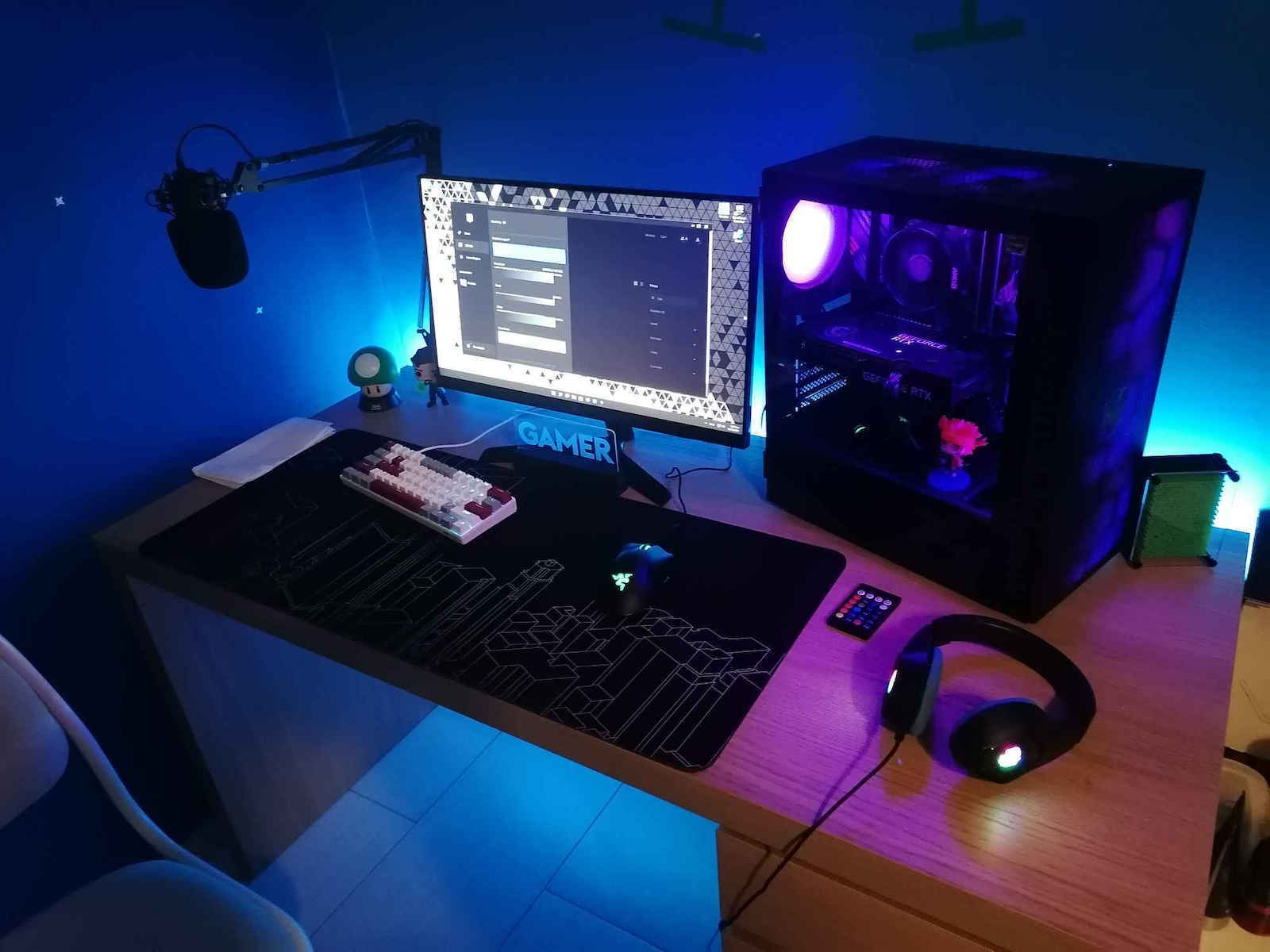
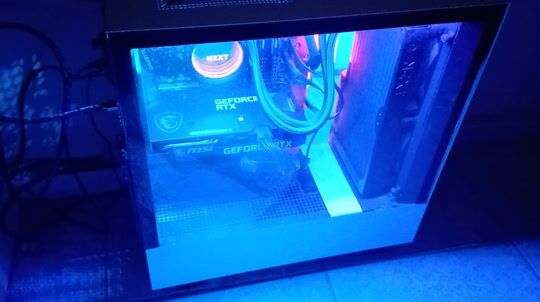
It was purchased about a month ago and replaced an MSI 1650 Gaming-x (4gb ddr5), whose cooling was a bit overkill. This time I chose this particular implementation of MSI as I noticed that MSI has closed the gap between the Ventus and Gaming-X implementations in terms of performance (see msi 1650&3060 Ventus vs Gaming-x), but it has also closed the gap in the cooling system of these cards (as correctly pointed out by user "SmyrNeoS"), so I chose not to go for the more expensive implementation. If for professional reasons I needed a more expensive and capable card, e.g. 4070, 3080 and above, only then would I avoid 2X and Ventus implementations.
This card is an entry-level card for machine learning (for beginners), 2K gaming with the current data (and of course for those interested in using the various AI apps that Nvidia has already developed).
The 12gb ddr6 vram it has can give it an advantage over cards with slightly higher power with 8gb vram in scenarios such as machine learning, photo/video editing (hi-res textures, complex effects, or multiple layers), video games that were released hastily with poor-moderate optimization (something that unfortunately seems to be becoming fashionable), etc., as the 8gb vram can in some cases cause lower performance, stuttering, or even crashes depending on the scenario.
The 16 lanes it has (PCI Express x16 4.0) affect its performance less (up to much less in some cases) compared to cards that use 8 lanes (PCI Express x8 4.0) in combination with motherboards and/or CPUs that support up to PCI-Express 3.0.
In terms of noise and temperatures, the card (based on the office use I often give it, room temperature of 25 °C, and the satisfactory airflow of my case) operates most of the time silently and its cooling is passive with its fans remaining off (similarly to the 1650 gaming-x, where the GPU connection to the motherboard entered the PCI Express x16 1.1 profile for energy saving and passive cooling). For example:
In typical office application usage, temperatures range from 37-44 °C.
In gaming mode (e.g. RDR2 ultra 1080p), temperatures range around 66 °C.
At the price of 280 euros it was purchased, it is a fairly balanced choice for upgrading a 3-year-old "AM4" system (R5 3600, B450 Tomahawk Max).
Αγοράστηκε περίπου πριν ένα μήνα και αντικατέστησε μια MSI 1650 Gaming-x (4gb ddr5) της οποίας η ψύξη ήταν λιγάκι overkill. Αυτή τη φορά επέλεξα την συγκεκριμένη υλοποίηση της MSI καθώς παρατήρησα ότι η MSI έχει κλείσει αρκετά την ψαλίδα μεταξύ των Ventus και των Gaming-X υλοποιήσεων της σε επιδόσεις (δείτε msi 1650&3060 Ventus vs Gaming-χ) αλλά επίσης έχει κλείσει και την ψαλίδα και στo σύστημα ψύξης των καρτών αυτης της κατηγορίας (όπως σωστά επισήμανε ο χρήστης "SmyrNeoS"), οπότε επέλεξα να μην πάω στην πιό ακριβή υλοποίηση. Αν για επαγγελματικούς λόγους χρειαζόμουν μια πιό ακριβή και ικανή κάρτα π.χ. 4070, 3080 και πάνω, μόνο τότε θα απεφευγα υλοποιήσεις τύπου 2X και Ventus.
Η συγκεκριμένη κάρτα αποτελεί μία entry κάρτα για machine learning (για αρχάριους), 2Κ gaming με τα μέχρι τώρα δεδομένα (και φυσικά για όσους ενδοιαφέρονται για χρήση των διαφόρων AI apps που ήδη έχει και αναπτύσει η Nvidia).
Τα 12gb ddr6 vram που έχει μπορεί να της δώσει ένα πλεονέκτημα έναντι καρτών λίγο μεγαλύτερης ισχύος με 8gb vram σε σενάρια όπως machine learning, photo/video editing (hi-res textures ,complex effects, or multiple layers), video games τα οποία κυκλοφόρησαν βιαστικά με κακό-μέτριο optimization (κάτι το οποίο δυστυχώς φαίνεται να γίνεται της μόδας) κ.τ.λ. , καθώς τα 8gb vram μπορούν σε ορισμένες περιπτώσεις να προκαλέσουν χαμηλότερες επιδόσεις, stuttering ή και κρασαρίσματα αναλόγως με το σενάριο.
Τα 16 lanes που έχει (PCI Express x16 4.0) επηρρεάζουν λιγότερο (έως και πολύ λιγότερο σε ορισμένες περιπτώσεις) την απόδοση της, σε σχέση με κάρτες οι οποίες χρησιμοποιούν 8 lanes (PCI Express x8 4.0) σε συνδυασμό με motherbords ή/και cpus που υποστηρίζουν έως PCI-Express 3.0.
Από θέμα θορύβου και θερμοκρασιών η κάρτα (με βάση την χρήση γραφείου που συχνά της κάνω, την θερμοκρασία του δωματίου 25 °C και το ικανοποιητικό airflow που έχει το case μου) λειτουργεί την περισσότερη ώρα, αθόρυβα και η ψύξη της είναι παθητική με τους ανεμηστήρες της να μένουν σβηστοί (παρομοίως δλδ με την 1650 gaming-x, όπου και εκεί η σύνδεση της GPU με την motherboard έμπαινε σε προφίλ PCI Express x16 1.1 για λόγους εξοικονόμοισης ενέργειας και ψύξη σε παθητική λειτουργία). Ενδεικτικά:
Σε κατάσταση χρήσης τυπικών εφαρμογών γραφείου οι θερμοκρασίες κυμαίνονται στούς 37-44 °C.
Σε κατάσταση gaming (π.χ. RDR2 ultra 1080p) οι θερμοκρασίες κυμαίνονται γύρω στούς 66 °C.
Στα 280 ευρώ που αγοράστηκε αποτελεί μιά αρκετά ισορρόπημένη επιλογή για αναβάθμιση ενός "ΑΜ4" σύστηματος 3ετίας (R5 3600, B450 Tomahawk Max).