Between the 15th and 13th centuries BC, the Hittite kingdom was one of the most significant in the Near East, as it controlled a large part of Asia Minor and northern Syria. It maintained close...
Between the 15th and 13th centuries BC, the Hittite kingdom was one of the most significant in the Near East, as it controlled a large part of Asia Minor and northern Syria. It maintained close diplomatic relations with all the powerful kingdoms of the time, while dozens of thousands of tablets were discovered in its capital, which offer us a wealth of...
Did the Trojan War actually happen? And who won? Was it perhaps a figment of imagination: a fictional narrative for the receptive ears of a world emerging from the great crisis of the collapse of the Mycenaean palatial civilization (around 1200 BC) in the 8th century BC, needing to invent a fantastic heroic past as a central point of reference to lean on and restart? Or was it—regardless of any crisis—simply the moment when the Greek populations, who evolved in the Greek space after the arrival (or not) of the so-called Proto-Greeks (mentioned in the "Catalogue of Ships" of Homer's Iliad), constructed a fictional, common (and heroic) past, transitioning from the social stage of the household to the phase of the community? Was it merely the fantasies of newly formed elites to lend prestige to their position in a reshaping environment? Or are we ultimately talking about true stories as they were recorded in the memory of people?
Ahhiyawa, which is now accepted to likely refer to a political, geographical, and ethnological designation concerning the Achaeans, along with some names that refer to characters from the Homeric era, such as Atreus or Atreides/Attarissiya, Eteocles/Tawagalawa, possibly Agamemnon/Akagamuna and Alexander/Alaksandu (Paris of Troy), as well as the mentioned dispute with Wilusa (Ilium/Troy) over a dowry from a marriage, are presented among other things in Hittite state records dating from the 15th to the 13th century BC.
Following the archaeological findings at the Hisarlik hill in Northwestern Asia Minor (Turkey), the records of the Hittites seem to confirm the existence of at least one historical core in the Homeric epics. Of course, given that even then official state records were not shy of political expediency, and due to the current lack of more tangible archaeological evidence, along with the valid counterarguments of scientists and researchers, our conclusions must be extremely cautious regarding what really happened, if it happened, where exactly it happened, and how it happened, concerning the Homeric Trojan War.
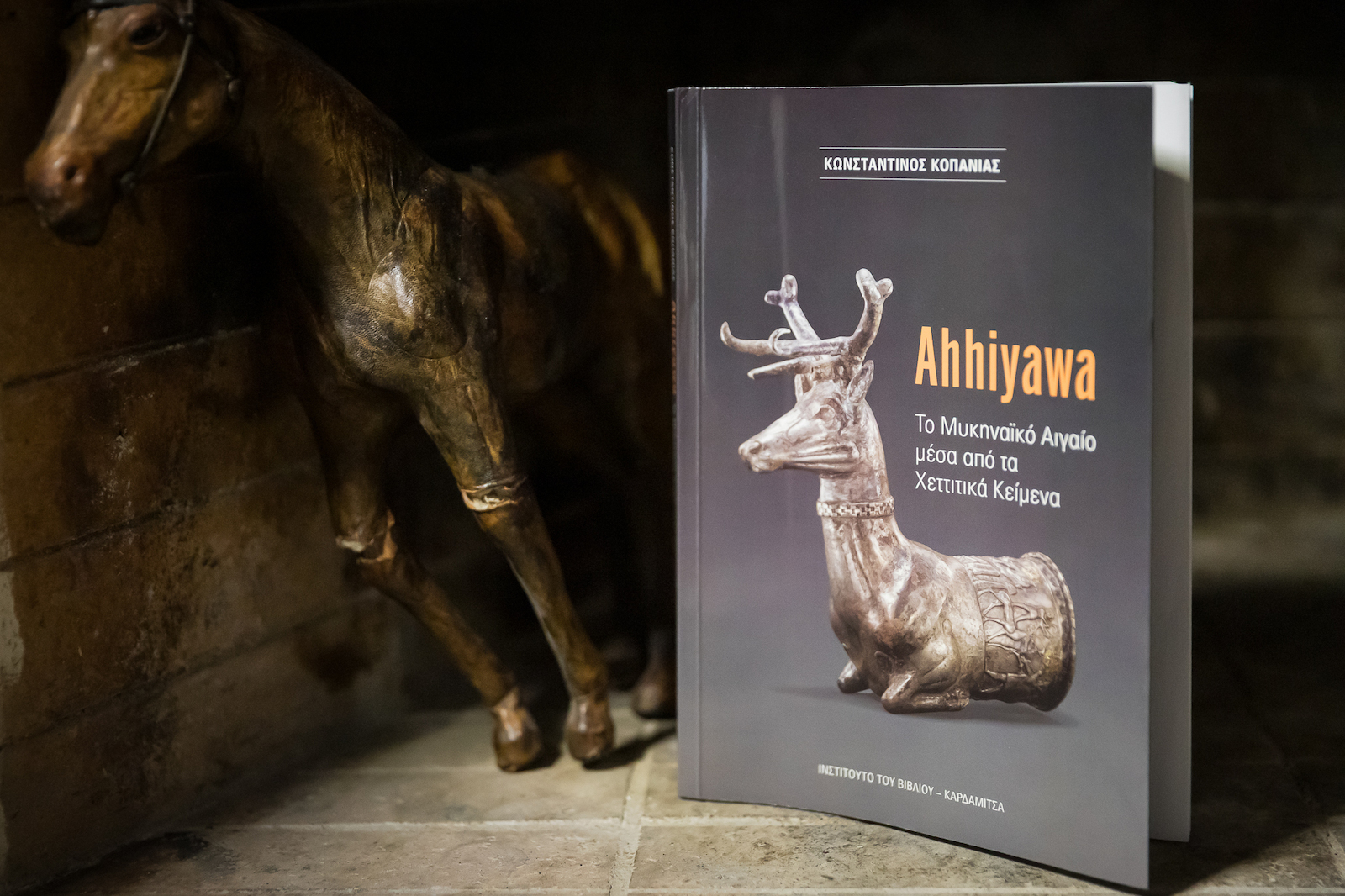
The exceptional work of archaeologist and professor Konstantinos Kapanias on Hittite texts sheds light on the military and political events along the coasts of western Asia Minor in which the Achaeans were involved. Up to that point. The relationship of all this with the Homeric Trojan War or with the "Trojan Wars" remains at the level of research. In any case, historical accuracy should not be the primary concern in the timeless literary, philological, psychological, political, and philosophical value that the Homeric epics hold.
Tελικά έγινε ο Τρωικός πόλεμος; Και ποιος νίκησε; Μήπως ήταν ένα αποκύημα της φαντασίας: μια φανταστική διήγηση για τα ευήκοα ώτα ενός κόσμου που τον 8ο αιώνα π.Χ. έβγαινε από τη μεγάλη κρίση της κατάρρευσης του Μυκηναϊκού ανακτορισμού (περίπου το 1200 π.Χ.) και είχε την ανάγκη να εφεύρει ένα φανταστικό ηρωικό παρελθόν ως κεντρικό σημείο αναφοράς, για να στηριχτεί επάνω του και να επανακκινήσει; Ή μήπως ήταν - ανεξαρτήτως οποιασδήποτε κρίσης - απλά η στιγμή που οι ελληνικοί πληθυσμοί, οι οποίοι εξελίχθηκαν στον ελλαδικό χώρο μετά στην άφιξη (ή όχι) των λεγόμενων Πρωτοελλήνων (και αναφέρονται στον «Κατάλογο των πλοίων» της ομηρικής Ιλιάδας), κατασκεύασαν ένα φανταστικό, κοινό (και ηρωικό) παρελθόν, περνόντας από το κοινωνικό στάδιο του οίκου στη φάση του δήμου; Μήπως ήταν απλά φαντασιώσεις των νεοσχηματισθέντων ελίτ για να προσδώσουν κύρος στη θέση τους σε ένα αναδιαμορφούμενο περιβάλλον; Ή μήπως εντέλει μιλάμε για αληθινές ιστορίες όπως είχαν αποτυπωθεί στη μνήμη των ανθρώπων;
Η Αχιγιάβα/Ahhiyawa, που πια είναι αποδεκτό ότι πιθανότατα πρόκειται για πολιτικό, γεωγραφικό αλλά και εθνολογικό προσδιορισμό και αφορά ενιαία στους Αχαιούς, μαζί με κάποια ονόματα που μας παραπέμπουν σε χαρακτήρες της ομηρικής εποχής, όπως του Ατρέα ή Ατρείδη/Attarissiya, του Ετεοκλή/Tawagalawa, πιθανώς του Αγαμέμνονα/Akagamuna και του Αλέξανδου/Alaksandu (Πάρις της Τροίας), καθώς και η αναφερόμενη διένεξη με τη Βιλούσα/Wilusa (Ίλιον/Τροία) για τη προίκα από έναν γάμο, παρουσιάζονται μεταξύ άλλων στα χεττικά κρατικά αρχεία που χρονολογούνται μεταξύ του 15ου και 13ου αιώνα π.Χ.
Μετά τα αρχαιολογικά ευρήματα στο λόφο Χισαρλίκ της ΒΔ Μικράς Ασίας (Τουρκία), τα αρχεία των Χετταίων δείχνουν να επιβεβαιώνουν την ύπαρξη τουλάχιστον ενός ιστορικού πυρήνα στα Ομηρικά έπη. Φυσικά, δεδομένου ότι ήδη από τότε οι επίσημες κρατικές καταγραφές δεν φείδονταν σε πολιτική σκοπιμότητα, αλλά και λόγω της έλλειψης, προς το παρών, περισσότερων απτών αρχαιολογικών στοιχείων, μαζί με τον βάσιμο αντίλογο επιστημόνων και ερευνητών, τα συμπεράσματα μας πρέπει να είναι εξαιρετικά προσεχτικά για το τι πραγματικά έγινε, εάν έγινε, που ακριβώς έγινε και πως έγινε, όσον αφορά στον ομηρικό Τρωικό πόλεμο.
Η εξαιρετική δουλειά του αρχαιολόγου και καθηγητή Κωνσταντίνου Κοπανιά επάνω στα χεττικά κείμενα φωτίζει τα πολεμικά και πολιτικά τεκταινόμενα στα παράλια της δυτικής Μικράς Ασίας στα οποία εμπλέκονταν οι Αχαιοί. Μέχρι εκεί. Η σχέση όλων αυτών με τον ομηρικό Τρωικό πόλεμο ή με τους «τρωικούς πολέμους» παραμένει στο επίπεδο της έρευνας. Σε κάθε περίπτωση, η ιστορική ακρίβεια δεν πρέπει να αποτελεί το πρωτεύων στη διαχρονική λογοτεχνική, φιλολογική, ψυχολογική, πολιτι(σμι)κή και φιλοσοφική αξία που έχουν τα Ομηρικά έπη.
Did the Trojan War actually happen? And who won? Was it perhaps a figment of imagination: a fictional narrative for the receptive ears of a world emerging from the great crisis of the collapse of the Mycenaean palatial civilization (around 1200 BC) in the 8th century BC, needing to invent a fantastic heroic past as a central point of reference to lean on and restart? Or was it—regardless of any crisis—simply the moment when the Greek populations, who evolved in the Greek space after the arrival (or not) of the so-called Proto-Greeks (mentioned in the "Catalogue of Ships" of Homer's Iliad), constructed a fictional, common (and heroic) past, transitioning from the social stage of the household to the phase of the community? Was it merely the fantasies of newly formed elites to lend prestige to their position in a reshaping environment? Or are we ultimately talking about true stories as they were recorded in the memory of people?
Ahhiyawa, which is now accepted to likely refer to a political, geographical, and ethnological designation concerning the Achaeans, along with some names that refer to characters from the Homeric era, such as Atreus or Atreides/Attarissiya, Eteocles/Tawagalawa, possibly Agamemnon/Akagamuna and Alexander/Alaksandu (Paris of Troy), as well as the mentioned dispute with Wilusa (Ilium/Troy) over a dowry from a marriage, are presented among other things in Hittite state records dating from the 15th to the 13th century BC.
Following the archaeological findings at the Hisarlik hill in Northwestern Asia Minor (Turkey), the records of the Hittites seem to confirm the existence of at least one historical core in the Homeric epics. Of course, given that even then official state records were not shy of political expediency, and due to the current lack of more tangible archaeological evidence, along with the valid counterarguments of scientists and researchers, our conclusions must be extremely cautious regarding what really happened, if it happened, where exactly it happened, and how it happened, concerning the Homeric Trojan War.
The exceptional work of archaeologist and professor Konstantinos Kapanias on Hittite texts sheds light on the military and political events along the coasts of western Asia Minor in which the Achaeans were involved. Up to that point. The relationship of all this with the Homeric Trojan War or with the "Trojan Wars" remains at the level of research. In any case, historical accuracy should not be the primary concern in the timeless literary, philological, psychological, political, and philosophical value that the Homeric epics hold.
Tελικά έγινε ο Τρωικός πόλεμος; Και ποιος νίκησε; Μήπως ήταν ένα αποκύημα της φαντασίας: μια φανταστική διήγηση για τα ευήκοα ώτα ενός κόσμου που τον 8ο αιώνα π.Χ. έβγαινε από τη μεγάλη κρίση της κατάρρευσης του Μυκηναϊκού ανακτορισμού (περίπου το 1200 π.Χ.) και είχε την ανάγκη να εφεύρει ένα φανταστικό ηρωικό παρελθόν ως κεντρικό σημείο αναφοράς, για να στηριχτεί επάνω του και να επανακκινήσει; Ή μήπως ήταν - ανεξαρτήτως οποιασδήποτε κρίσης - απλά η στιγμή που οι ελληνικοί πληθυσμοί, οι οποίοι εξελίχθηκαν στον ελλαδικό χώρο μετά στην άφιξη (ή όχι) των λεγόμενων Πρωτοελλήνων (και αναφέρονται στον «Κατάλογο των πλοίων» της ομηρικής Ιλιάδας), κατασκεύασαν ένα φανταστικό, κοινό (και ηρωικό) παρελθόν, περνόντας από το κοινωνικό στάδιο του οίκου στη φάση του δήμου; Μήπως ήταν απλά φαντασιώσεις των νεοσχηματισθέντων ελίτ για να προσδώσουν κύρος στη θέση τους σε ένα αναδιαμορφούμενο περιβάλλον; Ή μήπως εντέλει μιλάμε για αληθινές ιστορίες όπως είχαν αποτυπωθεί στη μνήμη των ανθρώπων;
Η Αχιγιάβα/Ahhiyawa, που πια είναι αποδεκτό ότι πιθανότατα πρόκειται για πολιτικό, γεωγραφικό αλλά και εθνολογικό προσδιορισμό και αφορά ενιαία στους Αχαιούς, μαζί με κάποια ονόματα που μας παραπέμπουν σε χαρακτήρες της ομηρικής εποχής, όπως του Ατρέα ή Ατρείδη/Attarissiya, του Ετεοκλή/Tawagalawa, πιθανώς του Αγαμέμνονα/Akagamuna και του Αλέξανδου/Alaksandu (Πάρις της Τροίας), καθώς και η αναφερόμενη διένεξη με τη Βιλούσα/Wilusa (Ίλιον/Τροία) για τη προίκα από έναν γάμο, παρουσιάζονται μεταξύ άλλων στα χεττικά κρατικά αρχεία που χρονολογούνται μεταξύ του 15ου και 13ου αιώνα π.Χ.
Μετά τα αρχαιολογικά ευρήματα στο λόφο Χισαρλίκ της ΒΔ Μικράς Ασίας (Τουρκία), τα αρχεία των Χετταίων δείχνουν να επιβεβαιώνουν την ύπαρξη τουλάχιστον ενός ιστορικού πυρήνα στα Ομηρικά έπη. Φυσικά, δεδομένου ότι ήδη από τότε οι επίσημες κρατικές καταγραφές δεν φείδονταν σε πολιτική σκοπιμότητα, αλλά και λόγω της έλλειψης, προς το παρών, περισσότερων απτών αρχαιολογικών στοιχείων, μαζί με τον βάσιμο αντίλογο επιστημόνων και ερευνητών, τα συμπεράσματα μας πρέπει να είναι εξαιρετικά προσεχτικά για το τι πραγματικά έγινε, εάν έγινε, που ακριβώς έγινε και πως έγινε, όσον αφορά στον ομηρικό Τρωικό πόλεμο.
Η εξαιρετική δουλειά του αρχαιολόγου και καθηγητή Κωνσταντίνου Κοπανιά επάνω στα χεττικά κείμενα φωτίζει τα πολεμικά και πολιτικά τεκταινόμενα στα παράλια της δυτικής Μικράς Ασίας στα οποία εμπλέκονταν οι Αχαιοί. Μέχρι εκεί. Η σχέση όλων αυτών με τον ομηρικό Τρωικό πόλεμο ή με τους «τρωικούς πολέμους» παραμένει στο επίπεδο της έρευνας. Σε κάθε περίπτωση, η ιστορική ακρίβεια δεν πρέπει να αποτελεί το πρωτεύων στη διαχρονική λογοτεχνική, φιλολογική, ψυχολογική, πολιτι(σμι)κή και φιλοσοφική αξία που έχουν τα Ομηρικά έπη.
Between the 15th and 13th centuries BC, the Hittite kingdom was one of the most significant in the Near East, as it controlled a large part of Asia Minor and northern Syria. It maintained close diplomatic relations with all the powerful kingdoms of the time, while dozens of thousands of tablets were discovered in its capital, which offer us a wealth of information.
Several tablets refer to the kingdom of Ahhiyawa, which is a significant Mycenaean kingdom in the Aegean. It is now considered established that this term is etymologically linked to the ethnonym "Achaeans." Hittite texts present the kingdom of Ahhiyawa as powerful and extroverted. It was often involved in the affairs of western Asia Minor during the 14th-13th centuries BC and maintained a stronghold at Milawanda (=Miletus).
In the 13th century, Hittite rulers recognized the Achaean king as their equal. Additionally, there is mention of a dispute related to Wilusa (=Ilion/Troy). The achievements of Piyamaradu, a vassal of the Achaean ruler, are of particular interest, as he created many problems for the Hittites, which are described in detail.
The introductory chapter briefly presents the history of the Hittite kingdom during the first half of the 2nd millennium. It also provides a short overview of the history of the Hittite language and script. In the next four chapters, the texts are presented chronologically with a comprehensive description of the historical context of the era. It is worth noting that these specific Hittite texts are presented for the first time in Greek.
Specifications are collected from official manufacturer websites. Please verify the specifications before proceeding with your final purchase. If you notice any problem you can report it here.
Did the Trojan War actually happen? And who won? Was it perhaps a figment of imagination: a fictional narrative for the receptive ears of a world emerging from the great crisis of the collapse of the Mycenaean palatial civilization (around 1200 BC) in the 8th century BC, needing to invent a fantastic heroic past as a central point of reference to lean on and restart? Or was it—regardless of any crisis—simply the moment when the Greek populations, who evolved in the Greek space after the arrival (or not) of the so-called Proto-Greeks (mentioned in the "Catalogue of Ships" of Homer's Iliad), constructed a fictional, common (and heroic) past, transitioning from the social stage of the household to the phase of the community? Was it merely the fantasies of newly formed elites to lend prestige to their position in a reshaping environment? Or are we ultimately talking about true stories as they were recorded in the memory of people?
Ahhiyawa, which is now accepted to likely refer to a political, geographical, and ethnological designation concerning the Achaeans, along with some names that refer to characters from the Homeric era, such as Atreus or Atreides/Attarissiya, Eteocles/Tawagalawa, possibly Agamemnon/Akagamuna and Alexander/Alaksandu (Paris of Troy), as well as the mentioned dispute with Wilusa (Ilium/Troy) over a dowry from a marriage, are presented among other things in Hittite state records dating from the 15th to the 13th century BC.
Following the archaeological findings at the Hisarlik hill in Northwestern Asia Minor (Turkey), the records of the Hittites seem to confirm the existence of at least one historical core in the Homeric epics. Of course, given that even then official state records were not shy of political expediency, and due to the current lack of more tangible archaeological evidence, along with the valid counterarguments of scientists and researchers, our conclusions must be extremely cautious regarding what really happened, if it happened, where exactly it happened, and how it happened, concerning the Homeric Trojan War.
The exceptional work of archaeologist and professor Konstantinos Kapanias on Hittite texts sheds light on the military and political events along the coasts of western Asia Minor in which the Achaeans were involved. Up to that point. The relationship of all this with the Homeric Trojan War or with the "Trojan Wars" remains at the level of research. In any case, historical accuracy should not be the primary concern in the timeless literary, philological, psychological, political, and philosophical value that the Homeric epics hold.
Tελικά έγινε ο Τρωικός πόλεμος; Και ποιος νίκησε; Μήπως ήταν ένα αποκύημα της φαντασίας: μια φανταστική διήγηση για τα ευήκοα ώτα ενός κόσμου που τον 8ο αιώνα π.Χ. έβγαινε από τη μεγάλη κρίση της κατάρρευσης του Μυκηναϊκού ανακτορισμού (περίπου το 1200 π.Χ.) και είχε την ανάγκη να εφεύρει ένα φανταστικό ηρωικό παρελθόν ως κεντρικό σημείο αναφοράς, για να στηριχτεί επάνω του και να επανακκινήσει; Ή μήπως ήταν - ανεξαρτήτως οποιασδήποτε κρίσης - απλά η στιγμή που οι ελληνικοί πληθυσμοί, οι οποίοι εξελίχθηκαν στον ελλαδικό χώρο μετά στην άφιξη (ή όχι) των λεγόμενων Πρωτοελλήνων (και αναφέρονται στον «Κατάλογο των πλοίων» της ομηρικής Ιλιάδας), κατασκεύασαν ένα φανταστικό, κοινό (και ηρωικό) παρελθόν, περνόντας από το κοινωνικό στάδιο του οίκου στη φάση του δήμου; Μήπως ήταν απλά φαντασιώσεις των νεοσχηματισθέντων ελίτ για να προσδώσουν κύρος στη θέση τους σε ένα αναδιαμορφούμενο περιβάλλον; Ή μήπως εντέλει μιλάμε για αληθινές ιστορίες όπως είχαν αποτυπωθεί στη μνήμη των ανθρώπων;
Η Αχιγιάβα/Ahhiyawa, που πια είναι αποδεκτό ότι πιθανότατα πρόκειται για πολιτικό, γεωγραφικό αλλά και εθνολογικό προσδιορισμό και αφορά ενιαία στους Αχαιούς, μαζί με κάποια ονόματα που μας παραπέμπουν σε χαρακτήρες της ομηρικής εποχής, όπως του Ατρέα ή Ατρείδη/Attarissiya, του Ετεοκλή/Tawagalawa, πιθανώς του Αγαμέμνονα/Akagamuna και του Αλέξανδου/Alaksandu (Πάρις της Τροίας), καθώς και η αναφερόμενη διένεξη με τη Βιλούσα/Wilusa (Ίλιον/Τροία) για τη προίκα από έναν γάμο, παρουσιάζονται μεταξύ άλλων στα χεττικά κρατικά αρχεία που χρονολογούνται μεταξύ του 15ου και 13ου αιώνα π.Χ.
Μετά τα αρχαιολογικά ευρήματα στο λόφο Χισαρλίκ της ΒΔ Μικράς Ασίας (Τουρκία), τα αρχεία των Χετταίων δείχνουν να επιβεβαιώνουν την ύπαρξη τουλάχιστον ενός ιστορικού πυρήνα στα Ομηρικά έπη. Φυσικά, δεδομένου ότι ήδη από τότε οι επίσημες κρατικές καταγραφές δεν φείδονταν σε πολιτική σκοπιμότητα, αλλά και λόγω της έλλειψης, προς το παρών, περισσότερων απτών αρχαιολογικών στοιχείων, μαζί με τον βάσιμο αντίλογο επιστημόνων και ερευνητών, τα συμπεράσματα μας πρέπει να είναι εξαιρετικά προσεχτικά για το τι πραγματικά έγινε, εάν έγινε, που ακριβώς έγινε και πως έγινε, όσον αφορά στον ομηρικό Τρωικό πόλεμο.
Η εξαιρετική δουλειά του αρχαιολόγου και καθηγητή Κωνσταντίνου Κοπανιά επάνω στα χεττικά κείμενα φωτίζει τα πολεμικά και πολιτικά τεκταινόμενα στα παράλια της δυτικής Μικράς Ασίας στα οποία εμπλέκονταν οι Αχαιοί. Μέχρι εκεί. Η σχέση όλων αυτών με τον ομηρικό Τρωικό πόλεμο ή με τους «τρωικούς πολέμους» παραμένει στο επίπεδο της έρευνας. Σε κάθε περίπτωση, η ιστορική ακρίβεια δεν πρέπει να αποτελεί το πρωτεύων στη διαχρονική λογοτεχνική, φιλολογική, ψυχολογική, πολιτι(σμι)κή και φιλοσοφική αξία που έχουν τα Ομηρικά έπη.
Did the Trojan War actually happen? And who won? Was it perhaps a figment of imagination: a fictional narrative for the receptive ears of a world emerging from the great crisis of the collapse of the Mycenaean palatial civilization (around 1200 BC) in the 8th century BC, needing to invent a fantastic heroic past as a central point of reference to lean on and restart? Or was it—regardless of any crisis—simply the moment when the Greek populations, who evolved in the Greek space after the arrival (or not) of the so-called Proto-Greeks (mentioned in the "Catalogue of Ships" of Homer's Iliad), constructed a fictional, common (and heroic) past, transitioning from the social stage of the household to the phase of the community? Was it merely the fantasies of newly formed elites to lend prestige to their position in a reshaping environment? Or are we ultimately talking about true stories as they were recorded in the memory of people?
Ahhiyawa, which is now accepted to likely refer to a political, geographical, and ethnological designation concerning the Achaeans, along with some names that refer to characters from the Homeric era, such as Atreus or Atreides/Attarissiya, Eteocles/Tawagalawa, possibly Agamemnon/Akagamuna and Alexander/Alaksandu (Paris of Troy), as well as the mentioned dispute with Wilusa (Ilium/Troy) over a dowry from a marriage, are presented among other things in Hittite state records dating from the 15th to the 13th century BC.
Following the archaeological findings at the Hisarlik hill in Northwestern Asia Minor (Turkey), the records of the Hittites seem to confirm the existence of at least one historical core in the Homeric epics. Of course, given that even then official state records were not shy of political expediency, and due to the current lack of more tangible archaeological evidence, along with the valid counterarguments of scientists and researchers, our conclusions must be extremely cautious regarding what really happened, if it happened, where exactly it happened, and how it happened, concerning the Homeric Trojan War.
The exceptional work of archaeologist and professor Konstantinos Kapanias on Hittite texts sheds light on the military and political events along the coasts of western Asia Minor in which the Achaeans were involved. Up to that point. The relationship of all this with the Homeric Trojan War or with the "Trojan Wars" remains at the level of research. In any case, historical accuracy should not be the primary concern in the timeless literary, philological, psychological, political, and philosophical value that the Homeric epics hold.
Tελικά έγινε ο Τρωικός πόλεμος; Και ποιος νίκησε; Μήπως ήταν ένα αποκύημα της φαντασίας: μια φανταστική διήγηση για τα ευήκοα ώτα ενός κόσμου που τον 8ο αιώνα π.Χ. έβγαινε από τη μεγάλη κρίση της κατάρρευσης του Μυκηναϊκού ανακτορισμού (περίπου το 1200 π.Χ.) και είχε την ανάγκη να εφεύρει ένα φανταστικό ηρωικό παρελθόν ως κεντρικό σημείο αναφοράς, για να στηριχτεί επάνω του και να επανακκινήσει; Ή μήπως ήταν - ανεξαρτήτως οποιασδήποτε κρίσης - απλά η στιγμή που οι ελληνικοί πληθυσμοί, οι οποίοι εξελίχθηκαν στον ελλαδικό χώρο μετά στην άφιξη (ή όχι) των λεγόμενων Πρωτοελλήνων (και αναφέρονται στον «Κατάλογο των πλοίων» της ομηρικής Ιλιάδας), κατασκεύασαν ένα φανταστικό, κοινό (και ηρωικό) παρελθόν, περνόντας από το κοινωνικό στάδιο του οίκου στη φάση του δήμου; Μήπως ήταν απλά φαντασιώσεις των νεοσχηματισθέντων ελίτ για να προσδώσουν κύρος στη θέση τους σε ένα αναδιαμορφούμενο περιβάλλον; Ή μήπως εντέλει μιλάμε για αληθινές ιστορίες όπως είχαν αποτυπωθεί στη μνήμη των ανθρώπων;
Η Αχιγιάβα/Ahhiyawa, που πια είναι αποδεκτό ότι πιθανότατα πρόκειται για πολιτικό, γεωγραφικό αλλά και εθνολογικό προσδιορισμό και αφορά ενιαία στους Αχαιούς, μαζί με κάποια ονόματα που μας παραπέμπουν σε χαρακτήρες της ομηρικής εποχής, όπως του Ατρέα ή Ατρείδη/Attarissiya, του Ετεοκλή/Tawagalawa, πιθανώς του Αγαμέμνονα/Akagamuna και του Αλέξανδου/Alaksandu (Πάρις της Τροίας), καθώς και η αναφερόμενη διένεξη με τη Βιλούσα/Wilusa (Ίλιον/Τροία) για τη προίκα από έναν γάμο, παρουσιάζονται μεταξύ άλλων στα χεττικά κρατικά αρχεία που χρονολογούνται μεταξύ του 15ου και 13ου αιώνα π.Χ.
Μετά τα αρχαιολογικά ευρήματα στο λόφο Χισαρλίκ της ΒΔ Μικράς Ασίας (Τουρκία), τα αρχεία των Χετταίων δείχνουν να επιβεβαιώνουν την ύπαρξη τουλάχιστον ενός ιστορικού πυρήνα στα Ομηρικά έπη. Φυσικά, δεδομένου ότι ήδη από τότε οι επίσημες κρατικές καταγραφές δεν φείδονταν σε πολιτική σκοπιμότητα, αλλά και λόγω της έλλειψης, προς το παρών, περισσότερων απτών αρχαιολογικών στοιχείων, μαζί με τον βάσιμο αντίλογο επιστημόνων και ερευνητών, τα συμπεράσματα μας πρέπει να είναι εξαιρετικά προσεχτικά για το τι πραγματικά έγινε, εάν έγινε, που ακριβώς έγινε και πως έγινε, όσον αφορά στον ομηρικό Τρωικό πόλεμο.
Η εξαιρετική δουλειά του αρχαιολόγου και καθηγητή Κωνσταντίνου Κοπανιά επάνω στα χεττικά κείμενα φωτίζει τα πολεμικά και πολιτικά τεκταινόμενα στα παράλια της δυτικής Μικράς Ασίας στα οποία εμπλέκονταν οι Αχαιοί. Μέχρι εκεί. Η σχέση όλων αυτών με τον ομηρικό Τρωικό πόλεμο ή με τους «τρωικούς πολέμους» παραμένει στο επίπεδο της έρευνας. Σε κάθε περίπτωση, η ιστορική ακρίβεια δεν πρέπει να αποτελεί το πρωτεύων στη διαχρονική λογοτεχνική, φιλολογική, ψυχολογική, πολιτι(σμι)κή και φιλοσοφική αξία που έχουν τα Ομηρικά έπη.