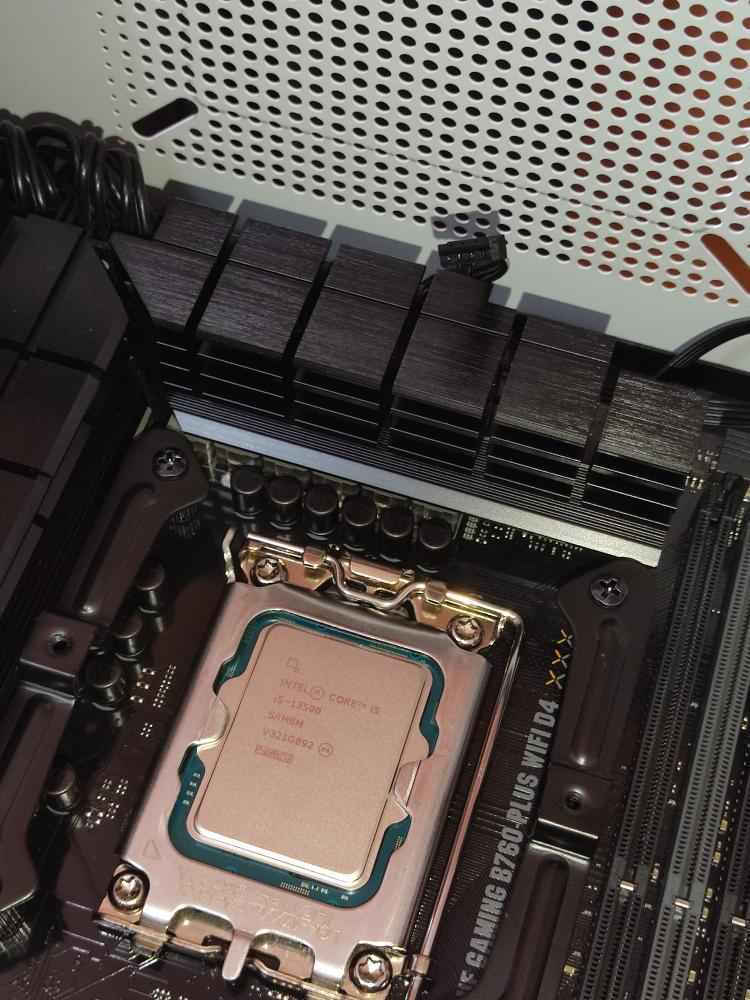
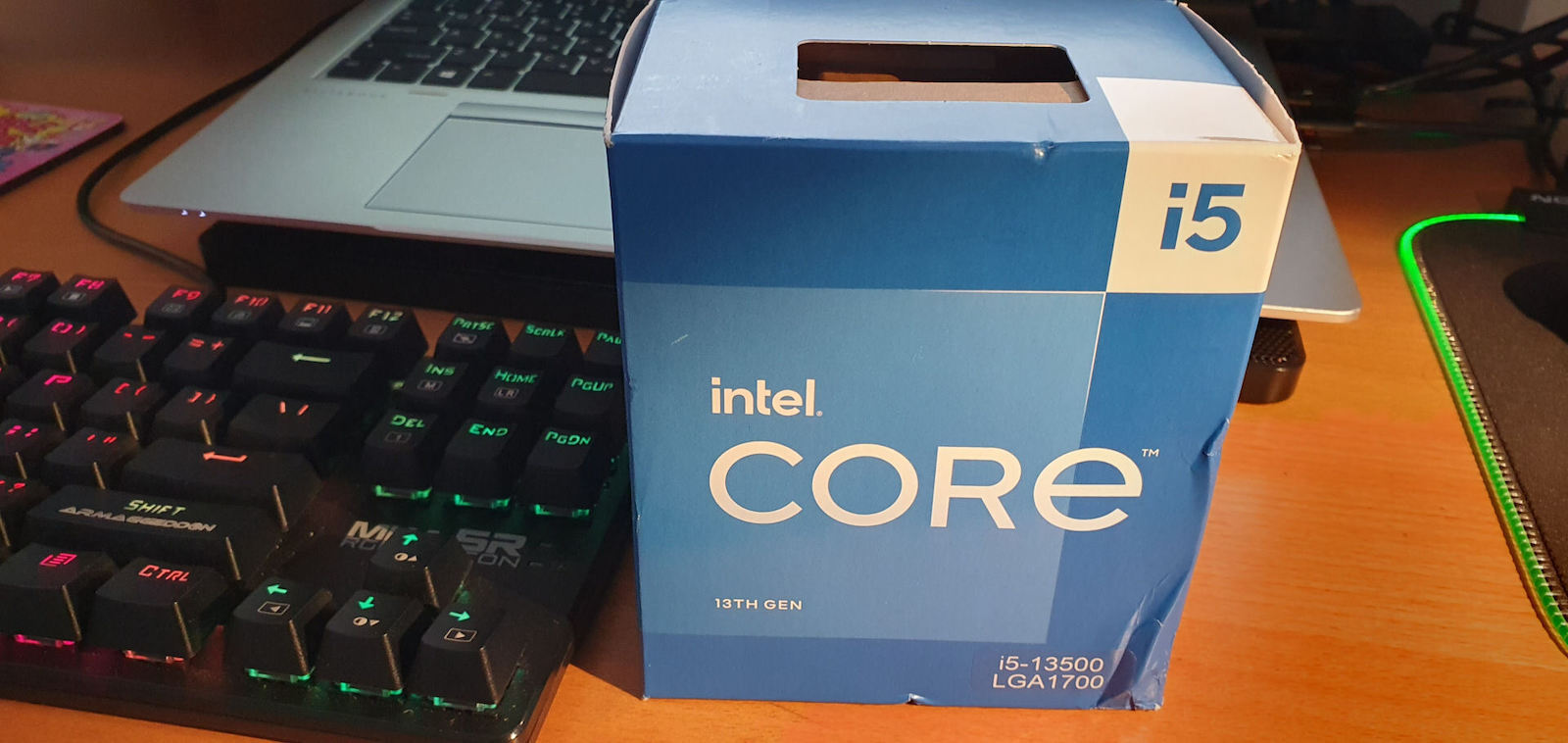
It is an excellent purchase. Additionally, since I am not particularly interested in gaming, the processor offers an integrated and decent "graphics card" ideal for office work and non-demanding or older 3D games.
Personally, I mainly use the PC for searching/editing many small files (around 130-150 thousand files, using Regular Expression) ranging in size from a few KB to 2-3MB. The 14 cores with 20 threads, combined with a Kingston KC3000 NVMe PCIe4, provide amazing results. These tasks now only take 1/10th of the time compared to the old quad-core i3 and SSD drives. If it used to take 10 minutes for a complex task, now it only takes 1-2 minutes. Processing thousands of files is done in the blink of an eye.
I should also mention the issue of TDP (Thermal Design Power). Compared to others, the processor starts with low requirements of 65W in normal use (in LP1 state). Only in demanding use does it reach up to 154W (when we activate LP2), which is the upper limit. If we adjust the BIOS to allow the CPU to exceed 65W and reach the Max, its computing power also increases (possibly by an additional 15%). However, if the CPU is unrestricted, the TDP for each demanding action that activates all cores and threads will remain high, around 130-145W, and at times it will come close to the maximum of 154W. This means that the cooler should be able to meet these requirements, meaning that the specifications should state that it covers at least 200W in order to keep the processor at a safe temperature (up to 80 degrees) even in the summer.
Here one should also look for reviews, as some coolers advertise very high performance without actually supporting it. As usual, a good and reliable cooler is always more expensive.
Personally, due to limited space in the micro ATX Case, I ended up with a low-profile cooler instead of a tower cooler, which has a larger height. The cooler I bought has a limit of 130W, but after testing, I saw that the temperature was rising too much.
Initially, if no adjustments are made, the TDP remains at the default 65W and the temperature always stays low. However, when I enabled "Turbo" in the BIOS and set the LP2 wattage to "Auto," I saw with the program "Core Temp" that the CPU reached a steady 140W and above during demanding use, causing the temperature to quickly rise to 95 degrees. In other words, the 130W of the (good) "BeQuiet!" cooler is not enough for full utilization of a CPU that has a maximum of 154W. So, in the winter, I limit the LP2 wattage to 115W in the BIOS, and in the summer, I limit it to 90W so that the temperature never exceeds 80 degrees.
Therefore, the processor is flawless, but it also requires a powerful cooler for full utilization.
The Intel cooler that comes with the 13500 box, I saw in reviews that it bears the same type name, but it has been improved compared to the 11th generation coolers. They are now heavier and better, but during the summer months, it probably won't be able to adjust the LP2 to high limits. I did not try it myself, only from reviews that consider it good only if one stays at 65W. In the specifications on "skroutz," it says that the box does not include a cooler, but it was actually included. Just not all 13th generation coolers come with it. However, the 13500 does.
Είναι μια εξαιρετική αγορά. Επιπλέον, επειδή δεν ασχολούμαι ιδιαίτερα με παιχνίδια, ο επεξεργαστής προσφέρει ενσωματωμένη και μια αξιοπρεπέστατη "κάρτα γραφικών" ιδανική για δουλειές γραφείου αλλά και για μή απαιτητικά ή παλαιότερα 3D παιχνίδια.
Προσωπικά, κυρίως χρησιμοποιώ τον Η/Υ για αναζήτηση/επεξεργασία πολλών μικρών αρχείων (περ. 130-150 χιλ. αρχεία με χρήση π.χ. Regular Expression) μεγέθους από λίγα KB μέχρι 2-3ΜΒ. Οι 14 πυρήνες με τα 20 threads σε συνδυασμό με έναν Kingston KC3000 NVMe PCIe4 δίνουν καταπληκτικά αποτελέσματα. Οι εργασίες αυτές χρειάζονται τώρα μόνο το 1/10 του χρόνου απ' ότι με τον παλιό τετραπύρηνο i3 και τους SSD δίσκους. Αν ήθελα 10 λεπτά για μια πολύπλοκη εργασία, τώρα χρειάζεται 1-2 λεπτά. Η επεξεργασία χιλιάδων αρχείων γίνεται εν ριπή οφθαλμού.
Να προσθέσω και το ζήτημα του TDP (Thermal Design Power). Σχετικά με άλλους, ο επεξεργαστής σε κανονική χρήση ξεκινά από χαμηλές απαιτήσεις 65W (σε κατάσταση LP1). Μόνο σε απαιτητική χρήση φτάνει μέχρι τα 154W (όταν ενεργοποιήσουμε το LP2) που είναι και το άνω όριο. Αν ρυθμίσουμε το BIOS ώστε η CPU να είναι ελεύθερη να ξεπεράσει τα 65W και να φτάσει στο Max, αυξάνεται και η υπολογιστική ισχύ της (ίσως και 15% επιπλέον). Αν όμως η CPU απελευθερωθεί, το TDP για κάθε απαιτητική ενέργεια που ενεργοποιεί όλους τους πυρήνες και τα threads θα μένει ψηλά, γύρω στα 130-145W και κάποιες στιγμές θα φτάνει και κοντά στο Max των 154W. Αυτό σημαίνει ότι η ψύκτρα θα πρέπει να υπερκαλύπτει τις απαιτήσεις αυτές, δηλαδή να λένε οι προδιαγραφές ότι καλύπτει τουλάχιστον 200W ώστε να μένει ο επεξεργαστής σε ασφαλή θερμοκρασία (έως 80 βαθμούς) ακόμα και το καλοκαίρι.
Εδώ πρέπει να ψάχνει κανείς και τα review, διότι κάποιες ψύκτρες διαφημίζουν πολύ υψηλές αποδόσεις χωρίς να τις υποστηρίζουν. Όπως συνήθως, η καλή και αξιόπιστη ψύκτρα είναι πάντα πιο ακριβή.
Προσωπικά, λόγω περιορισμένου χώρου στο Case που είναι για micro ATX, κατέληξα σε ψύκτρα low profile και όχι tower που έχουν μεγάλο ύψος. Η ψύκτρα που πήρα έχει όριο τα 130W αλλά μετά από δοκιμές είδα ότι η θερμοκρασία ανέβαινε πολύ.
Αρχικά, αν δεν κάνουμε καμία ρύθμιση, το TDP μένει στα default 65W και η θερμοκρασία διατηρείται πάντα χαμηλή. Όταν όμως έκανα στο BIOS "Enable" τη δυνατότητα "Turbo" και ρύθμισα τα watt της LP2 στην επιλογή "Auto", είδα με το πρόγραμμα "Core Temp" ότι η CPU σε απαιτητική χρήση έπιανε σταθερά τα 140W και πάνω οπότε η θερμοκρασία ανέβηκε γρήγορα στους 95 βαθμούς. Δηλαδή τα 130W της (καλής) ψύκτρας "BeQuiet!" δεν είναι αρκετά για πλήρη αξιοποίηση μιας CPU που έχει άνω όριο τα 154W. Οπότε, το Χειμώνα περιορίζω από το BIOS τα watt της LP2 σε 115W και το Καλοκαίρι σε 90W ώστε η θερμοκρασία να μην ξεπερνάει ποτέ τους 80 βαθμούς.
Οπότε, ο επεξεργαστής είναι άψογος, αλλά θέλει και δυνατή ψύκτρα για πλήρη εκμετάλλευση.
Η ψύκτρα της Intel που υπάρχει στο κουτί του 13500, είδα σε reviews ότι φέρει μεν το ίδιο όνομα τύπου, έχει βελτιωθεί όμως σε σχέση με τις ψύκτρες 11ης γενιάς. Είναι πλέον βαρύτερες και καλύτερες, αλλά τους καλοκαιρινούς μήνες μάλλον δεν θα μπορέσει να ρυθμιστεί το LP2 σε υψηλά όρια. Εγώ δεν την δοκίμασα, μόνο από reviews που την θεωρούν καλή μόνο αν μείνει κάποιος στα 65W. Στα χαρακτηριστικά του "skroutz" λέει ότι το κουτί δεν περιλαμβάνει ψύκτρα, όμως υπήρχε κανονικά. Απλά δεν έχουν όλοι οι 13ης γενιάς ψύκτρες μέσα. Ο 13500 πάντως, έχει.