Since 1677, the year of publication of the Ethics, Spinoza's ideas have provoked, following a variety of directions, an unceasing interest to this day. However, these ideas have most often been...
Since 1677, the year of publication of the Ethics, Spinoza's ideas have provoked, following a variety of directions, an unceasing interest to this day. However, these ideas have most often been addressed, disconnected from the evidential context that supports their exposition, due to the intensely technical character and the dry style of that context.
Spinoza is a very good starting point (if not - along with Hobbes - the appropriate one) for someone to begin studying modern Western European philosophy and beyond. For Spinoza, Hegel had stated that: "Either you are a Spinozist or you are not a philosopher at all," while when asked by Einstein if he believed in God, he replied: "I believe in the God of Spinoza."
We are talking about one of the forerunners of the Enlightenment, whose thought combined the metaphysical and epistemological principles of Descartes with elements from Stoicism, Hobbes, and medieval Jewish rationalism. A naturalist, Spinoza laid the foundations of modern ethical philosophy as well as democratic political thought in 17th century Western Europe.
O Σπινόζα είναι μια πολύ καλή αρχή (εάν όχι - μαζί με τον Χομπς - η ενδεδειγμένη), για να ξεκινήσει κάποιος να μελετά την σύγχρονη δυτικοευρωπαϊκή φιλοσοφία και όχι μόνο. Για τον Σπινόζα, ο Έγελος είχε δηλώσει ότι: «Ή είσαι Σπινοζικός ή δεν είσαι καθόλου φιλόσοφος», ενώ όταν ρωτούσαν τον Αϊνστάιν για το εάν πίστευε στον Θεό, απαντούσε: «Πιστεύω στον Θεό του Σπινόζα».
Μιλάμε για έναν από τους προδρόμου του Διαφωτισμού, του οποίου η σκέψη συνδύαζε τη μεταφυσική και τις γνωσιολογικές αρχές του Καρτέσιου με στοιχεία από τον Στωικισμό, τον Χομπς και τον μεσαιωνικό εβραϊκό ορθολογισμό. Νατουραλιστής, ο Σπινόζα έθεσε τις βάσεις της σύγχρονης ηθικής φιλοσοφίας αλλά και της δημοκρατικής πολιτικής σκέψης στη δυτική Ευρώπη του 17ου αιώνα.
Spinoza is a very good starting point (if not - along with Hobbes - the appropriate one) for someone to begin studying modern Western European philosophy and beyond. For Spinoza, Hegel had stated that: "Either you are a Spinozist or you are not a philosopher at all," while when asked by Einstein if he believed in God, he replied: "I believe in the God of Spinoza."
We are talking about one of the forerunners of the Enlightenment, whose thought combined the metaphysical and epistemological principles of Descartes with elements from Stoicism, Hobbes, and medieval Jewish rationalism. A naturalist, Spinoza laid the foundations of modern ethical philosophy as well as democratic political thought in 17th century Western Europe.
O Σπινόζα είναι μια πολύ καλή αρχή (εάν όχι - μαζί με τον Χομπς - η ενδεδειγμένη), για να ξεκινήσει κάποιος να μελετά την σύγχρονη δυτικοευρωπαϊκή φιλοσοφία και όχι μόνο. Για τον Σπινόζα, ο Έγελος είχε δηλώσει ότι: «Ή είσαι Σπινοζικός ή δεν είσαι καθόλου φιλόσοφος», ενώ όταν ρωτούσαν τον Αϊνστάιν για το εάν πίστευε στον Θεό, απαντούσε: «Πιστεύω στον Θεό του Σπινόζα».
Μιλάμε για έναν από τους προδρόμου του Διαφωτισμού, του οποίου η σκέψη συνδύαζε τη μεταφυσική και τις γνωσιολογικές αρχές του Καρτέσιου με στοιχεία από τον Στωικισμό, τον Χομπς και τον μεσαιωνικό εβραϊκό ορθολογισμό. Νατουραλιστής, ο Σπινόζα έθεσε τις βάσεις της σύγχρονης ηθικής φιλοσοφίας αλλά και της δημοκρατικής πολιτικής σκέψης στη δυτική Ευρώπη του 17ου αιώνα.
Since 1677, the year of publication of the Ethics, Spinoza's ideas have provoked, following a variety of directions, an unceasing interest to this day. However, these ideas have most often been addressed, disconnected from the evidential context that supports their exposition, due to the intensely technical character and the dry style of that context.
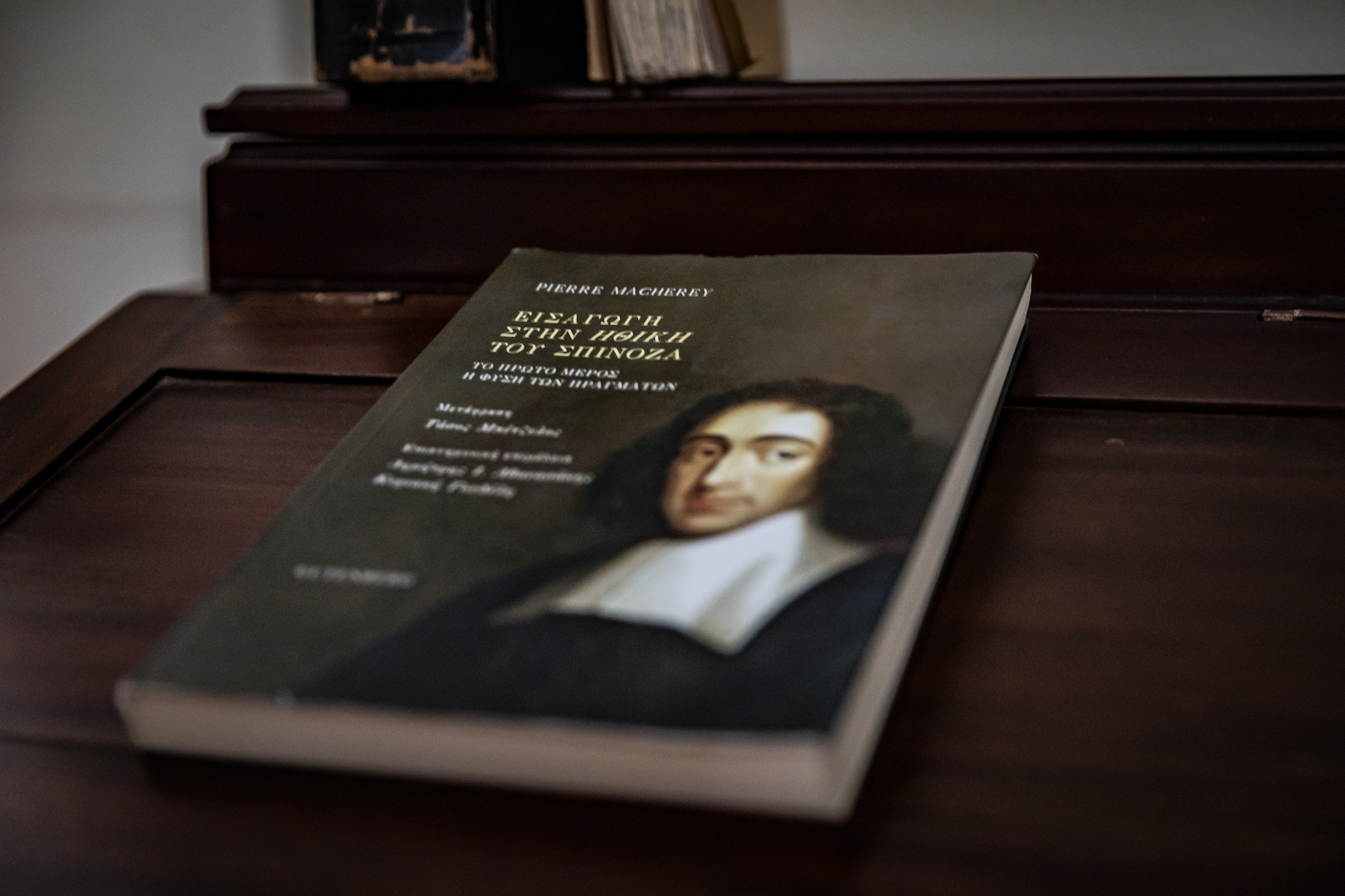
This book, which aims to serve as a working tool for those seeking a more immediate access to Spinoza's text, provides all the explanations that are absolutely necessary for reading the first part of the Ethics, in which, under the title "On God," an attempt is made to study reality as a whole, starting from the rational and causal principle that simultaneously endows it with its internal unity and its absolutely necessary character.
This part of Spinoza's book, which due to its relative brevity is particularly difficult and enigmatic, plays an essential role in the overall economy of the Ethics: it is what provides the ethical liberation program with its objective foundation, establishing it deeply within the nature of things.
Specifications are collected from official manufacturer websites. Please verify the specifications before proceeding with your final purchase. If you notice any problem you can report it here.
Spinoza is a very good starting point (if not - along with Hobbes - the appropriate one) for someone to begin studying modern Western European philosophy and beyond. For Spinoza, Hegel had stated that: "Either you are a Spinozist or you are not a philosopher at all," while when asked by Einstein if he believed in God, he replied: "I believe in the God of Spinoza."
We are talking about one of the forerunners of the Enlightenment, whose thought combined the metaphysical and epistemological principles of Descartes with elements from Stoicism, Hobbes, and medieval Jewish rationalism. A naturalist, Spinoza laid the foundations of modern ethical philosophy as well as democratic political thought in 17th century Western Europe.
O Σπινόζα είναι μια πολύ καλή αρχή (εάν όχι - μαζί με τον Χομπς - η ενδεδειγμένη), για να ξεκινήσει κάποιος να μελετά την σύγχρονη δυτικοευρωπαϊκή φιλοσοφία και όχι μόνο. Για τον Σπινόζα, ο Έγελος είχε δηλώσει ότι: «Ή είσαι Σπινοζικός ή δεν είσαι καθόλου φιλόσοφος», ενώ όταν ρωτούσαν τον Αϊνστάιν για το εάν πίστευε στον Θεό, απαντούσε: «Πιστεύω στον Θεό του Σπινόζα».
Μιλάμε για έναν από τους προδρόμου του Διαφωτισμού, του οποίου η σκέψη συνδύαζε τη μεταφυσική και τις γνωσιολογικές αρχές του Καρτέσιου με στοιχεία από τον Στωικισμό, τον Χομπς και τον μεσαιωνικό εβραϊκό ορθολογισμό. Νατουραλιστής, ο Σπινόζα έθεσε τις βάσεις της σύγχρονης ηθικής φιλοσοφίας αλλά και της δημοκρατικής πολιτικής σκέψης στη δυτική Ευρώπη του 17ου αιώνα.
Spinoza is a very good starting point (if not - along with Hobbes - the appropriate one) for someone to begin studying modern Western European philosophy and beyond. For Spinoza, Hegel had stated that: "Either you are a Spinozist or you are not a philosopher at all," while when asked by Einstein if he believed in God, he replied: "I believe in the God of Spinoza."
We are talking about one of the forerunners of the Enlightenment, whose thought combined the metaphysical and epistemological principles of Descartes with elements from Stoicism, Hobbes, and medieval Jewish rationalism. A naturalist, Spinoza laid the foundations of modern ethical philosophy as well as democratic political thought in 17th century Western Europe.
O Σπινόζα είναι μια πολύ καλή αρχή (εάν όχι - μαζί με τον Χομπς - η ενδεδειγμένη), για να ξεκινήσει κάποιος να μελετά την σύγχρονη δυτικοευρωπαϊκή φιλοσοφία και όχι μόνο. Για τον Σπινόζα, ο Έγελος είχε δηλώσει ότι: «Ή είσαι Σπινοζικός ή δεν είσαι καθόλου φιλόσοφος», ενώ όταν ρωτούσαν τον Αϊνστάιν για το εάν πίστευε στον Θεό, απαντούσε: «Πιστεύω στον Θεό του Σπινόζα».
Μιλάμε για έναν από τους προδρόμου του Διαφωτισμού, του οποίου η σκέψη συνδύαζε τη μεταφυσική και τις γνωσιολογικές αρχές του Καρτέσιου με στοιχεία από τον Στωικισμό, τον Χομπς και τον μεσαιωνικό εβραϊκό ορθολογισμό. Νατουραλιστής, ο Σπινόζα έθεσε τις βάσεις της σύγχρονης ηθικής φιλοσοφίας αλλά και της δημοκρατικής πολιτικής σκέψης στη δυτική Ευρώπη του 17ου αιώνα.