173
99
€
Delivery
by Thu, 24 Sep
14,00 €
shipping cost
Sent from Greece
Shipping costs and delivery speed are calculated based on the delivery location.


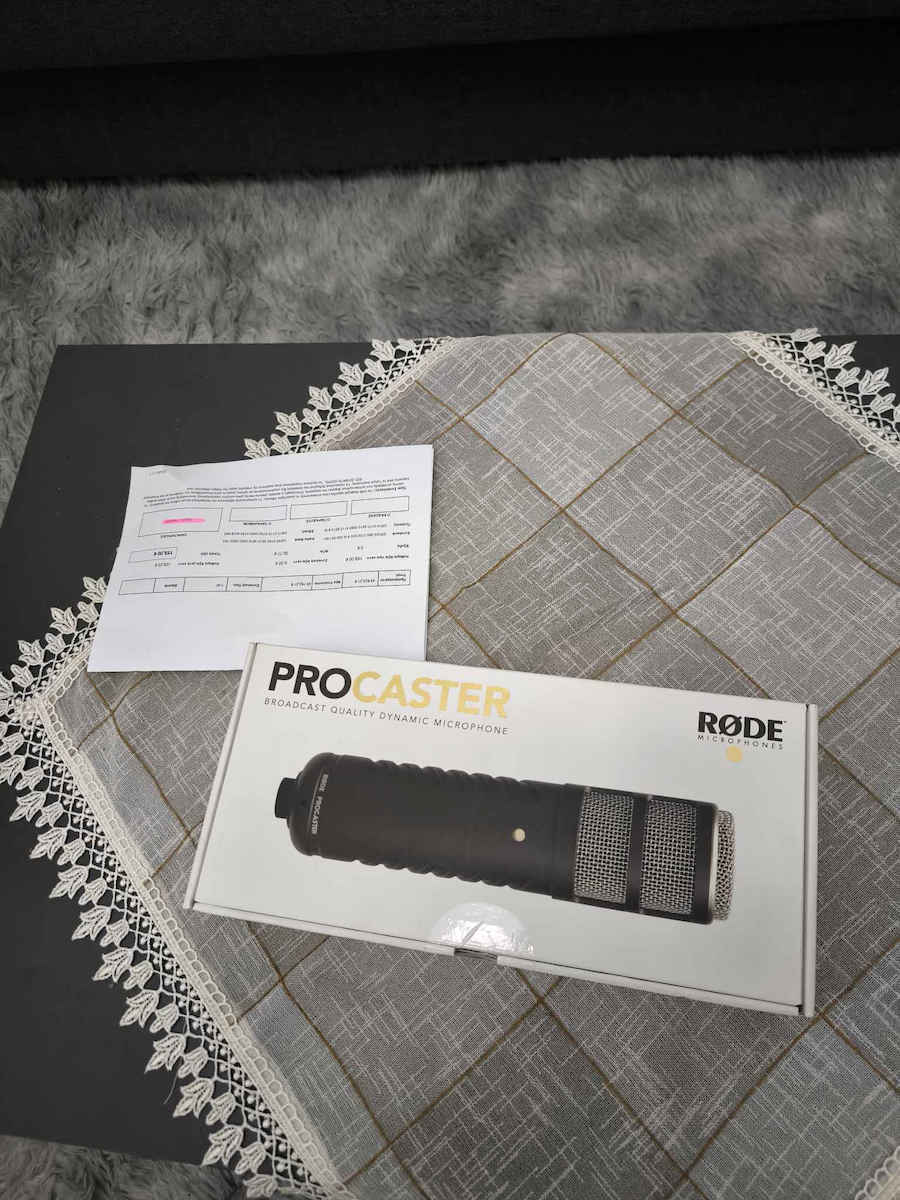
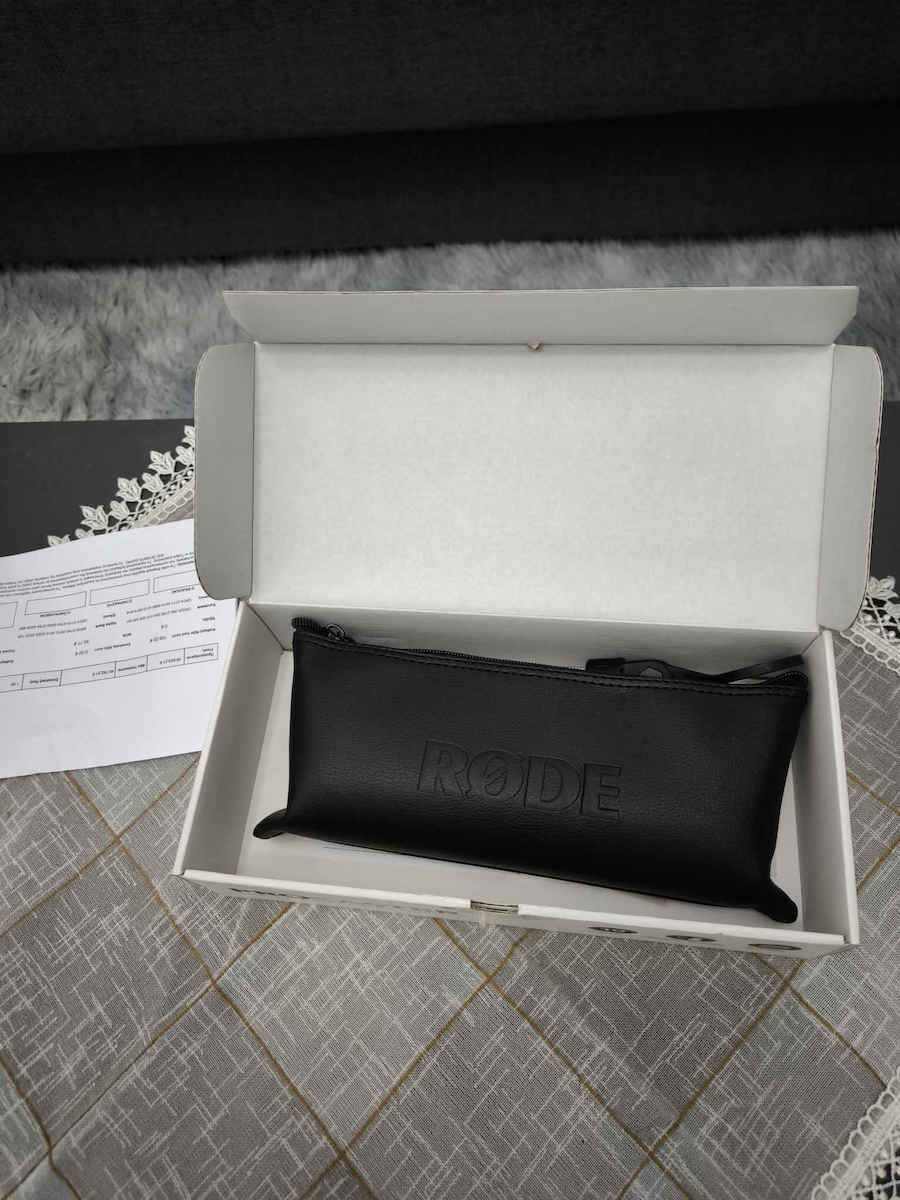
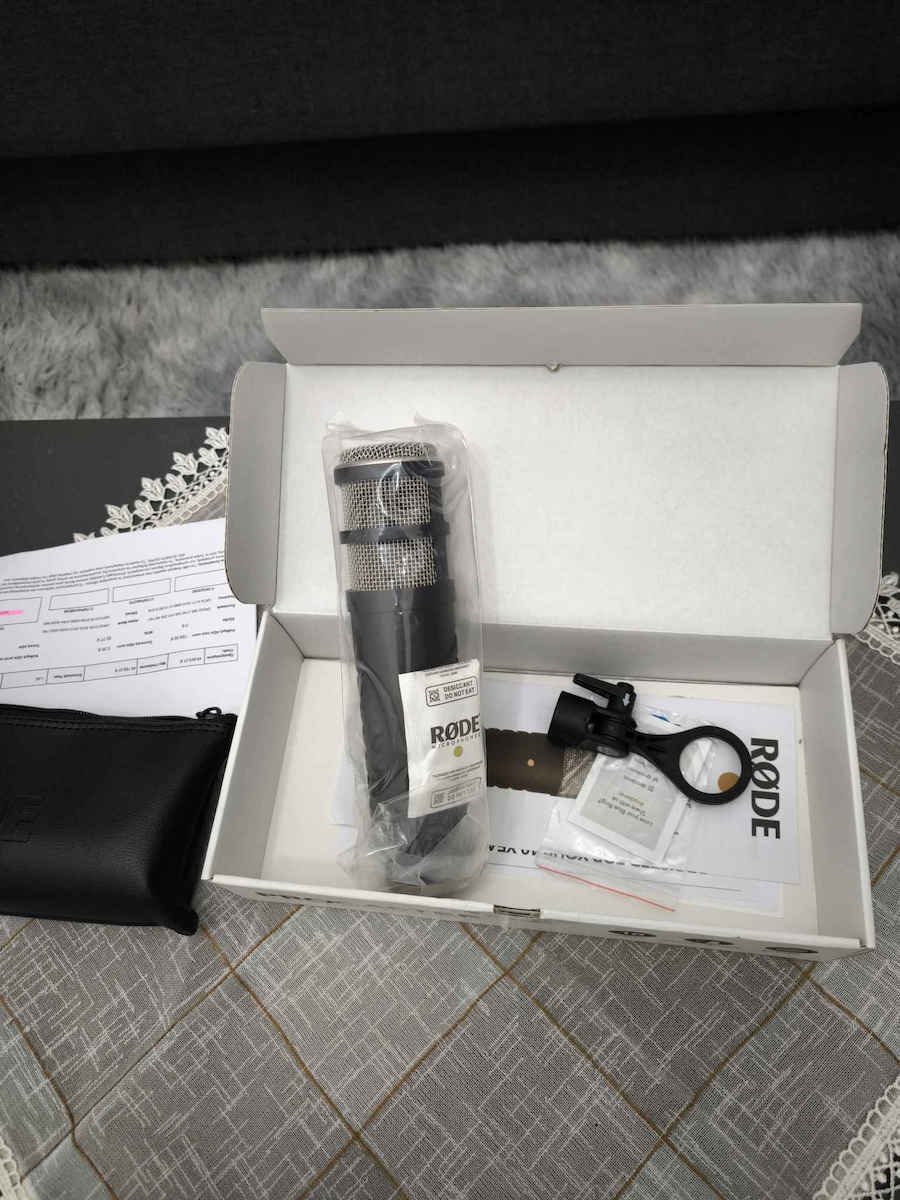
The Rode Procaster is a professional-grade broadcast dynamic microphone, specifically designed to deliver uncompromising sound in vocal broadcasting applications. It features a "tight" polar pattern...
The Rode Procaster is a professional-grade broadcast dynamic microphone, specifically designed to deliver uncompromising sound in vocal broadcasting applications. It features a "tight" polar pattern tailored for frequency response for voices. The Procaster is the perfect microphone for any application where good sound, durability, and rejection of...
Top specs
The Rode Procaster is a professional-grade broadcast dynamic microphone, specifically designed to deliver uncompromising sound in vocal broadcasting applications. It features a "tight" polar pattern tailored for frequency response for voices. The Procaster is the perfect microphone for any application where good sound, durability, and rejection of environmental noise are needed.
Specifications are collected from official manufacturer websites. Please verify the specifications before proceeding with your final purchase. If you notice any problem you can report it here.

very much top
very much top
Excellent microphone, the only flaw I find is that it needs to be placed on a good stand because it is quite heavy.
Εξαιρετικό μικρόφωνο το μόνο ελάττωμα που βρίσκω πρέπει να μπει σε καλή βάση γιατί είναι αρκετά βαρύ.
The microphone is excellent. Quality sturdy construction and clear sound. It is in the same category as the Shure Sm7b and the Electrovoice RE-20. I consider them to be the top 3 dynamic microphones. They all have fairly flat frequency curves. They are all very gain hungry.
The Shure Sm7b gives a little more bass, slightly enhances the lows, and gives a "muddy voice" feeling. The sound is completely clear, without any processing. The sound is captured from the front and the intensity is reduced on the sides and back.
The Electrovoice RE-20 enhances the highs a little more, resulting in a brighter, cleaner sound with more "air". It tries to approach the clarity of a condenser microphone. It doesn't quite achieve it, but it comes close. The positive (or negative depending on usage) is that it allows for head rotation during speech. It captures sound fairly well from the sides.
The Rode Procaster is in the middle of the two. It does an excellent job of eliminating background noise (air conditioning, PC fans, etc.). It captures sound from the front while significantly reducing it on the sides. The sound almost disappears on the back side. I consider it to be the ideal microphone, especially in its price range.
Pros:
- Clean low noise sound. It is not a condenser microphone, but its sound is very pleasant and clear.
- Does the best job (compared to the aforementioned) in reducing background noise. Especially behind the microphone in a straight line, it captures very little to none.
- Dynamic microphone. Professional appearance. Many voice-over artists swear by it and wouldn't change it for anything. It has a great reputation and you will find many available tutorials.
- Rode's quality and service. As with all their products. You feel like you can use it as a hammer. Resistant to dust, etc. I plugged it in last year and have left it on the boom arm ever since.
- It is affordable (compared to microphones of similar quality and technology).
Cons:
- The base that comes with it is essentially a plastic pivot adapter. It does its job, it will hold the microphone in place. I have had it connected for about a year, in a completely stable position, and it hasn't loosened. But I wouldn't trust it to loosen it so that the microphone is more flexible for rotations.
- (I read it in a previous comment as well). It is gain hungry. The console (interface or mixer) needs to provide at least 50db of CLEAN gain. And I say clean because, for example, a Focusrite Scarlett theoretically provides it (48-50db) but you have to turn the knob all the way up. When they are turned all the way up (due to the quality of the preamps in consoles of this price range), a lot of hissing noise comes out. Either you will invest in a good interface with good preamps, or you will have to use a preamp like the Fethead or the Cloudlifter (they don't have a significant difference between them, it's more of an aesthetic issue, whether you want the Fethead to be visible or not). Just for your information, the DBX 286s has more than enough gain for this microphone and I consider it a preferable solution over the cloudlifter/fethead.
- Size. It is a large microphone and together with the shock mount, the Fethead, and the pop filter, it becomes a real beast.
- (It has not happened to me, but I mention it because it is mentioned in all the reviews): Plosives. The reason why it is lower in price compared to the Shure Sm7b, I believe, is the management of plosives. In my voice, even when speaking directly in front of the capsule, it does not show plosives. It has to do with how much air we release when we speak. However, even if it appears in your own voice, the solution is a pop filter and speaking at an angle to the microphone. Professional voice artists have learned to manage their voices and not "blow". All microphones are affected by this. That's why in studios you will see people speaking at an angle, no matter what microphone they have in front of them. It is one of the problems that unfortunately cannot be completely corrected in post-processing.
I recommend it to anyone who wants a good dynamic microphone, especially for speech and voice-overs
Το μικρόφωνο είναι άριστο. Ποιοτική στιβαρή κατασκευή και καθαρός ήχος. Είναι αντίστοιχης κατηγορίας με το Shure Sm7b και το Electrovoice RE-20. Θεωρώ πως είναι τα top 3 δυναμικά μικρόφωνα. Έχουν όλα τους αρκετά flat frequency curves. Πολύ Gain hungry και τα τρία.
Το Shure Sm7b δίδει λίγο περισσότερο μπάσο, ενισχύει λίγο τα lows και δίνει την αίσθηση του "muddy voice". Ακούγεται εντελώς καθαρός ο ήχος, χωρίς επεξεργασία. Ήχο δέχεται από μπροστά και μειώνεται η ένταση στα πλάγια και πίσω.
Το Electrovoice RE-20 ενισχύει λίγο περισσότερο τα Highs, με αποτέλεσμα η φωνή να ακούγεται πιο φωτεινή, πιο καθαρή και με περισσότερο "αέρα". Προσπαθεί να προσεγγίσει την καθαρότητα ενός Condenser. Δεν τα καταφέρνει, αλλά είναι κοντά. Το θετικό (ή αρνητικό αναλόγως τη χρήση) είναι ότι επιτρέπει περιστροφές του κεφαλιού κατά την ομιλία. Πιάνει αρκετά καλά από τα πλάγια.
Το Rode Procaster είναι στη μέση των δύο. Κάνει εξαιρετική δουλειά στο elimination του background noise (air condition, pc fans κλπ.). Πιάνει ήχο από μπροστά, ενώ μειώνεται κατακόρυφα στα πλάγια. Στην πίσω πλευρά ο ήχος σχεδόν εξαφανίζεται. Θεωρώ πως είναι το ιδανικό μικρόφωνο, ειδικά στο price range που ανήκει.
Θετικά:
- Καθαρός low noise ήχος. Δεν είναι πυκνωτικό αλλά ο ήχος του είναι πολύ ευχάριστος και καθαρός.
- Κάνει την καλύτερη δουλειά (συγκριτικά με τα προαναφερθέντα) σε ό,τι αφορά μείωση θορύβου στο background. Ειδικά πίσω από το μικρόφωνο σε ευθεία γραμμή, πιάνει ελάχιστα έως καθόλου.
- Δυναμικό μικρόφωνο. Επαγγελματική εμφάνιση. Πολλοί Voice-over artists πίνουν νερό στο όνομά του και δεν το αλλα΄ζουν με τίποτα. Έχει μεγάλη φήμη, θα βρείτε πολλά tutorial διαθέσιμα.
- Ποιότητα & εξυπηρέτηση Rode. Όπως και σε όλα της τα προϊόντα. Νιώθεις ότι μπορείς να το χρησιμοποιήσεις και ως σφυρί. Ανθεκτικό σε σκόνη κλπ. Το έκανα Plug πέρυσι και το έχω αφήσει στο boom arm από τότε.
- Είναι οικονομικό (συγκριτικά με αντίστοιχης ποιότητας και τεχνολογίας μικρόφωνα).
Αρνητικά:
- Η βάση που έρχεται μαζί, στην ουσία είναι ένας πλαστικός pivot αντάπτορας. Κάνει τη δουλειά του, θα κρατήσει το μικρόφωνο στη θέση του. Το έχω συνδεδεμένο 1 χρόνο περίπου, σε πλήρως σταθερή θέση και δεν έχει χαλαρώσει. Αλλά δε θα το εμπιστευόμουν να το ξεσφίξω ώστε να είναι το μικρόφωνο πιο χαλαρό για περιστροφές.
- (το διάβασα και σε προηγούμενο σχόλιο). Είναι Gain hungry. Η κονσόλα (interface ή mixer) πρέπει να βγάζει τουλάχιστον 50db ΚΑΘΑΡΟ Gain. Και λέω καθαρό, διότι πχ. και μια Focusrite Scarlett θεωρητικά τα βγάζει (48-50db) αλλά πρέπει να γυρίσεις τον διακόπτη στο τέρμα. Όταν δουλεύουν στο τέρμα (εξαιτίας και της ποιότητας πυκνωτών στις κονσόλες αυτής της τιμής) βγαίνει πολύ hissing noise. Είτε θα επενδύσεις σε ένα καλό Interface, με καλούς πυκνωτές, είτε αναγκαστικά θα πρέπει να παρεμβληθεί ένα preamp όπως το Feathead ή το Cloudlifter (δεν έχουν ουσιαστική διαφορά μεταξύ τους, περισσότερο θέμα αισθητικής είναι, αν θέλεις να φαίνεται το Fethead ή όχι). Ενημερωτικά, το DBX 286s έχει υπερ αρκετό gain για το συγκεκριμένο μικρόφωνο και το θεωρώ προτιμότερη λύση από cloudlifter/fethead.
- Μέγεθος. Είναι μεγάλο μικρόφωνο και μαζί με τη βάση αράχνης, το Fethead και το popfilter, γίνεται πραγματικά θηρίο.
- (Σε μένα δεν έχει παρουσιαστεί, αλλά το αναφέρω διότι υπάρχει σε όλα τα reviews): Plosives. Ο λόγος για τον οποίο είναι πιο χαμηλά στην τιμή συγκριτικά με το Shure Sm7b, θεωρώ πως είναι η διαχείριση των Plosives. Στη δική μου φωνή, ακόμα και όταν μιλάω απευθείας μπροστά στην κάψουλα, δεν εμφανίζει plosives. Έχει να κάνει με τον πόσο αέρα βγάζουμε όταν μιλάμε. Ακόμα όμως και αν εμφανίσει στη δική σας φωνή, η λύση είναι ένα pop filter και ομιλία υπό γωνία στο μικρόφωνο. Οι επαγγελματίες voice artists έχουν μάθει να διαχειρίζονται τη φωνή τους και να μη "φυσάνε". Όλα μα όλα τα μικρόφωνα επηρεάζονται από αυτό. Γι'αυτό στα studio θα δείτε τον κόσμο να μιλάει υπό γωνία, ό,τι μικρόφωνο και αν έχουν μπροστά τους. Είναι από τα προβλήματα που δυστυχώς δεν διορθώνεται τελείως στην επεξεργασία.
Το προτείνω σε όλους όσους θέλουν ένα καλό δυναμικό μικρόφωνο ειδικά για ομιλία & voice-overs.
Edited: Ορθογραφικά
It has low output level, resulting in having to increase the sensitivity of the sound console and causing distortion. It's a shame, I bought it and was really looking forward to using it in a radio studio, but I'm disappointed
εχει χαμηλή στάθμη εξόδου με αποτέλεσμα να ανοιγεις περισσότερο την ευαισθησία της κονσολας ήχου και να βράζει "φύσιγμα".
Κριμα το αγόρασα και το περίμενα πωςε και πως για χρήση σε studio ραδιοφωνίας αλλά απογοητεύτηκα
The best of the best microphones that I have
οτι καλυτερο υπαρχει απο τα καλυτερα μικροφωνα που εχω
very much top
very much top
Excellent microphone, the only flaw I find is that it needs to be placed on a good stand because it is quite heavy.
Εξαιρετικό μικρόφωνο το μόνο ελάττωμα που βρίσκω πρέπει να μπει σε καλή βάση γιατί είναι αρκετά βαρύ.
The microphone is excellent. Quality sturdy construction and clear sound. It is in the same category as the Shure Sm7b and the Electrovoice RE-20. I consider them to be the top 3 dynamic microphones. They all have fairly flat frequency curves. They are all very gain hungry.
The Shure Sm7b gives a little more bass, slightly enhances the lows, and gives a "muddy voice" feeling. The sound is completely clear, without any processing. The sound is captured from the front and the intensity is reduced on the sides and back.
The Electrovoice RE-20 enhances the highs a little more, resulting in a brighter, cleaner sound with more "air". It tries to approach the clarity of a condenser microphone. It doesn't quite achieve it, but it comes close. The positive (or negative depending on usage) is that it allows for head rotation during speech. It captures sound fairly well from the sides.
The Rode Procaster is in the middle of the two. It does an excellent job of eliminating background noise (air conditioning, PC fans, etc.). It captures sound from the front while significantly reducing it on the sides. The sound almost disappears on the back side. I consider it to be the ideal microphone, especially in its price range.
Pros:
- Clean low noise sound. It is not a condenser microphone, but its sound is very pleasant and clear.
- Does the best job (compared to the aforementioned) in reducing background noise. Especially behind the microphone in a straight line, it captures very little to none.
- Dynamic microphone. Professional appearance. Many voice-over artists swear by it and wouldn't change it for anything. It has a great reputation and you will find many available tutorials.
- Rode's quality and service. As with all their products. You feel like you can use it as a hammer. Resistant to dust, etc. I plugged it in last year and have left it on the boom arm ever since.
- It is affordable (compared to microphones of similar quality and technology).
Cons:
- The base that comes with it is essentially a plastic pivot adapter. It does its job, it will hold the microphone in place. I have had it connected for about a year, in a completely stable position, and it hasn't loosened. But I wouldn't trust it to loosen it so that the microphone is more flexible for rotations.
- (I read it in a previous comment as well). It is gain hungry. The console (interface or mixer) needs to provide at least 50db of CLEAN gain. And I say clean because, for example, a Focusrite Scarlett theoretically provides it (48-50db) but you have to turn the knob all the way up. When they are turned all the way up (due to the quality of the preamps in consoles of this price range), a lot of hissing noise comes out. Either you will invest in a good interface with good preamps, or you will have to use a preamp like the Fethead or the Cloudlifter (they don't have a significant difference between them, it's more of an aesthetic issue, whether you want the Fethead to be visible or not). Just for your information, the DBX 286s has more than enough gain for this microphone and I consider it a preferable solution over the cloudlifter/fethead.
- Size. It is a large microphone and together with the shock mount, the Fethead, and the pop filter, it becomes a real beast.
- (It has not happened to me, but I mention it because it is mentioned in all the reviews): Plosives. The reason why it is lower in price compared to the Shure Sm7b, I believe, is the management of plosives. In my voice, even when speaking directly in front of the capsule, it does not show plosives. It has to do with how much air we release when we speak. However, even if it appears in your own voice, the solution is a pop filter and speaking at an angle to the microphone. Professional voice artists have learned to manage their voices and not "blow". All microphones are affected by this. That's why in studios you will see people speaking at an angle, no matter what microphone they have in front of them. It is one of the problems that unfortunately cannot be completely corrected in post-processing.
I recommend it to anyone who wants a good dynamic microphone, especially for speech and voice-overs
Το μικρόφωνο είναι άριστο. Ποιοτική στιβαρή κατασκευή και καθαρός ήχος. Είναι αντίστοιχης κατηγορίας με το Shure Sm7b και το Electrovoice RE-20. Θεωρώ πως είναι τα top 3 δυναμικά μικρόφωνα. Έχουν όλα τους αρκετά flat frequency curves. Πολύ Gain hungry και τα τρία.
Το Shure Sm7b δίδει λίγο περισσότερο μπάσο, ενισχύει λίγο τα lows και δίνει την αίσθηση του "muddy voice". Ακούγεται εντελώς καθαρός ο ήχος, χωρίς επεξεργασία. Ήχο δέχεται από μπροστά και μειώνεται η ένταση στα πλάγια και πίσω.
Το Electrovoice RE-20 ενισχύει λίγο περισσότερο τα Highs, με αποτέλεσμα η φωνή να ακούγεται πιο φωτεινή, πιο καθαρή και με περισσότερο "αέρα". Προσπαθεί να προσεγγίσει την καθαρότητα ενός Condenser. Δεν τα καταφέρνει, αλλά είναι κοντά. Το θετικό (ή αρνητικό αναλόγως τη χρήση) είναι ότι επιτρέπει περιστροφές του κεφαλιού κατά την ομιλία. Πιάνει αρκετά καλά από τα πλάγια.
Το Rode Procaster είναι στη μέση των δύο. Κάνει εξαιρετική δουλειά στο elimination του background noise (air condition, pc fans κλπ.). Πιάνει ήχο από μπροστά, ενώ μειώνεται κατακόρυφα στα πλάγια. Στην πίσω πλευρά ο ήχος σχεδόν εξαφανίζεται. Θεωρώ πως είναι το ιδανικό μικρόφωνο, ειδικά στο price range που ανήκει.
Θετικά:
- Καθαρός low noise ήχος. Δεν είναι πυκνωτικό αλλά ο ήχος του είναι πολύ ευχάριστος και καθαρός.
- Κάνει την καλύτερη δουλειά (συγκριτικά με τα προαναφερθέντα) σε ό,τι αφορά μείωση θορύβου στο background. Ειδικά πίσω από το μικρόφωνο σε ευθεία γραμμή, πιάνει ελάχιστα έως καθόλου.
- Δυναμικό μικρόφωνο. Επαγγελματική εμφάνιση. Πολλοί Voice-over artists πίνουν νερό στο όνομά του και δεν το αλλα΄ζουν με τίποτα. Έχει μεγάλη φήμη, θα βρείτε πολλά tutorial διαθέσιμα.
- Ποιότητα & εξυπηρέτηση Rode. Όπως και σε όλα της τα προϊόντα. Νιώθεις ότι μπορείς να το χρησιμοποιήσεις και ως σφυρί. Ανθεκτικό σε σκόνη κλπ. Το έκανα Plug πέρυσι και το έχω αφήσει στο boom arm από τότε.
- Είναι οικονομικό (συγκριτικά με αντίστοιχης ποιότητας και τεχνολογίας μικρόφωνα).
Αρνητικά:
- Η βάση που έρχεται μαζί, στην ουσία είναι ένας πλαστικός pivot αντάπτορας. Κάνει τη δουλειά του, θα κρατήσει το μικρόφωνο στη θέση του. Το έχω συνδεδεμένο 1 χρόνο περίπου, σε πλήρως σταθερή θέση και δεν έχει χαλαρώσει. Αλλά δε θα το εμπιστευόμουν να το ξεσφίξω ώστε να είναι το μικρόφωνο πιο χαλαρό για περιστροφές.
- (το διάβασα και σε προηγούμενο σχόλιο). Είναι Gain hungry. Η κονσόλα (interface ή mixer) πρέπει να βγάζει τουλάχιστον 50db ΚΑΘΑΡΟ Gain. Και λέω καθαρό, διότι πχ. και μια Focusrite Scarlett θεωρητικά τα βγάζει (48-50db) αλλά πρέπει να γυρίσεις τον διακόπτη στο τέρμα. Όταν δουλεύουν στο τέρμα (εξαιτίας και της ποιότητας πυκνωτών στις κονσόλες αυτής της τιμής) βγαίνει πολύ hissing noise. Είτε θα επενδύσεις σε ένα καλό Interface, με καλούς πυκνωτές, είτε αναγκαστικά θα πρέπει να παρεμβληθεί ένα preamp όπως το Feathead ή το Cloudlifter (δεν έχουν ουσιαστική διαφορά μεταξύ τους, περισσότερο θέμα αισθητικής είναι, αν θέλεις να φαίνεται το Fethead ή όχι). Ενημερωτικά, το DBX 286s έχει υπερ αρκετό gain για το συγκεκριμένο μικρόφωνο και το θεωρώ προτιμότερη λύση από cloudlifter/fethead.
- Μέγεθος. Είναι μεγάλο μικρόφωνο και μαζί με τη βάση αράχνης, το Fethead και το popfilter, γίνεται πραγματικά θηρίο.
- (Σε μένα δεν έχει παρουσιαστεί, αλλά το αναφέρω διότι υπάρχει σε όλα τα reviews): Plosives. Ο λόγος για τον οποίο είναι πιο χαμηλά στην τιμή συγκριτικά με το Shure Sm7b, θεωρώ πως είναι η διαχείριση των Plosives. Στη δική μου φωνή, ακόμα και όταν μιλάω απευθείας μπροστά στην κάψουλα, δεν εμφανίζει plosives. Έχει να κάνει με τον πόσο αέρα βγάζουμε όταν μιλάμε. Ακόμα όμως και αν εμφανίσει στη δική σας φωνή, η λύση είναι ένα pop filter και ομιλία υπό γωνία στο μικρόφωνο. Οι επαγγελματίες voice artists έχουν μάθει να διαχειρίζονται τη φωνή τους και να μη "φυσάνε". Όλα μα όλα τα μικρόφωνα επηρεάζονται από αυτό. Γι'αυτό στα studio θα δείτε τον κόσμο να μιλάει υπό γωνία, ό,τι μικρόφωνο και αν έχουν μπροστά τους. Είναι από τα προβλήματα που δυστυχώς δεν διορθώνεται τελείως στην επεξεργασία.
Το προτείνω σε όλους όσους θέλουν ένα καλό δυναμικό μικρόφωνο ειδικά για ομιλία & voice-overs.
Edited: Ορθογραφικά
It has low output level, resulting in having to increase the sensitivity of the sound console and causing distortion. It's a shame, I bought it and was really looking forward to using it in a radio studio, but I'm disappointed
εχει χαμηλή στάθμη εξόδου με αποτέλεσμα να ανοιγεις περισσότερο την ευαισθησία της κονσολας ήχου και να βράζει "φύσιγμα".
Κριμα το αγόρασα και το περίμενα πωςε και πως για χρήση σε studio ραδιοφωνίας αλλά απογοητεύτηκα
The best of the best microphones that I have
οτι καλυτερο υπαρχει απο τα καλυτερα μικροφωνα που εχω
The Rode Procaster is a professional-grade broadcast dynamic microphone, specifically designed to deliver uncompromising sound in vocal broadcasting applications. It features a "tight" polar pattern tailored for frequency response for voices. The Procaster is the perfect microphone for any application where good sound, durability, and rejection of environmental noise are needed.
Specifications are collected from official manufacturer websites. Please verify the specifications before proceeding with your final purchase. If you notice any problem you can report it here.
very much top
very much top
Excellent microphone, the only flaw I find is that it needs to be placed on a good stand because it is quite heavy.
Εξαιρετικό μικρόφωνο το μόνο ελάττωμα που βρίσκω πρέπει να μπει σε καλή βάση γιατί είναι αρκετά βαρύ.
The microphone is excellent. Quality sturdy construction and clear sound. It is in the same category as the Shure Sm7b and the Electrovoice RE-20. I consider them to be the top 3 dynamic microphones. They all have fairly flat frequency curves. They are all very gain hungry.
The Shure Sm7b gives a little more bass, slightly enhances the lows, and gives a "muddy voice" feeling. The sound is completely clear, without any processing. The sound is captured from the front and the intensity is reduced on the sides and back.
The Electrovoice RE-20 enhances the highs a little more, resulting in a brighter, cleaner sound with more "air". It tries to approach the clarity of a condenser microphone. It doesn't quite achieve it, but it comes close. The positive (or negative depending on usage) is that it allows for head rotation during speech. It captures sound fairly well from the sides.
The Rode Procaster is in the middle of the two. It does an excellent job of eliminating background noise (air conditioning, PC fans, etc.). It captures sound from the front while significantly reducing it on the sides. The sound almost disappears on the back side. I consider it to be the ideal microphone, especially in its price range.
Pros:
- Clean low noise sound. It is not a condenser microphone, but its sound is very pleasant and clear.
- Does the best job (compared to the aforementioned) in reducing background noise. Especially behind the microphone in a straight line, it captures very little to none.
- Dynamic microphone. Professional appearance. Many voice-over artists swear by it and wouldn't change it for anything. It has a great reputation and you will find many available tutorials.
- Rode's quality and service. As with all their products. You feel like you can use it as a hammer. Resistant to dust, etc. I plugged it in last year and have left it on the boom arm ever since.
- It is affordable (compared to microphones of similar quality and technology).
Cons:
- The base that comes with it is essentially a plastic pivot adapter. It does its job, it will hold the microphone in place. I have had it connected for about a year, in a completely stable position, and it hasn't loosened. But I wouldn't trust it to loosen it so that the microphone is more flexible for rotations.
- (I read it in a previous comment as well). It is gain hungry. The console (interface or mixer) needs to provide at least 50db of CLEAN gain. And I say clean because, for example, a Focusrite Scarlett theoretically provides it (48-50db) but you have to turn the knob all the way up. When they are turned all the way up (due to the quality of the preamps in consoles of this price range), a lot of hissing noise comes out. Either you will invest in a good interface with good preamps, or you will have to use a preamp like the Fethead or the Cloudlifter (they don't have a significant difference between them, it's more of an aesthetic issue, whether you want the Fethead to be visible or not). Just for your information, the DBX 286s has more than enough gain for this microphone and I consider it a preferable solution over the cloudlifter/fethead.
- Size. It is a large microphone and together with the shock mount, the Fethead, and the pop filter, it becomes a real beast.
- (It has not happened to me, but I mention it because it is mentioned in all the reviews): Plosives. The reason why it is lower in price compared to the Shure Sm7b, I believe, is the management of plosives. In my voice, even when speaking directly in front of the capsule, it does not show plosives. It has to do with how much air we release when we speak. However, even if it appears in your own voice, the solution is a pop filter and speaking at an angle to the microphone. Professional voice artists have learned to manage their voices and not "blow". All microphones are affected by this. That's why in studios you will see people speaking at an angle, no matter what microphone they have in front of them. It is one of the problems that unfortunately cannot be completely corrected in post-processing.
I recommend it to anyone who wants a good dynamic microphone, especially for speech and voice-overs
Το μικρόφωνο είναι άριστο. Ποιοτική στιβαρή κατασκευή και καθαρός ήχος. Είναι αντίστοιχης κατηγορίας με το Shure Sm7b και το Electrovoice RE-20. Θεωρώ πως είναι τα top 3 δυναμικά μικρόφωνα. Έχουν όλα τους αρκετά flat frequency curves. Πολύ Gain hungry και τα τρία.
Το Shure Sm7b δίδει λίγο περισσότερο μπάσο, ενισχύει λίγο τα lows και δίνει την αίσθηση του "muddy voice". Ακούγεται εντελώς καθαρός ο ήχος, χωρίς επεξεργασία. Ήχο δέχεται από μπροστά και μειώνεται η ένταση στα πλάγια και πίσω.
Το Electrovoice RE-20 ενισχύει λίγο περισσότερο τα Highs, με αποτέλεσμα η φωνή να ακούγεται πιο φωτεινή, πιο καθαρή και με περισσότερο "αέρα". Προσπαθεί να προσεγγίσει την καθαρότητα ενός Condenser. Δεν τα καταφέρνει, αλλά είναι κοντά. Το θετικό (ή αρνητικό αναλόγως τη χρήση) είναι ότι επιτρέπει περιστροφές του κεφαλιού κατά την ομιλία. Πιάνει αρκετά καλά από τα πλάγια.
Το Rode Procaster είναι στη μέση των δύο. Κάνει εξαιρετική δουλειά στο elimination του background noise (air condition, pc fans κλπ.). Πιάνει ήχο από μπροστά, ενώ μειώνεται κατακόρυφα στα πλάγια. Στην πίσω πλευρά ο ήχος σχεδόν εξαφανίζεται. Θεωρώ πως είναι το ιδανικό μικρόφωνο, ειδικά στο price range που ανήκει.
Θετικά:
- Καθαρός low noise ήχος. Δεν είναι πυκνωτικό αλλά ο ήχος του είναι πολύ ευχάριστος και καθαρός.
- Κάνει την καλύτερη δουλειά (συγκριτικά με τα προαναφερθέντα) σε ό,τι αφορά μείωση θορύβου στο background. Ειδικά πίσω από το μικρόφωνο σε ευθεία γραμμή, πιάνει ελάχιστα έως καθόλου.
- Δυναμικό μικρόφωνο. Επαγγελματική εμφάνιση. Πολλοί Voice-over artists πίνουν νερό στο όνομά του και δεν το αλλα΄ζουν με τίποτα. Έχει μεγάλη φήμη, θα βρείτε πολλά tutorial διαθέσιμα.
- Ποιότητα & εξυπηρέτηση Rode. Όπως και σε όλα της τα προϊόντα. Νιώθεις ότι μπορείς να το χρησιμοποιήσεις και ως σφυρί. Ανθεκτικό σε σκόνη κλπ. Το έκανα Plug πέρυσι και το έχω αφήσει στο boom arm από τότε.
- Είναι οικονομικό (συγκριτικά με αντίστοιχης ποιότητας και τεχνολογίας μικρόφωνα).
Αρνητικά:
- Η βάση που έρχεται μαζί, στην ουσία είναι ένας πλαστικός pivot αντάπτορας. Κάνει τη δουλειά του, θα κρατήσει το μικρόφωνο στη θέση του. Το έχω συνδεδεμένο 1 χρόνο περίπου, σε πλήρως σταθερή θέση και δεν έχει χαλαρώσει. Αλλά δε θα το εμπιστευόμουν να το ξεσφίξω ώστε να είναι το μικρόφωνο πιο χαλαρό για περιστροφές.
- (το διάβασα και σε προηγούμενο σχόλιο). Είναι Gain hungry. Η κονσόλα (interface ή mixer) πρέπει να βγάζει τουλάχιστον 50db ΚΑΘΑΡΟ Gain. Και λέω καθαρό, διότι πχ. και μια Focusrite Scarlett θεωρητικά τα βγάζει (48-50db) αλλά πρέπει να γυρίσεις τον διακόπτη στο τέρμα. Όταν δουλεύουν στο τέρμα (εξαιτίας και της ποιότητας πυκνωτών στις κονσόλες αυτής της τιμής) βγαίνει πολύ hissing noise. Είτε θα επενδύσεις σε ένα καλό Interface, με καλούς πυκνωτές, είτε αναγκαστικά θα πρέπει να παρεμβληθεί ένα preamp όπως το Feathead ή το Cloudlifter (δεν έχουν ουσιαστική διαφορά μεταξύ τους, περισσότερο θέμα αισθητικής είναι, αν θέλεις να φαίνεται το Fethead ή όχι). Ενημερωτικά, το DBX 286s έχει υπερ αρκετό gain για το συγκεκριμένο μικρόφωνο και το θεωρώ προτιμότερη λύση από cloudlifter/fethead.
- Μέγεθος. Είναι μεγάλο μικρόφωνο και μαζί με τη βάση αράχνης, το Fethead και το popfilter, γίνεται πραγματικά θηρίο.
- (Σε μένα δεν έχει παρουσιαστεί, αλλά το αναφέρω διότι υπάρχει σε όλα τα reviews): Plosives. Ο λόγος για τον οποίο είναι πιο χαμηλά στην τιμή συγκριτικά με το Shure Sm7b, θεωρώ πως είναι η διαχείριση των Plosives. Στη δική μου φωνή, ακόμα και όταν μιλάω απευθείας μπροστά στην κάψουλα, δεν εμφανίζει plosives. Έχει να κάνει με τον πόσο αέρα βγάζουμε όταν μιλάμε. Ακόμα όμως και αν εμφανίσει στη δική σας φωνή, η λύση είναι ένα pop filter και ομιλία υπό γωνία στο μικρόφωνο. Οι επαγγελματίες voice artists έχουν μάθει να διαχειρίζονται τη φωνή τους και να μη "φυσάνε". Όλα μα όλα τα μικρόφωνα επηρεάζονται από αυτό. Γι'αυτό στα studio θα δείτε τον κόσμο να μιλάει υπό γωνία, ό,τι μικρόφωνο και αν έχουν μπροστά τους. Είναι από τα προβλήματα που δυστυχώς δεν διορθώνεται τελείως στην επεξεργασία.
Το προτείνω σε όλους όσους θέλουν ένα καλό δυναμικό μικρόφωνο ειδικά για ομιλία & voice-overs.
Edited: Ορθογραφικά
It has low output level, resulting in having to increase the sensitivity of the sound console and causing distortion. It's a shame, I bought it and was really looking forward to using it in a radio studio, but I'm disappointed
εχει χαμηλή στάθμη εξόδου με αποτέλεσμα να ανοιγεις περισσότερο την ευαισθησία της κονσολας ήχου και να βράζει "φύσιγμα".
Κριμα το αγόρασα και το περίμενα πωςε και πως για χρήση σε studio ραδιοφωνίας αλλά απογοητεύτηκα
The best of the best microphones that I have
οτι καλυτερο υπαρχει απο τα καλυτερα μικροφωνα που εχω
very much top
very much top
Excellent microphone, the only flaw I find is that it needs to be placed on a good stand because it is quite heavy.
Εξαιρετικό μικρόφωνο το μόνο ελάττωμα που βρίσκω πρέπει να μπει σε καλή βάση γιατί είναι αρκετά βαρύ.
The microphone is excellent. Quality sturdy construction and clear sound. It is in the same category as the Shure Sm7b and the Electrovoice RE-20. I consider them to be the top 3 dynamic microphones. They all have fairly flat frequency curves. They are all very gain hungry.
The Shure Sm7b gives a little more bass, slightly enhances the lows, and gives a "muddy voice" feeling. The sound is completely clear, without any processing. The sound is captured from the front and the intensity is reduced on the sides and back.
The Electrovoice RE-20 enhances the highs a little more, resulting in a brighter, cleaner sound with more "air". It tries to approach the clarity of a condenser microphone. It doesn't quite achieve it, but it comes close. The positive (or negative depending on usage) is that it allows for head rotation during speech. It captures sound fairly well from the sides.
The Rode Procaster is in the middle of the two. It does an excellent job of eliminating background noise (air conditioning, PC fans, etc.). It captures sound from the front while significantly reducing it on the sides. The sound almost disappears on the back side. I consider it to be the ideal microphone, especially in its price range.
Pros:
- Clean low noise sound. It is not a condenser microphone, but its sound is very pleasant and clear.
- Does the best job (compared to the aforementioned) in reducing background noise. Especially behind the microphone in a straight line, it captures very little to none.
- Dynamic microphone. Professional appearance. Many voice-over artists swear by it and wouldn't change it for anything. It has a great reputation and you will find many available tutorials.
- Rode's quality and service. As with all their products. You feel like you can use it as a hammer. Resistant to dust, etc. I plugged it in last year and have left it on the boom arm ever since.
- It is affordable (compared to microphones of similar quality and technology).
Cons:
- The base that comes with it is essentially a plastic pivot adapter. It does its job, it will hold the microphone in place. I have had it connected for about a year, in a completely stable position, and it hasn't loosened. But I wouldn't trust it to loosen it so that the microphone is more flexible for rotations.
- (I read it in a previous comment as well). It is gain hungry. The console (interface or mixer) needs to provide at least 50db of CLEAN gain. And I say clean because, for example, a Focusrite Scarlett theoretically provides it (48-50db) but you have to turn the knob all the way up. When they are turned all the way up (due to the quality of the preamps in consoles of this price range), a lot of hissing noise comes out. Either you will invest in a good interface with good preamps, or you will have to use a preamp like the Fethead or the Cloudlifter (they don't have a significant difference between them, it's more of an aesthetic issue, whether you want the Fethead to be visible or not). Just for your information, the DBX 286s has more than enough gain for this microphone and I consider it a preferable solution over the cloudlifter/fethead.
- Size. It is a large microphone and together with the shock mount, the Fethead, and the pop filter, it becomes a real beast.
- (It has not happened to me, but I mention it because it is mentioned in all the reviews): Plosives. The reason why it is lower in price compared to the Shure Sm7b, I believe, is the management of plosives. In my voice, even when speaking directly in front of the capsule, it does not show plosives. It has to do with how much air we release when we speak. However, even if it appears in your own voice, the solution is a pop filter and speaking at an angle to the microphone. Professional voice artists have learned to manage their voices and not "blow". All microphones are affected by this. That's why in studios you will see people speaking at an angle, no matter what microphone they have in front of them. It is one of the problems that unfortunately cannot be completely corrected in post-processing.
I recommend it to anyone who wants a good dynamic microphone, especially for speech and voice-overs
Το μικρόφωνο είναι άριστο. Ποιοτική στιβαρή κατασκευή και καθαρός ήχος. Είναι αντίστοιχης κατηγορίας με το Shure Sm7b και το Electrovoice RE-20. Θεωρώ πως είναι τα top 3 δυναμικά μικρόφωνα. Έχουν όλα τους αρκετά flat frequency curves. Πολύ Gain hungry και τα τρία.
Το Shure Sm7b δίδει λίγο περισσότερο μπάσο, ενισχύει λίγο τα lows και δίνει την αίσθηση του "muddy voice". Ακούγεται εντελώς καθαρός ο ήχος, χωρίς επεξεργασία. Ήχο δέχεται από μπροστά και μειώνεται η ένταση στα πλάγια και πίσω.
Το Electrovoice RE-20 ενισχύει λίγο περισσότερο τα Highs, με αποτέλεσμα η φωνή να ακούγεται πιο φωτεινή, πιο καθαρή και με περισσότερο "αέρα". Προσπαθεί να προσεγγίσει την καθαρότητα ενός Condenser. Δεν τα καταφέρνει, αλλά είναι κοντά. Το θετικό (ή αρνητικό αναλόγως τη χρήση) είναι ότι επιτρέπει περιστροφές του κεφαλιού κατά την ομιλία. Πιάνει αρκετά καλά από τα πλάγια.
Το Rode Procaster είναι στη μέση των δύο. Κάνει εξαιρετική δουλειά στο elimination του background noise (air condition, pc fans κλπ.). Πιάνει ήχο από μπροστά, ενώ μειώνεται κατακόρυφα στα πλάγια. Στην πίσω πλευρά ο ήχος σχεδόν εξαφανίζεται. Θεωρώ πως είναι το ιδανικό μικρόφωνο, ειδικά στο price range που ανήκει.
Θετικά:
- Καθαρός low noise ήχος. Δεν είναι πυκνωτικό αλλά ο ήχος του είναι πολύ ευχάριστος και καθαρός.
- Κάνει την καλύτερη δουλειά (συγκριτικά με τα προαναφερθέντα) σε ό,τι αφορά μείωση θορύβου στο background. Ειδικά πίσω από το μικρόφωνο σε ευθεία γραμμή, πιάνει ελάχιστα έως καθόλου.
- Δυναμικό μικρόφωνο. Επαγγελματική εμφάνιση. Πολλοί Voice-over artists πίνουν νερό στο όνομά του και δεν το αλλα΄ζουν με τίποτα. Έχει μεγάλη φήμη, θα βρείτε πολλά tutorial διαθέσιμα.
- Ποιότητα & εξυπηρέτηση Rode. Όπως και σε όλα της τα προϊόντα. Νιώθεις ότι μπορείς να το χρησιμοποιήσεις και ως σφυρί. Ανθεκτικό σε σκόνη κλπ. Το έκανα Plug πέρυσι και το έχω αφήσει στο boom arm από τότε.
- Είναι οικονομικό (συγκριτικά με αντίστοιχης ποιότητας και τεχνολογίας μικρόφωνα).
Αρνητικά:
- Η βάση που έρχεται μαζί, στην ουσία είναι ένας πλαστικός pivot αντάπτορας. Κάνει τη δουλειά του, θα κρατήσει το μικρόφωνο στη θέση του. Το έχω συνδεδεμένο 1 χρόνο περίπου, σε πλήρως σταθερή θέση και δεν έχει χαλαρώσει. Αλλά δε θα το εμπιστευόμουν να το ξεσφίξω ώστε να είναι το μικρόφωνο πιο χαλαρό για περιστροφές.
- (το διάβασα και σε προηγούμενο σχόλιο). Είναι Gain hungry. Η κονσόλα (interface ή mixer) πρέπει να βγάζει τουλάχιστον 50db ΚΑΘΑΡΟ Gain. Και λέω καθαρό, διότι πχ. και μια Focusrite Scarlett θεωρητικά τα βγάζει (48-50db) αλλά πρέπει να γυρίσεις τον διακόπτη στο τέρμα. Όταν δουλεύουν στο τέρμα (εξαιτίας και της ποιότητας πυκνωτών στις κονσόλες αυτής της τιμής) βγαίνει πολύ hissing noise. Είτε θα επενδύσεις σε ένα καλό Interface, με καλούς πυκνωτές, είτε αναγκαστικά θα πρέπει να παρεμβληθεί ένα preamp όπως το Feathead ή το Cloudlifter (δεν έχουν ουσιαστική διαφορά μεταξύ τους, περισσότερο θέμα αισθητικής είναι, αν θέλεις να φαίνεται το Fethead ή όχι). Ενημερωτικά, το DBX 286s έχει υπερ αρκετό gain για το συγκεκριμένο μικρόφωνο και το θεωρώ προτιμότερη λύση από cloudlifter/fethead.
- Μέγεθος. Είναι μεγάλο μικρόφωνο και μαζί με τη βάση αράχνης, το Fethead και το popfilter, γίνεται πραγματικά θηρίο.
- (Σε μένα δεν έχει παρουσιαστεί, αλλά το αναφέρω διότι υπάρχει σε όλα τα reviews): Plosives. Ο λόγος για τον οποίο είναι πιο χαμηλά στην τιμή συγκριτικά με το Shure Sm7b, θεωρώ πως είναι η διαχείριση των Plosives. Στη δική μου φωνή, ακόμα και όταν μιλάω απευθείας μπροστά στην κάψουλα, δεν εμφανίζει plosives. Έχει να κάνει με τον πόσο αέρα βγάζουμε όταν μιλάμε. Ακόμα όμως και αν εμφανίσει στη δική σας φωνή, η λύση είναι ένα pop filter και ομιλία υπό γωνία στο μικρόφωνο. Οι επαγγελματίες voice artists έχουν μάθει να διαχειρίζονται τη φωνή τους και να μη "φυσάνε". Όλα μα όλα τα μικρόφωνα επηρεάζονται από αυτό. Γι'αυτό στα studio θα δείτε τον κόσμο να μιλάει υπό γωνία, ό,τι μικρόφωνο και αν έχουν μπροστά τους. Είναι από τα προβλήματα που δυστυχώς δεν διορθώνεται τελείως στην επεξεργασία.
Το προτείνω σε όλους όσους θέλουν ένα καλό δυναμικό μικρόφωνο ειδικά για ομιλία & voice-overs.
Edited: Ορθογραφικά
It has low output level, resulting in having to increase the sensitivity of the sound console and causing distortion. It's a shame, I bought it and was really looking forward to using it in a radio studio, but I'm disappointed
εχει χαμηλή στάθμη εξόδου με αποτέλεσμα να ανοιγεις περισσότερο την ευαισθησία της κονσολας ήχου και να βράζει "φύσιγμα".
Κριμα το αγόρασα και το περίμενα πωςε και πως για χρήση σε studio ραδιοφωνίας αλλά απογοητεύτηκα
The best of the best microphones that I have
οτι καλυτερο υπαρχει απο τα καλυτερα μικροφωνα που εχω