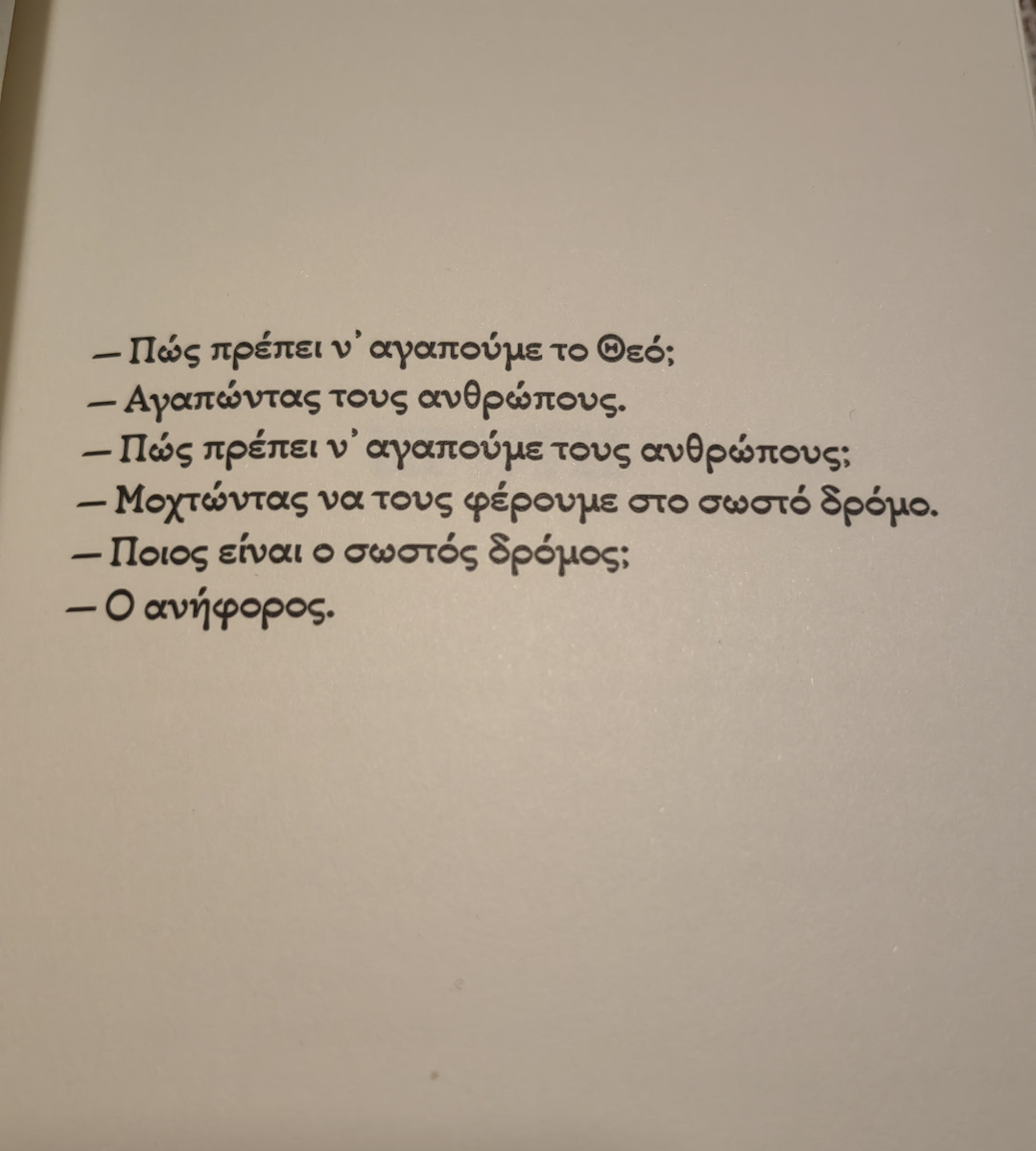
We were born slaves and we fight our whole life to become free.
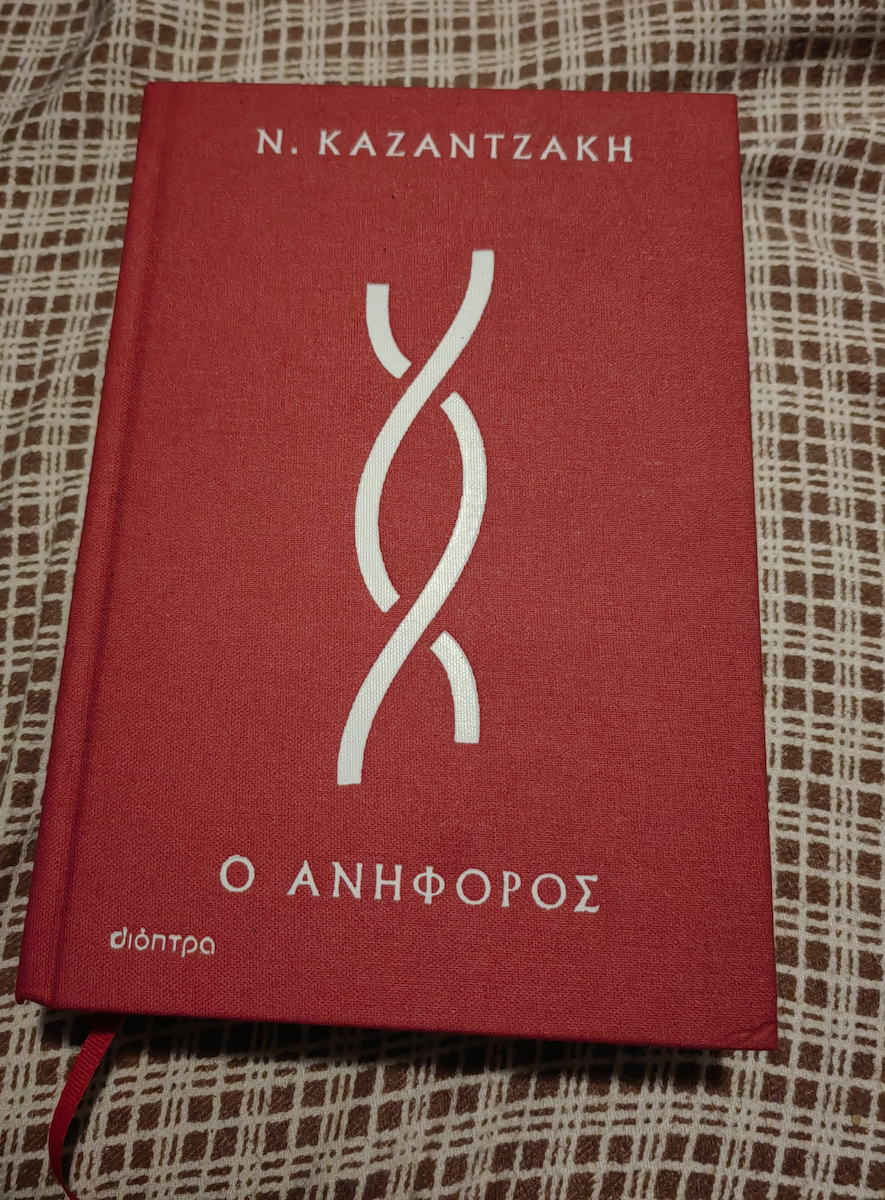
In the mid-1940s, shortly after Zorba, Kazantzakis writes "The Ascent," an internal text that is marked by deep and redemptive melancholy.
The action unfolds immediately after the war, in Crete and England. Kosmas, after a twenty-year absence and his active participation in the war, returns to his homeland, the Great Castle, along with his Jewish wife, Noemi, who carries the universal memory of the Holocaust, and with her the question of the value of life.
Only a few days have passed since his father's death, and Crete counts its wounds, reviving personal stories of courage and pain.
The man who emerges from World War II is a man who cannot reflect, a man who has not been saved, who is in danger, and Kosmas moves to post-war England to save him. The personal cost of his choice is immense.
But this is the duty, this is the ascent that we all must traverse. "I do not care about death," he reflected, "I care about decay; that degrades a man. I must conquer that..."
The state of his childhood and youth had aged, it was being ground down too, it was beginning to become dust and scatter in the wind. Another state could be built above it, but it would not be his; the roads would fill again with youth, but it would not be his youth... "Beloved Castle," he murmured, looking at it tenderly, "we have aged..."