

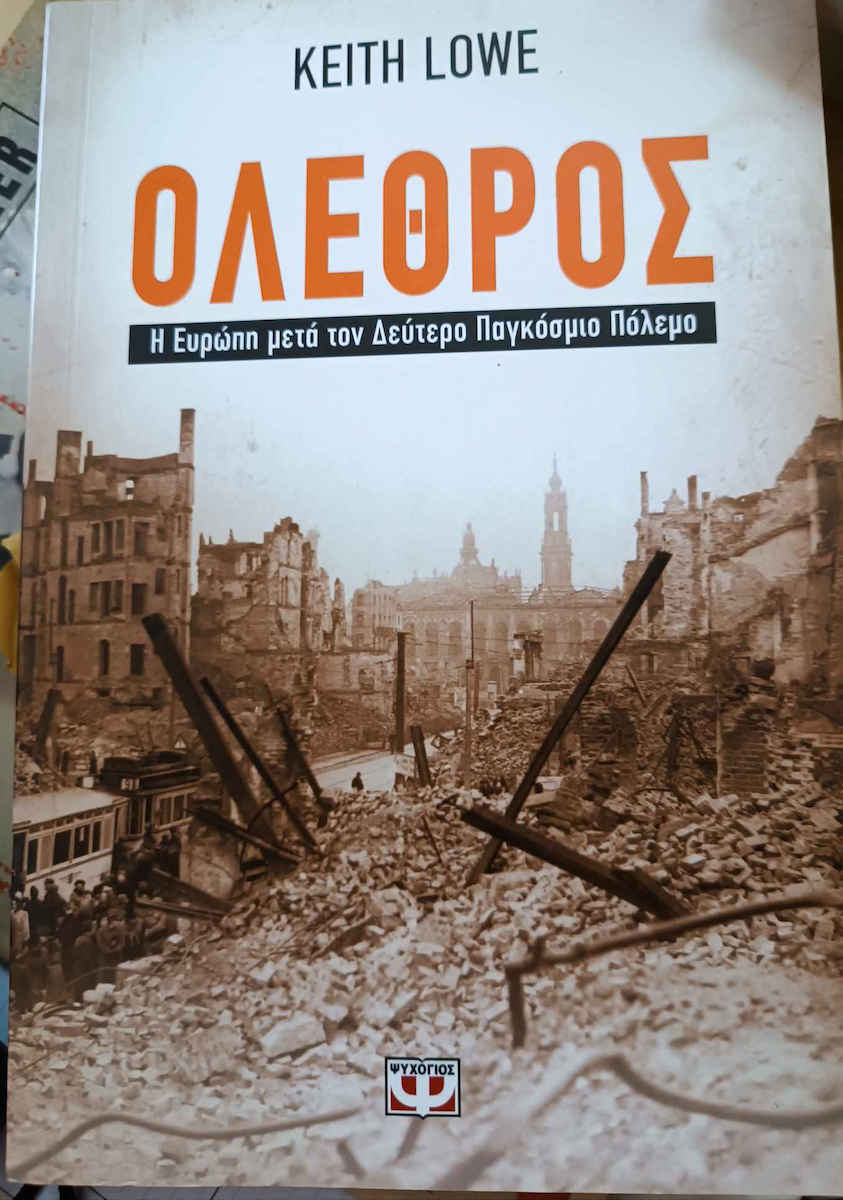


In 1943, the travel book publisher Karl Bendecker published a guide to the General Government – that part of central and southern Poland that remained officially separate from the Reich. As was common with all publications in Germany at that time, it dealt both with spreading propaganda and providing readers with information. The section on Warsaw was a typical example. The book enthusiastically described the German origins of the city, its German character, and how it had become one of the great capitals of the world "primarily through the efforts of the Germans." It encouraged tourists to visit the medieval Royal Castle, the 14th-century cathedral, and the beautiful Jesuit Church of the late Renaissance – all products of German culture and influence. Of particular interest was the late Baroque palace complex around Plac Pilsudski – "the most beautiful square in Warsaw" – which had now been renamed Adolf Hitler Square. The centerpiece was the "Saxon" Palace, naturally built by a German, and its beautiful Saxon Gardens, also designed by German architects.
No mention was made of the western suburbs of the city, which had been turned into a ghetto for Jews. This was perhaps due to the fact that at the time the book was published, a rebellion broke out there, forcing SS Major Jürgen Stroep to set fire to almost every house in the area. Approximately four square kilometers of the city were completely destroyed in this way. The following year, a second uprising broke out throughout the rest of the city. This time, it was a broader revolt inspired by the Polish Home Army. In August 1944, groups of Polish men, women, and teenagers began ambushing German soldiers and stealing their weapons and ammunition. For the next two months, they fortified themselves inside and around the Old Town, holding more than 17,000 German soldiers and anti-partisan forces.