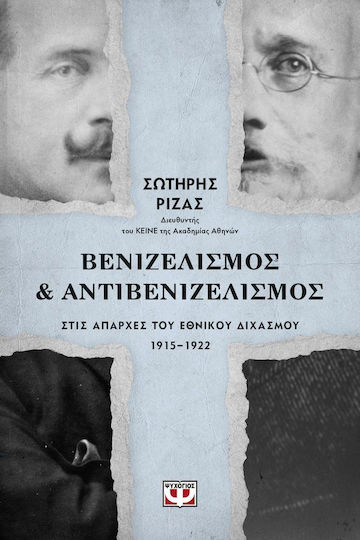


The purpose of this book is to return to the origins of the National Schism and to highlight the political and ideological imprint of the two factions. The depth and intensity of the national divide were due to internal unresolved issues inherited from the military movement of 1909, but mainly to geopolitical pressures that the Greek political class failed to manage. The social and regional dimensions of the National Schism were not predetermined. The schism was not due to structural constraints of class or other nature but to the course and dynamics of events from 1915 to 1918. The consolidation of the schism from 1922 onwards, and its intertwining with specific social groups and regions, such as Old Greece and the New Lands, the natives and the refugees, was due to the mismanagement of the Asia Minor Catastrophe, namely the execution of the Six, and the continuous military interventions. These were connected to the Schism and perpetuated it. They indicated the lack of agreement on the rules of the game and the existence of vested interests in continuing the schism and the vicious cycle of revenge and retaliation.
In this way, the natural differentiation between a conservative and a liberal reformist faction, which is found in many European countries, evolved into a twenty-year dispute without constitutional and political limits. In a concise and comprehensive manner, Sotiris Rizas describes an era that marked the history of Greece and had consequences that were felt for decades.