I intended to buy the Adata XPG SX8200 2TB until I learned that the manufacturer changed to inferior materials. So, I took a risk with the Silicon Power P34A80 2TB. "Took a risk" because I didn't find many reviews and the Silicon Power website didn't mention endurance in TBW (not even on the box I received).
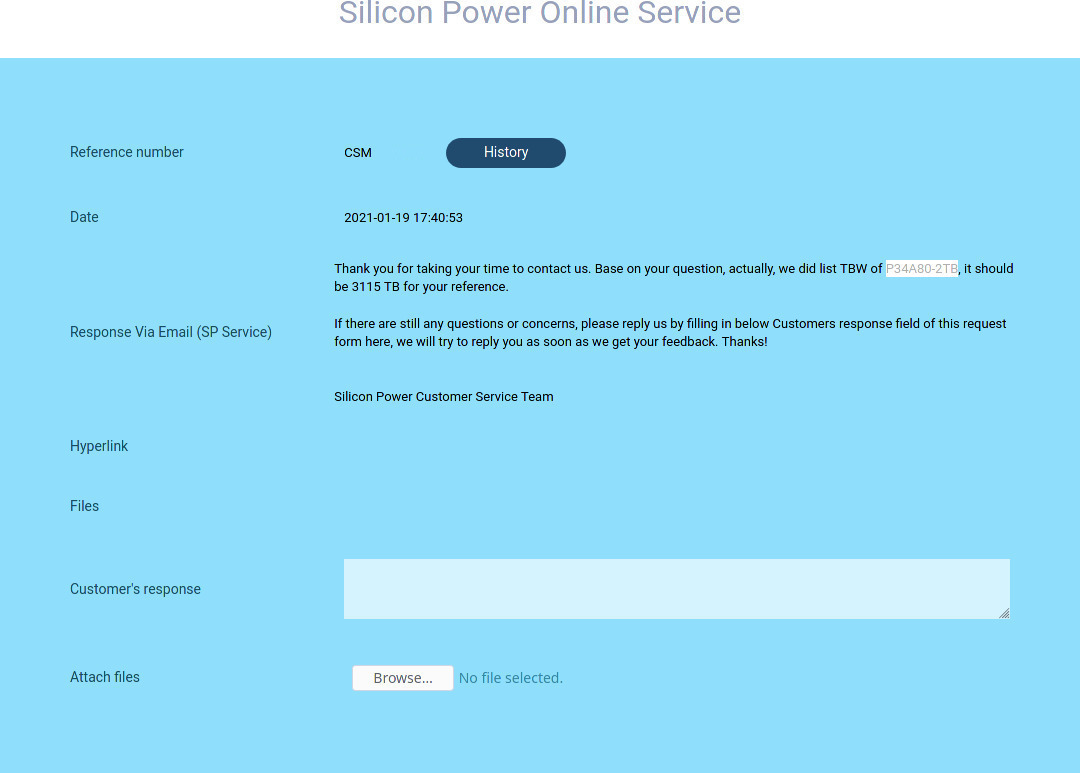
- Yes, but the manufacturer says the warranty is valid for so many years or until it reaches the write limit, which is not specified anywhere!! So, I sent them an email and they replied with ~3PBW (3115 terabytes, the blue image*). Obviously, I shouldn't have had to contact the company for something so basic, so that's the first negative.
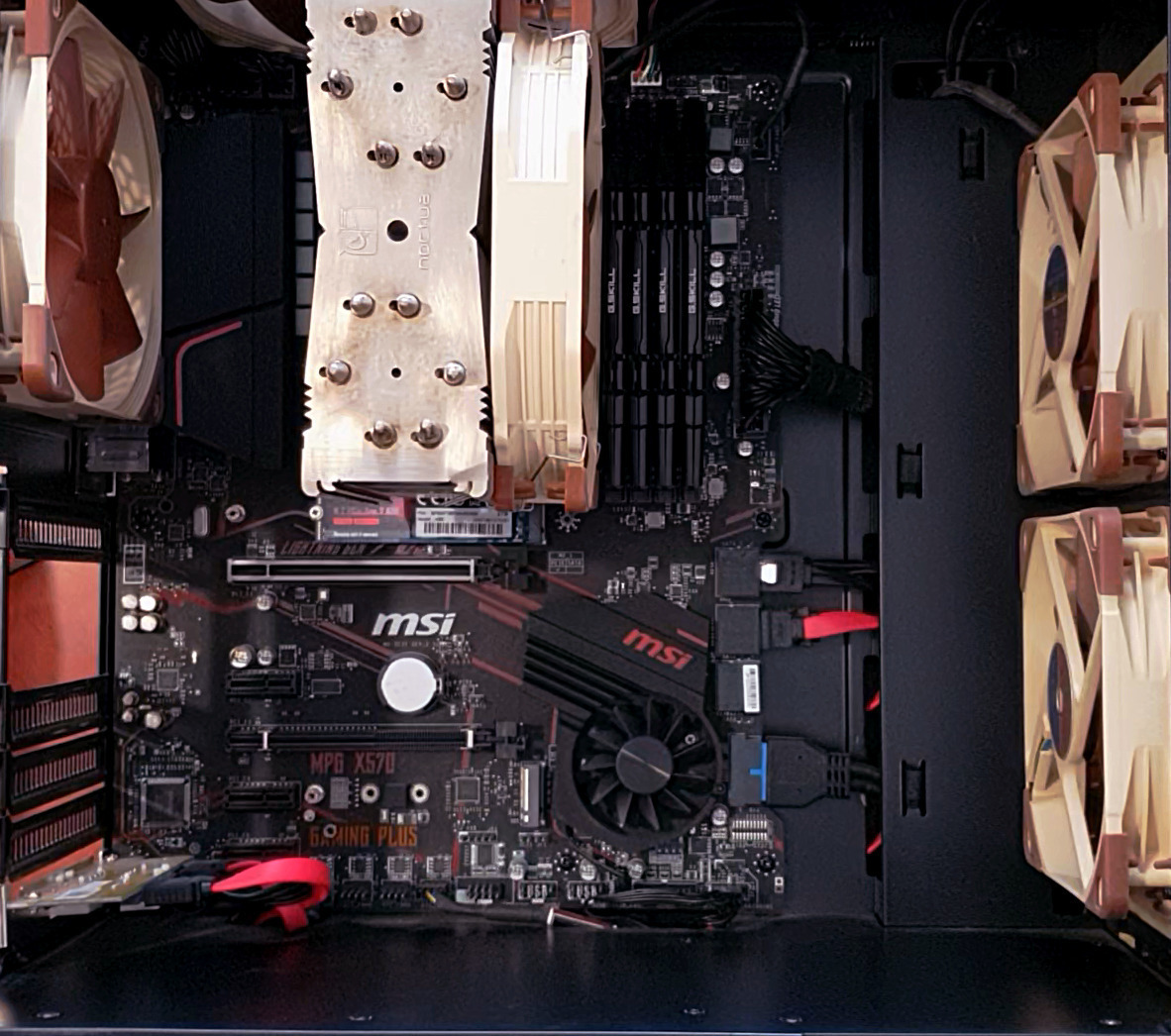
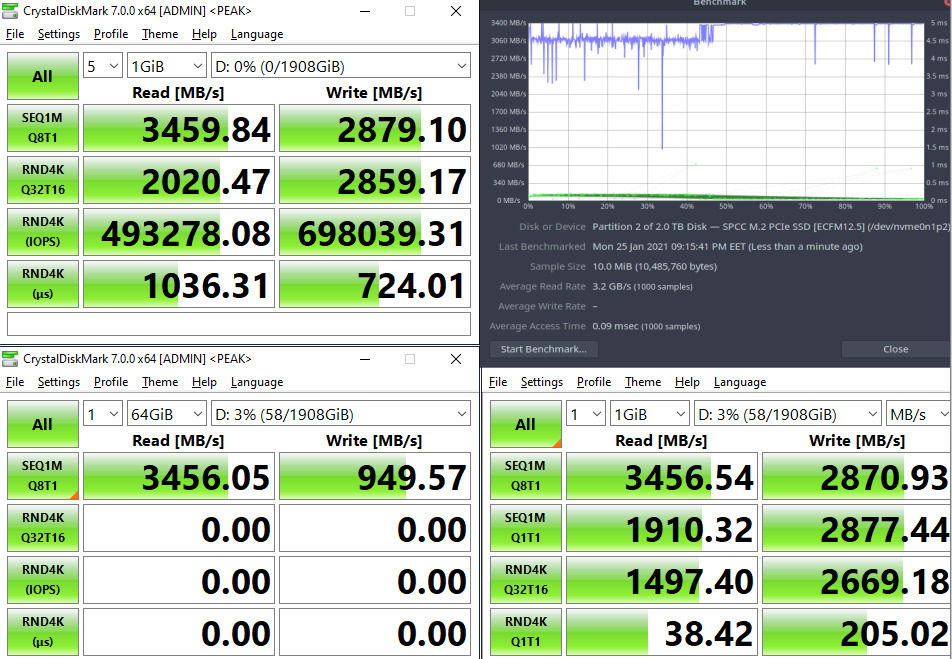
+ Approximately 3.4GB/s read and 2.8GB/s write. Yes, the write speed is slightly worse than the promised 3GB/s, but it's not noticeable in everyday use. It should be noted that I tested it on a system with an R9 3900X and X570 motherboard, with the SSD connected to the CPU's PCIe and not the chipset's. If you have an older processor or if you have them connected to the chipset's PCIe lanes, you may have worse performance. The second point is somewhat technical to further analyze. Read more here for more information: [link]
- What is noticeable is that the speed drops to about 1GB/s when writing large files (in the image* I tested with 64GB), for comparison the WD SN550 1TB drops to 400MB/s in the same test.
+ The access time is almost twice as good as the WD SN550 1TB that I have, which is very positive.
+ It achieves the claimed IOPS.
+ TLC instead of QLC **
- It needs a heatsink. After 70C, it reduces the read/write speed to prevent overheating. With a heatsink, it reached 64C in a stress test (ambient temperature 20C and high airflow case).
+ In Linux, where I use it, there were no issues. I consider this positive, although I have had an experience with a Crucial SSD that would enter and get stuck in power-saving mode, resulting in only 20MB/s write speed. Something that was never fixed by the manufacturer and I had to write an application to send the specific commands to wake it up.
+ It does not come with disk cloning software. For me, this is positive because I wouldn't use it anyway. I recommend using the GParted Live CD if you need this capability.
I highly recommend it due to its price/performance ratio.
If I encounter any issues, I will write here and update the review after using it for a few months.
*If you can't see the image clearly, try right-clicking on the image and selecting "View Image."
**QLC = 4 bits per cell. TLC = 3 bits per cell. The difference is that TLC can withstand 2 to 3 times more writes than QLC, resulting in a longer lifespan.
Είχα σκοπό να αγοράσω Adata XPG SX8200 2TB μέχρι που έμαθα ότι ο κατασκευαστής άλλαξε σε υποδεέστερα υλικά.
Οπότε το ρίσκαρα με των Silicon Power P34A80 2TB.
"Ρίσκαρα" καθώς δε βρήκα πολλά review και στο site τις silicon power δεν ανάφερε αντοχή σε ΤΒW (ούτε στο κουτί που παρέλαβα)
- Ναι, όμως ο κατασκευαστής λέει η εγγύηση ισχύει μέχρι τόσα χρόνια ή μέχρι να φτάσει το όριο εγγράφων το όπιο όμως δεν ορίζει πουθενά!!
Τους έστειλα λοιπόν ένα e-mail στο όπιο μου απάντησαν ~3PBW (3115 terabytes, η μπλε εικόνα*)
Προφανώς και δεν θα έπρεπε να επικοινωνήσω με την εταιρία για κάτι τόσο βασικό οπότε το πρώτο αρνητικό.
+ Περίπου 3.4GB/s ανάγνωση και 2.8GB/s εγράφη.
Ναι η εγράφη είναι λίγο χειρότερη από τα 3GB/s που υπόσχεται άλλα δεν είναι αντιληπτή στην καθημερινότητα.
Να σημειωθεί οτι δοκίμασα σε σύστημα με R9 3900X και X570 μητρική με των ssd συνδεμένο στα pcie του επεξεργαστή και οχι του chipset. Αν έχετε πιο παλιό επεξεργαστή ή αν των έχετε σύνδεση στα pcie lane του chipset μπορεί να έχετε χειρότερες επιδόσεις. Το δεύτερο είναι κάπως τεχνικό για να το αναλύσω περαιτέρω. Διαβάστε εδώ για παραπάνω πληροφορίες: https://www.techspot.com/review/1646-storage-performance-intel-z370-vs-amd-x470/
- Αυτό που είναι αντιληπτό είναι ότι η ταχύτητα πέφτει περίπου στο 1GB/s αν γράφετε μεγάλα αρχεία (στην εικόνα* έκανα test με 64GB) για σύγκριση ο wd sn550 1TB στο ίδιο τεστ πέφτει στα 400mb/s
+ Το Access time είναι σχεδόν 2 φορές καλύτερο από τον wd sn550 1TB που έχω, πολύ θετικό.
+ Τα iops που ισχυρίζεται τα πιάνει.
+ TLC αντί για QLC **
- Χρειάζεται ψήκτρα. Μέτα τους 70C ρίχνει το read/write για να μην υπερθερμανθεί. Με ψήκτρα σε stress test έπιασε 64C (περιβάλλων 20C και high airflow case)
+ Σε linux που των χρησιμοποιώ δεν είχε κάποιο θέμα.
Το θεωρώ θετικό και όχι δεδομένο καθώς μου έχει τύχη με ένα crucial να μπαίνει και να κολλάει σε power saving mode και να γραφή 20 ΜΒ/s. Κάτι που δεν διορθωτικέ ποτέ από τον κατασκευαστή και χρειάστηκε να γράψω εφαρμογή να στέλνει τις ιδικές εντολές για να ξυπνάει.
+ Δεν έρχεται με λογισμικό για clone disk. Για εμένα είναι θετικό γιατί θα πλήρωνα κάτι που δε θα χρησιμοποιούσα. Προτείνω το gparted live cd αν χρειάζεστε αυτή τη δυνατότητα.
Των συστήνω και αξιόλογο ψηλά λόγο τιμής/απόδοσης.
Αν εντοπίσω κάποιο πρόβλημα θα γράψω εδω και σε μερικούς μήνες θα ανανεώσω το review για το πώς συμπεριφέρεται μετά από χρήση.
*αν δεν μπορείτε να δείτε την εικόνα καθαρά δοκιμάστε να κάνετε (δεξί κλικ στην εικόνα) -> (προβολή εικόνας)
**qlc = 4bit ανά κελί. tlc = 3bit ανα κελί. Η διάφορα του είναι οτι η tlc αντέχουν 2 και 3 παραπάνω έγραφες από τους qlc και συνεπώς έχουν μεγαλύτερη διάρκεια ζωής.