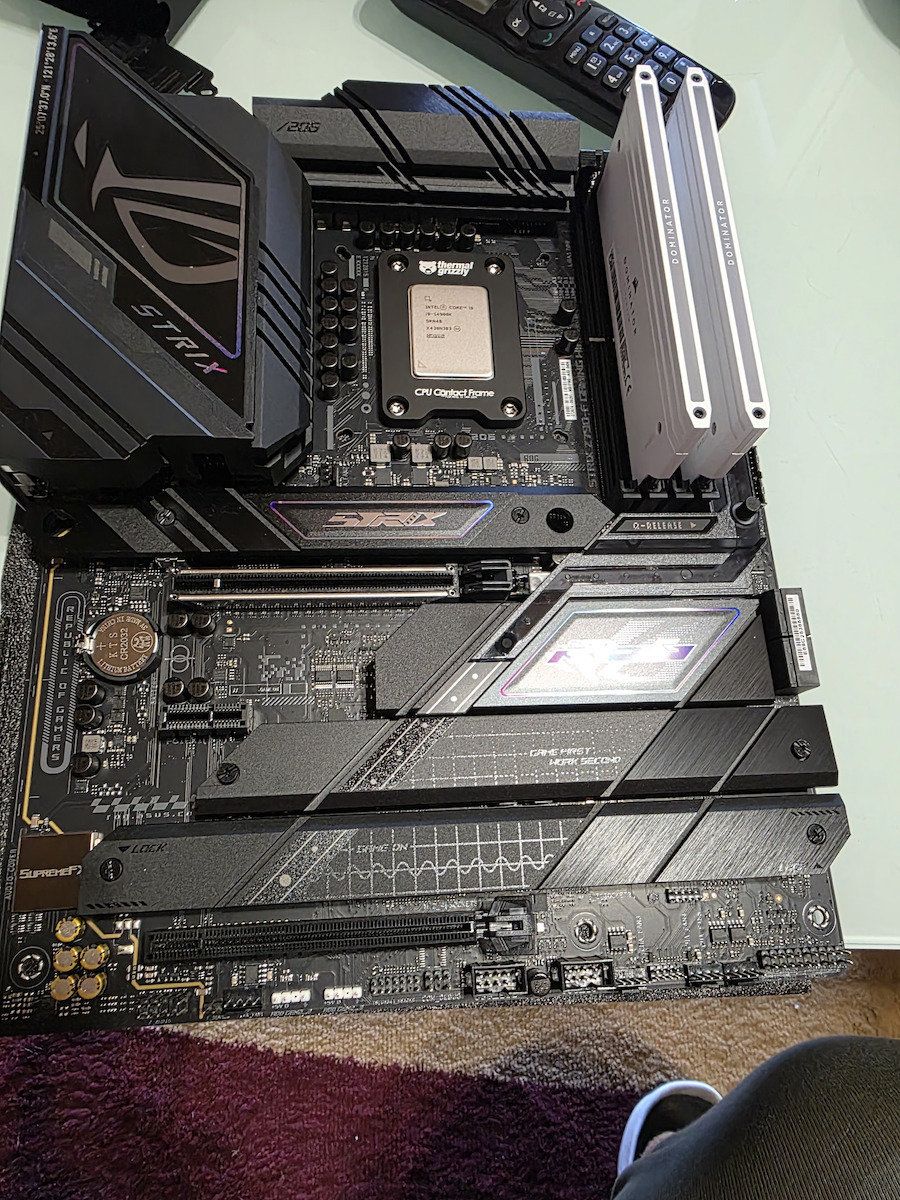
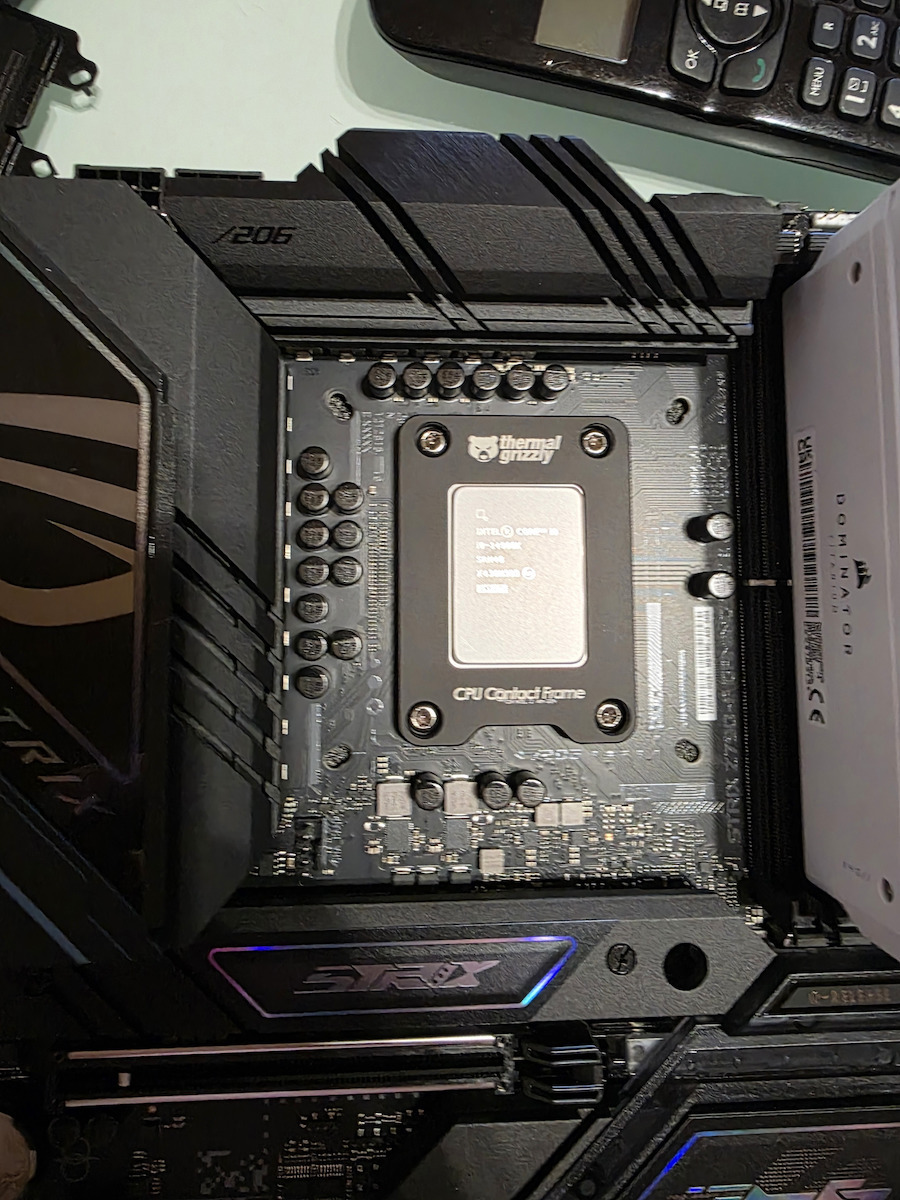
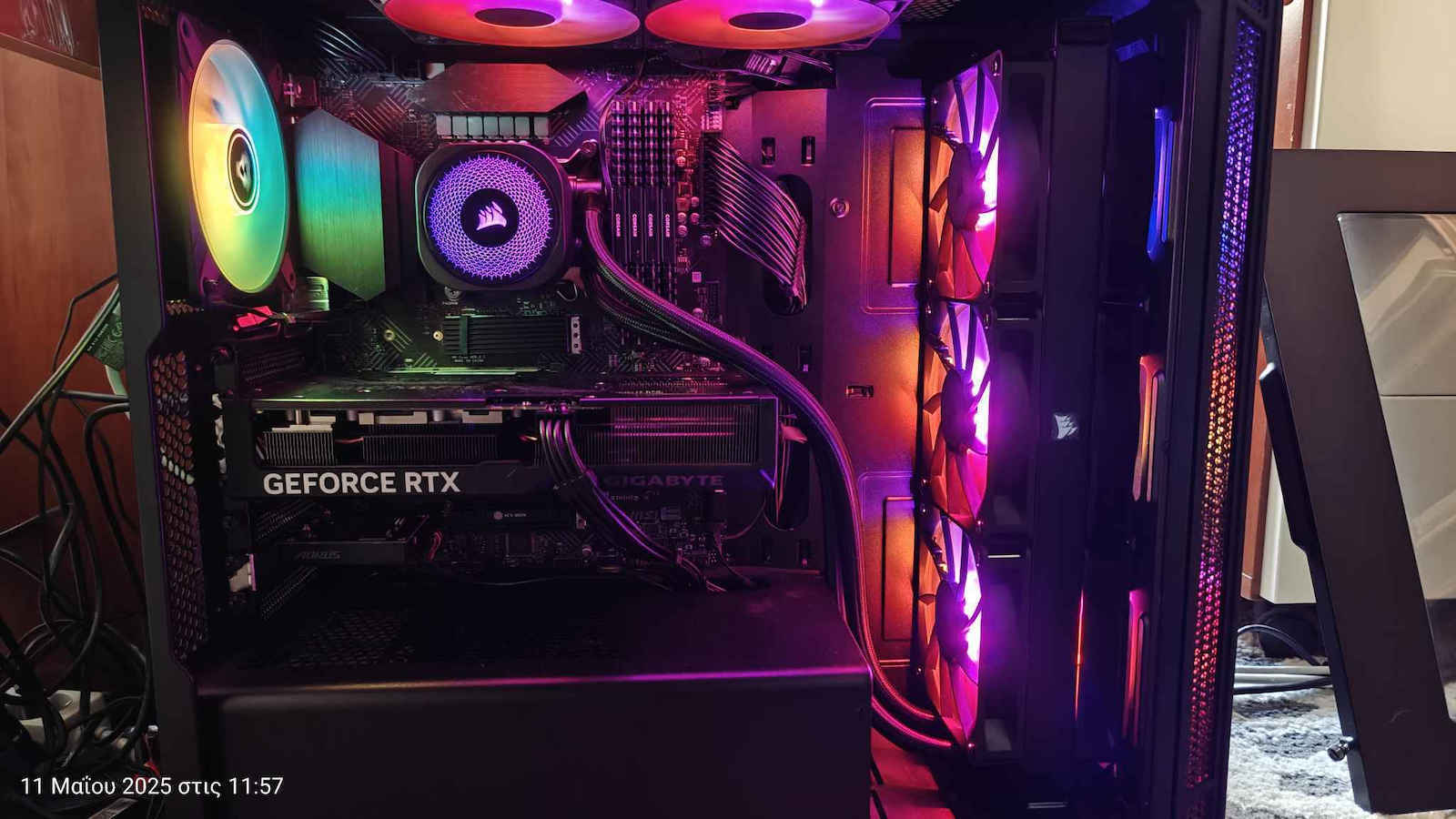
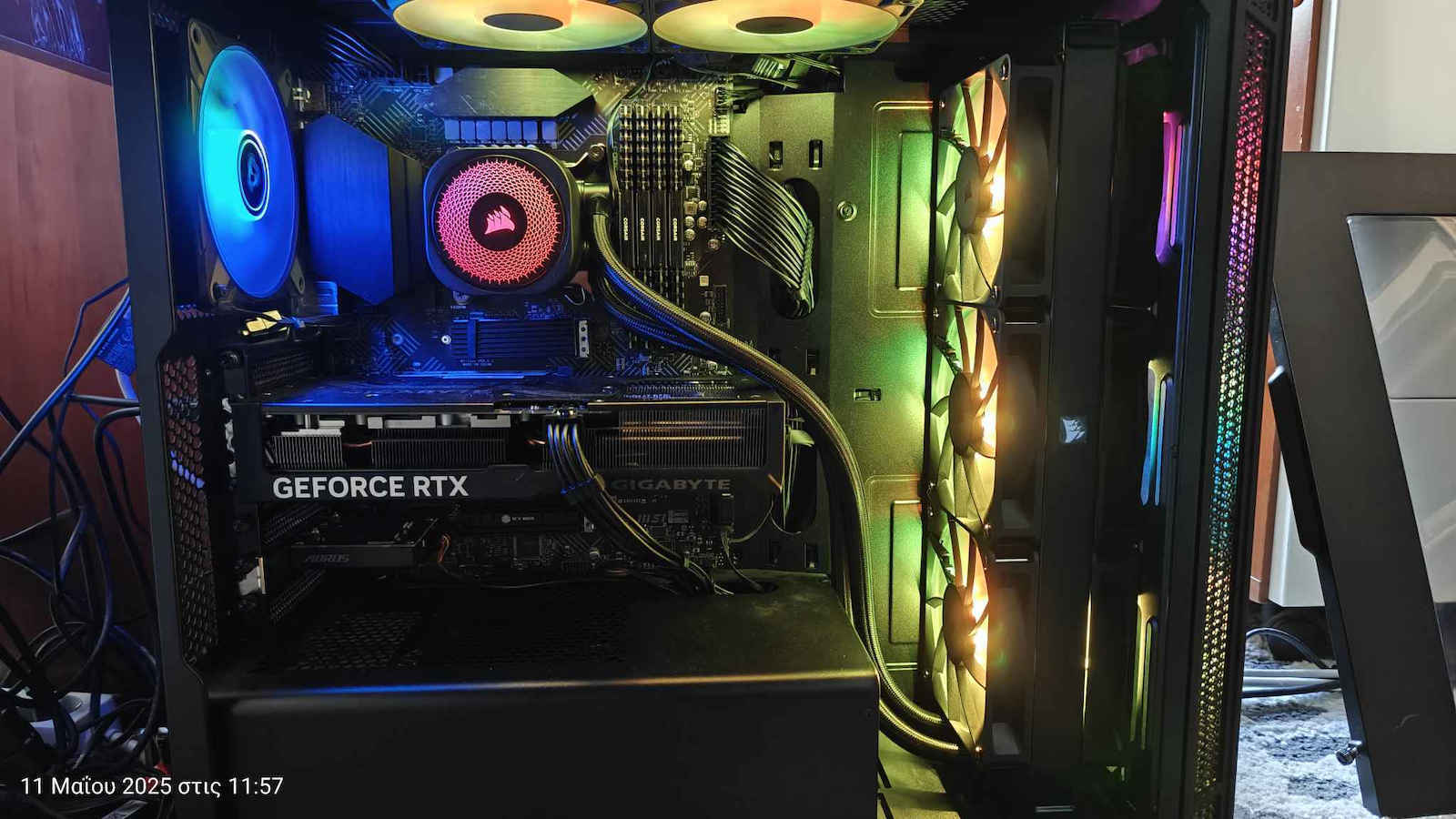
Check out the latest videos from buildzoid (Actually Hardcore Overclocking) is the name of his channel, and he explains what the problem is, how to address it, and how to avoid making it drag after changes. (If you have issues with stock settings, then the chip has reached a bad state and it would be good to replace it (RMA). In other words, for the specific frequency, the voltage it receives is no longer sufficient. (electromigration / oxide breakdown)
FYI
*The chip until now had excessive VID request and often reached or even exceeded 1.6Vcore (oscilloscope measurements). With the latest BIOS updates, this has decreased, but the chips that until now worked as workstations or server hosts have suffered damage to the point of being completely non-functional (sources: YT/reddit etc). The temperature is the cherry on top because the SVID behavior it had until now required you to run the chip below 30°C to avoid reaching such a state, so don’t blame your cooler for the fact that Intel's TVB wasn’t working and allowed the chip to go above 70°C with the same boost table. Obviously, Intel does not test its chips, or as far as I understand, you must have a very bad cooler for the VID table not to be able to go to such (high voltages/frequencies) due to thermal throttle and to be permanently at high temperatures but at lower voltages/frequencies which obviously does not destroy the silicon at such a rapid rate. The degradation due to oxidation in early 13th gen is purely a manufacturing problem and should have resulted in a recall. (I do not know the details)
The electromigration that occurs (i.e., for a specific frequency, it now requires more Vcore or can no longer achieve the desired frequency) is purely an Intel issue that did not set proper terms/limits, and the chips operated at high voltages and consequently high temperatures as well. If I were in the position of someone with such a problem, I would request a replacement with the same or even better if there is no availability. *In no case should it be lower due to stock shortages and such other excuses. If you have an ASUS motherboard, you can check the SP of your CPU and see how good the silicon is (it was). The larger the number, the better. Above SP100 is considered a good chip, and it is unfair to give you a lower one that will require more voltage for each frequency step. (14900KS is ~ or above SP110 according to reddit posts) *To understand the difference in SP, I had a 10900KF SP66 and after 6 months I got another 10900KF SP92 that was also cheaper, and they had a 300MHz difference in max frequency. (manual all-core overclocking) At 1.4V (the limit I consider maximum for ambient temperatures), the SP66 barely reached 5.1GHz all-core, while the SP92 reached 5.4GHz all-core with the same voltage and load line calibration (-150mV droop in Linpack Extreme). *Same power consumption in wattage since they were at the same voltage.
I have no inclination to choose Intel anymore. (The only reason was the overclocking headroom they once had, and I enjoyed working with it; now they have it set by default at the limits or even above, as it seems with the 13th/14th gen, and you can’t improve anything)
They also no longer provide any reliability and are not future-proof *which they never were to tell the truth. Along with changing the processor, you had to change the entire platform every time. (another motherboard that is)
And I really don't see the reason not to go with AMD, which has a huge difference in efficiency (I don't see us having the cheapest electricity either) and upgradability, as they are still releasing new CPUs for AM4 that started how many years ago.
Δείτε τα τελευταία βίντεο του buildzoid ( Actually Hardcore Overclocking ) λέγεται το κανάλι του και εξηγεί τι πρόβλημα υπάρχει, πως να το αντιμετωπίσεις και πως να μην τον κάνεις να σέρνεται μετα απο τις αλλαγές. (Εάν έχεις προβλήματα με stock settings τότε το chip εχει φτάσει σε άσχημη κατάσταση και καλο θα ήταν να αντικατασταθεί (rma). δλδ για το συγκεκριμένο frequency δε του φτάνει πλέον το voltage που δέχεται.(electromigration / oxide breakdown)
fyi
*το chip μέχρι τώρα είχε υπερβολικό vid request και πολλές φορές έφτανε ή και ξεπερνούσε τα 1.6vcore (oscilloscope measurements) . με τα τελευταία bios updates αυτο μειώθηκε αλλά τα chip που μεχρι τώρα δούλευαν σαν workstations ή σαν server host έχουν υποστεί ζημιές εως και εντελώς μη λειτουργικότητας
(πήγες yt/reddit etc)
Η θερμοκρασία ειναι το κερασάκι στην τούρτα διότι το svid behaviour που ειχε μεχρι τωρα έπρεπε να δουλέψεις το chip κατω απο 30c για να μην φτάσει σε τέτοια κατάσταση, οπότε μην κατηγορείται το cooler σας που το tvb της Intel δεν δούλευε και άφηνε το chip να πηγαίνει πανω απο 70c με το ιδιο boost table.
Προφανώς η intel δεν δοκιμάζει τα chip της ή απ' ότι καταλαβαίνω πρέπει να έχεις ενα πολύ κακό cooler ώστε το vid table να μη μπορεί λόγο θερμοκρασίας να πάει σε τέτοια (υψηλά voltages/frequency) λογο thermalthrottle και να ειναι μόνιμα σε υψηλές θερμοκρασίες αλλα σε χαμηλότερα voltage/frequency που προφανώς δεν καταστρέφει το silicon σε τέτοιο γρήγορο βαθμό.
Το degradation λογο oxidation σε early 13th gen ειναι καθαρά πρόβλημα κατασκευαστικό και θα έπρεπε να είχε γίνει recall. (δε γνωρίζω λεπτομέριες)
Το electromigration που συμβαίνει (δλδ για συγκεκριμένο frequency χρειάζεται παραπάνω πλέον vcore ή και δεν μπορεί καν πλέον να καταφέρει το frequency που θέλει ) αυτό ειναι καθαρά θεμα της intel που δεν έθεσε σωστούς όρους/ όρια και τα chip δούλευαν σε υψηλά voltages και ως συνέπεια υψηλές επίσης θερμοκρασίες.
Εαν ήμουν στη θέση κάποιου με τέτοιο πρόβλημα θα ζητούσα αντικατάσταση με ιδιο ή και καλύτερο αν δεν υπάρχει διαθεσιμότητα. * σε καμία περίπτωση κατώτερο λόγο έλλειψης αποθεμάτων και τέτοιες αλλες δικαιολογίες του....
Eαν εχεις asus μητρική μπορείς να δεις το sp του cpu σου και να δεις ποσο καλο silicon ειναι (ηταν). όσο ποιό μεγάλο το νούμερο τοσο το καλύτερο.
Πάνω απο sp100 θεωρείται καλο chip και ειναι άδικο να σου δώσουν ενα κατώτερο που θα θέλει περισσότερο voltage για το κάθε frequency step. (14900ks ειναι ~ ή και πάνω απο sp110 reddit posts)
*για να καταλάβετε την διαφορά σε SP, είχα εναν 10900kf sp66 και μετα απο 6 μήνες πήρα άλλον έναν 10900kf sp92 που ηταν και ποιο φθηνός' και είχαν 300mhz διαφορά σε max frequency. (manual all core overclocking)
Στα 1.4v' (το όριο που θεωρώ μέγιστο για ambient temperatures) ο sp66 έφτανε με τα βίας στα 5.1ghz all core και το sp92 έφτανε 5.4ghz all core με το ιδιο voltage και load line calibration (-150mv droop σε linpackxtreme). *ιδια κατανάλωση σε wattage εφόσον ηταν στο ιδιο voltage.
Δεν εχω καμία τάση επιλογής Intel πλέον. (ο μόνος λόγος ηταν το overclocking headroom που ειχαν κάποτε και μου άρεσε να ασχολούμαι, τωρα τα έχουν απο default στα όρια ή και παραπάνω απ' ότι φαίνεται με 13/14th και αναγκαστικά δε μπορείς να βελτιώσεις κατι)
Ούτε και καμία αξιοπιστία παρέχουν πλέον και ούτε future proof ειναι *που δεν ήταν και ποτέ να πούμε την αλήθεια.
Μαζι με αλλαγή επεξεργαστή άλλαζες αναγκαστικά όλο το platform καθε φορά. (αλλη μητρική δλδ)
Και πραγματικά δε βλέπω το λογο να μην πας σε amd που εχει τεράστια διαφορά σε efficiency (δεν βλέπω να έχουμε και το φθηνότερο ρεύμα) και upgradability που ακόμα βγάζουν νέους cpu για am4 που ξεκίνησε πόσα χρόνια πριν.